Durabilité inégalée et rentabilité optimale
Transformez les infrastructures en béton exposées à l'eau. Réduisez les coûts. Construisez pour les générations futures.
En savoir plus


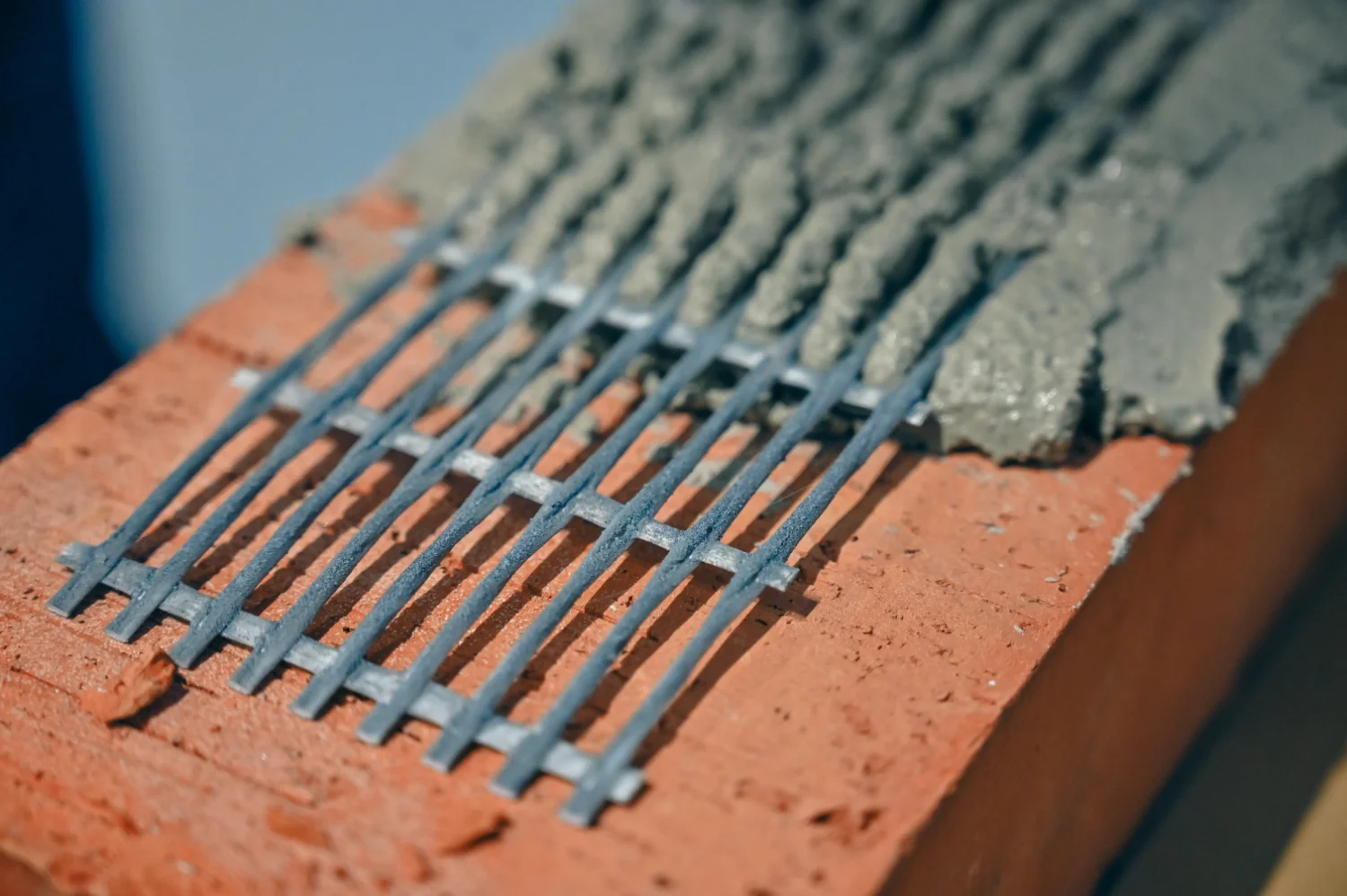
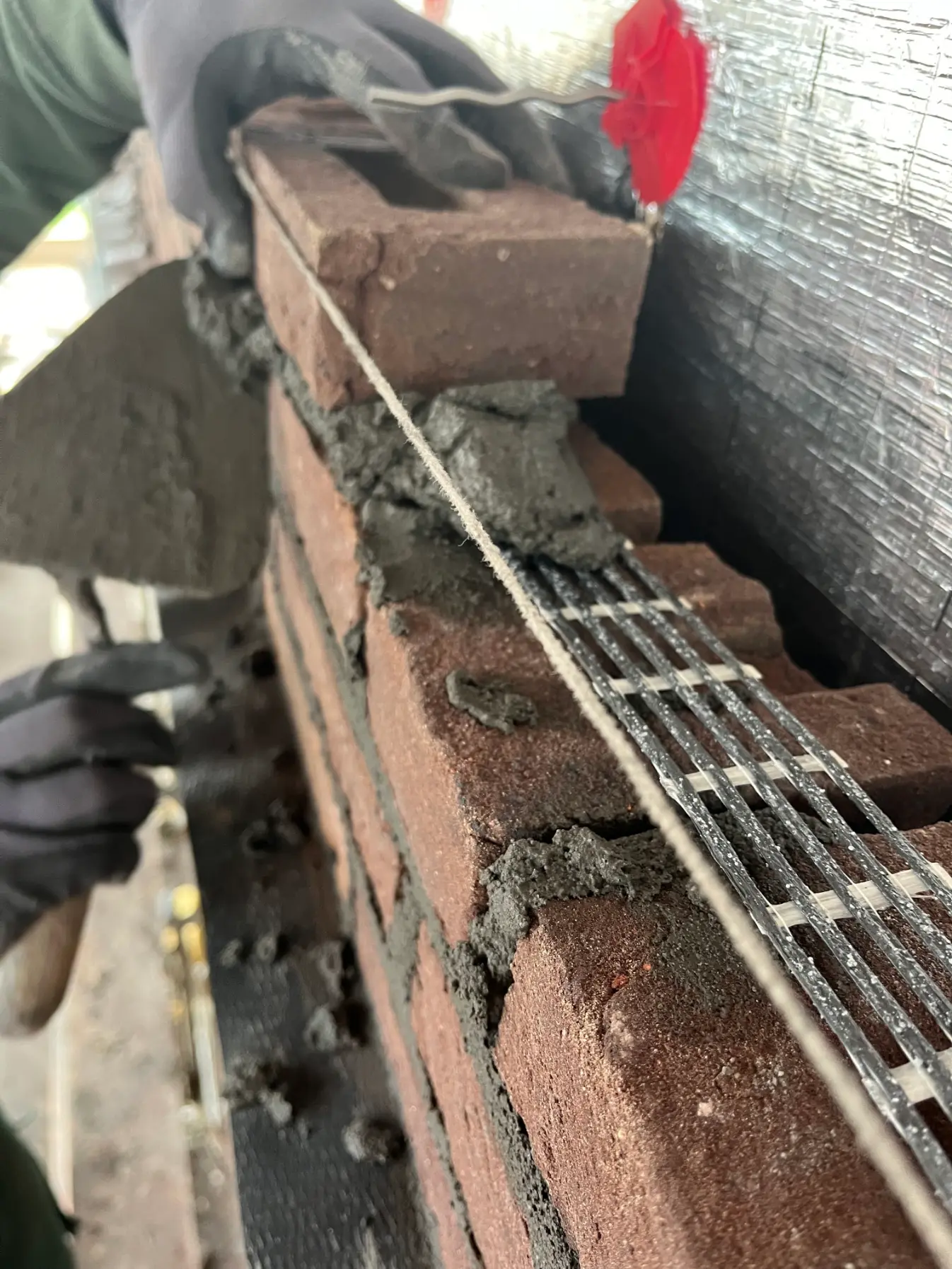
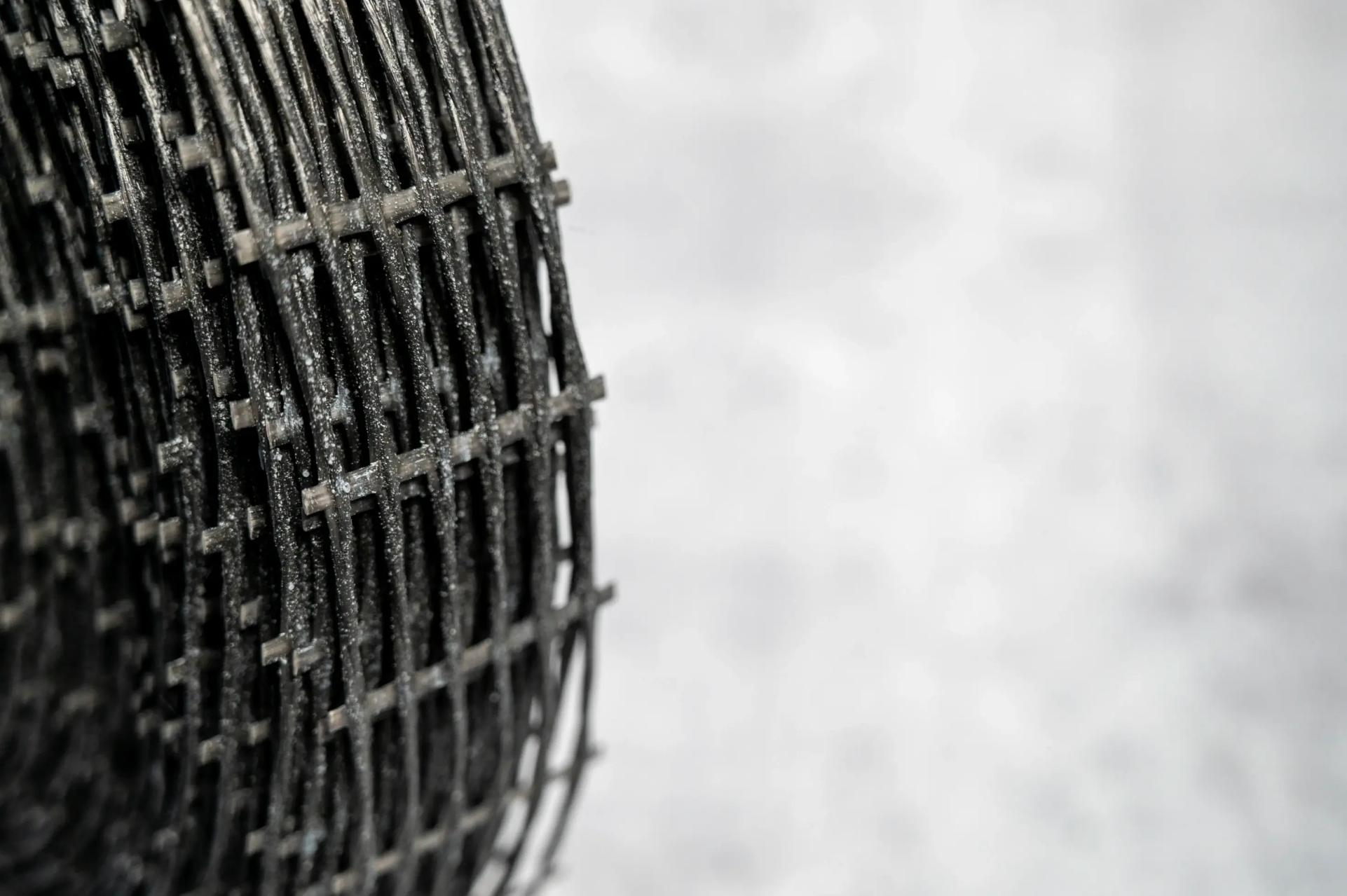
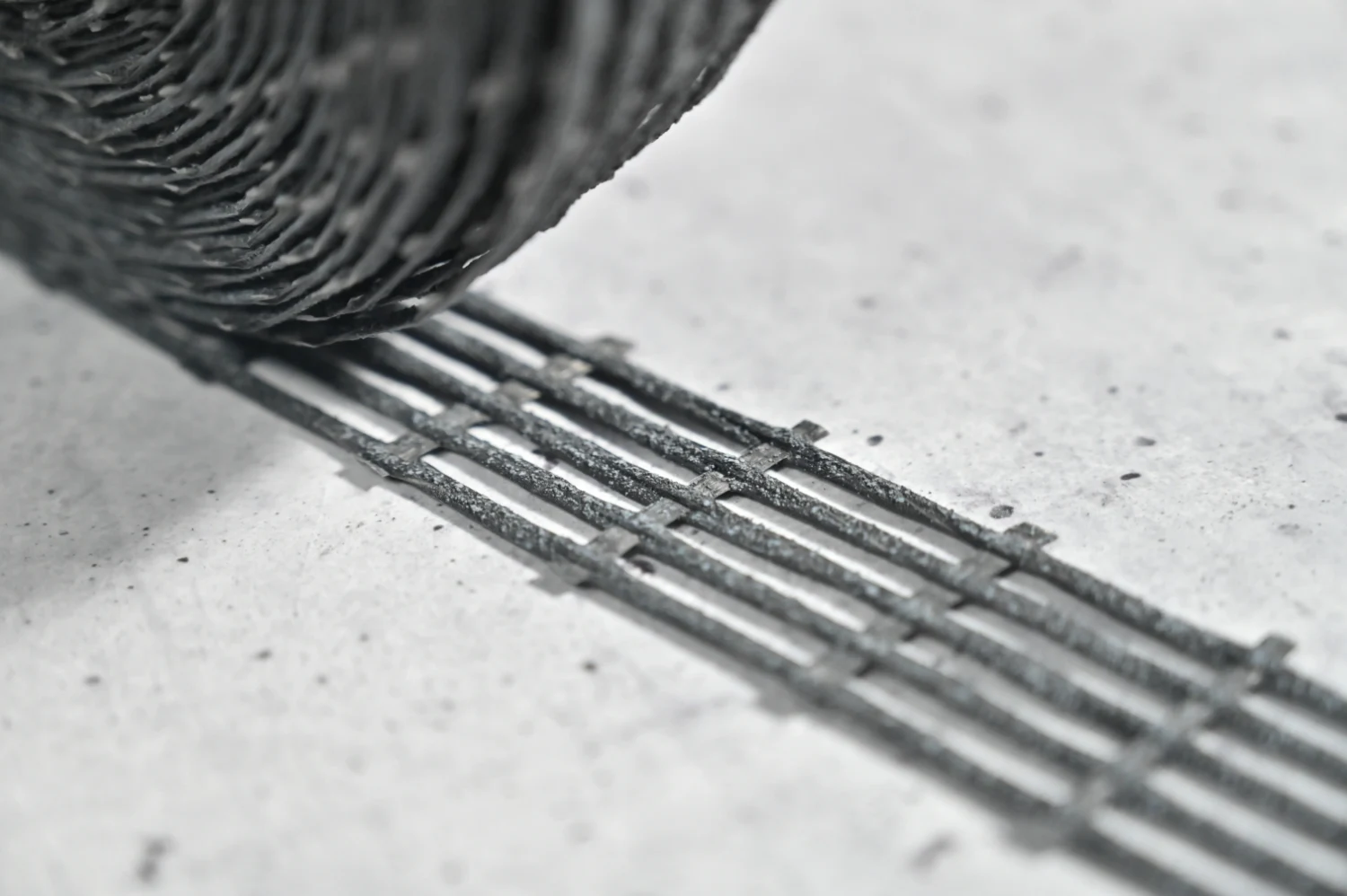
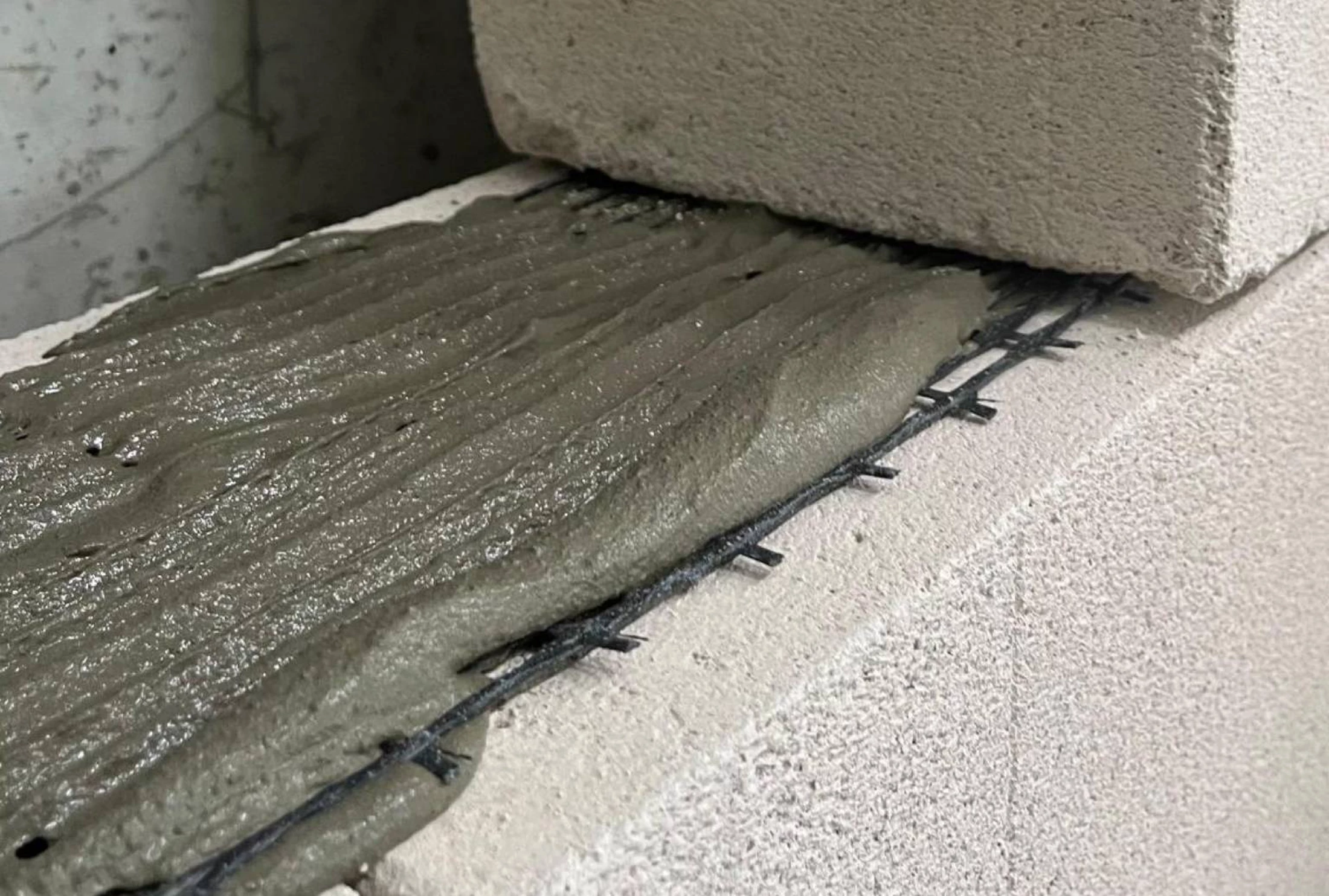
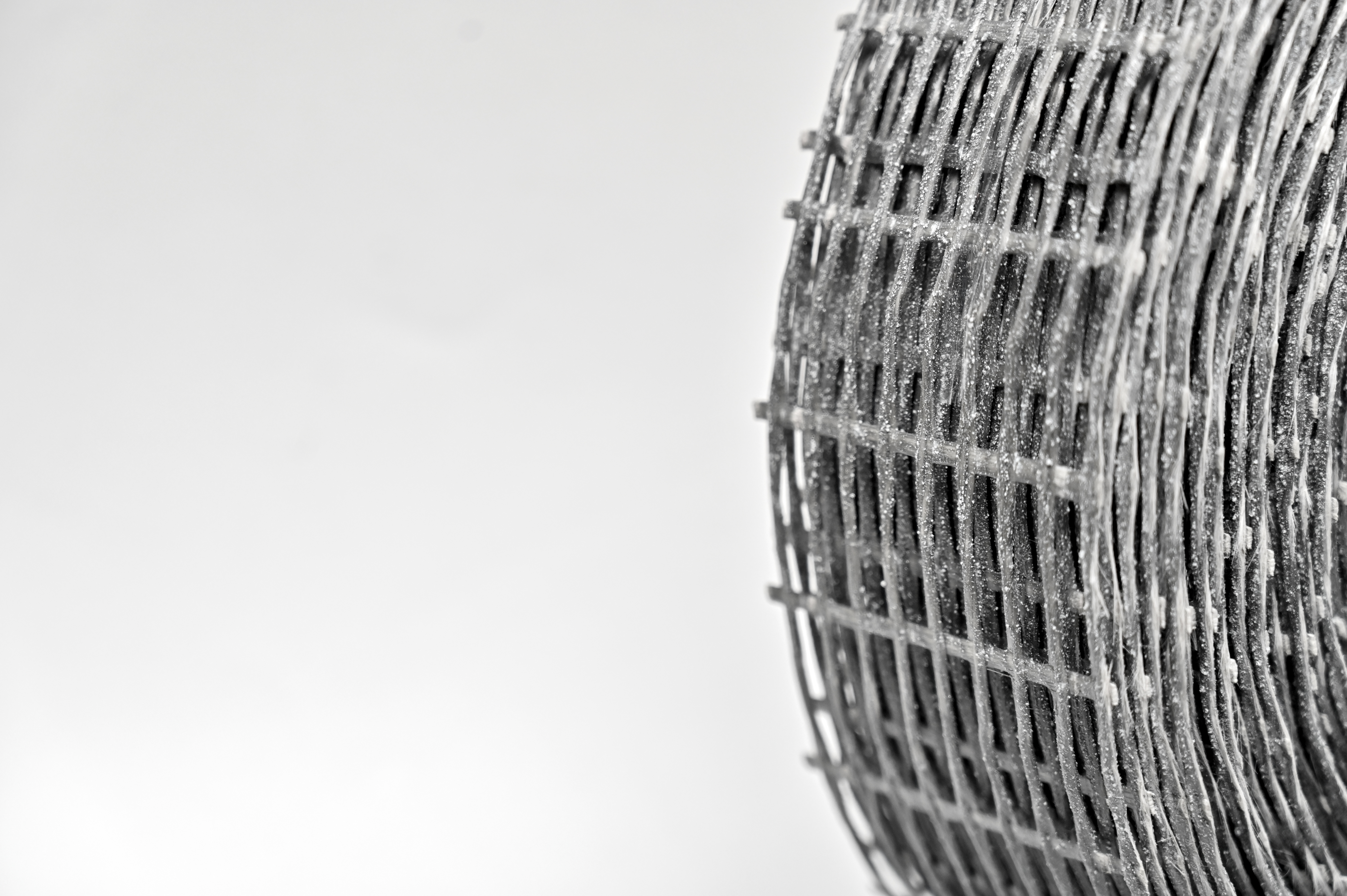
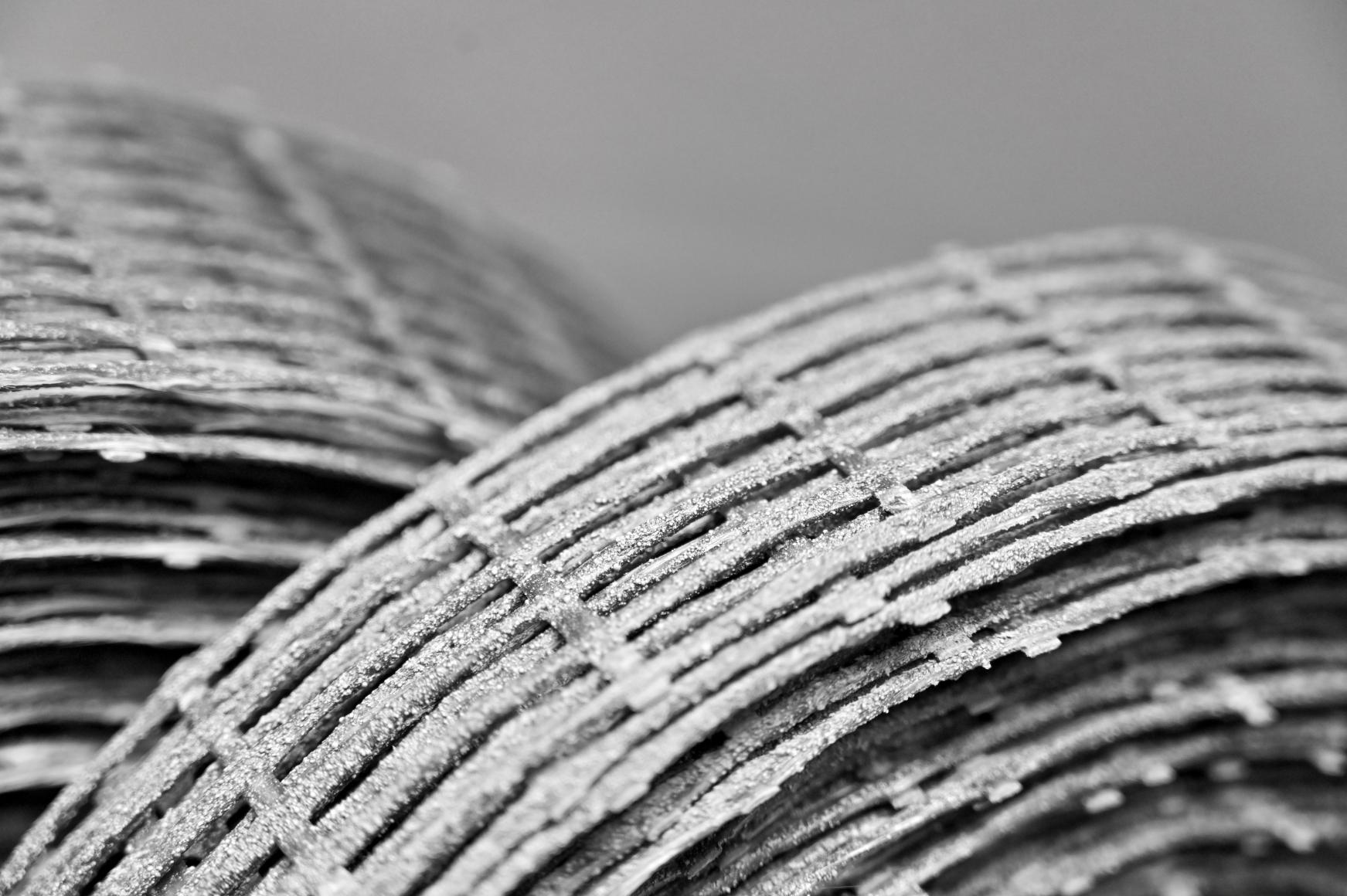
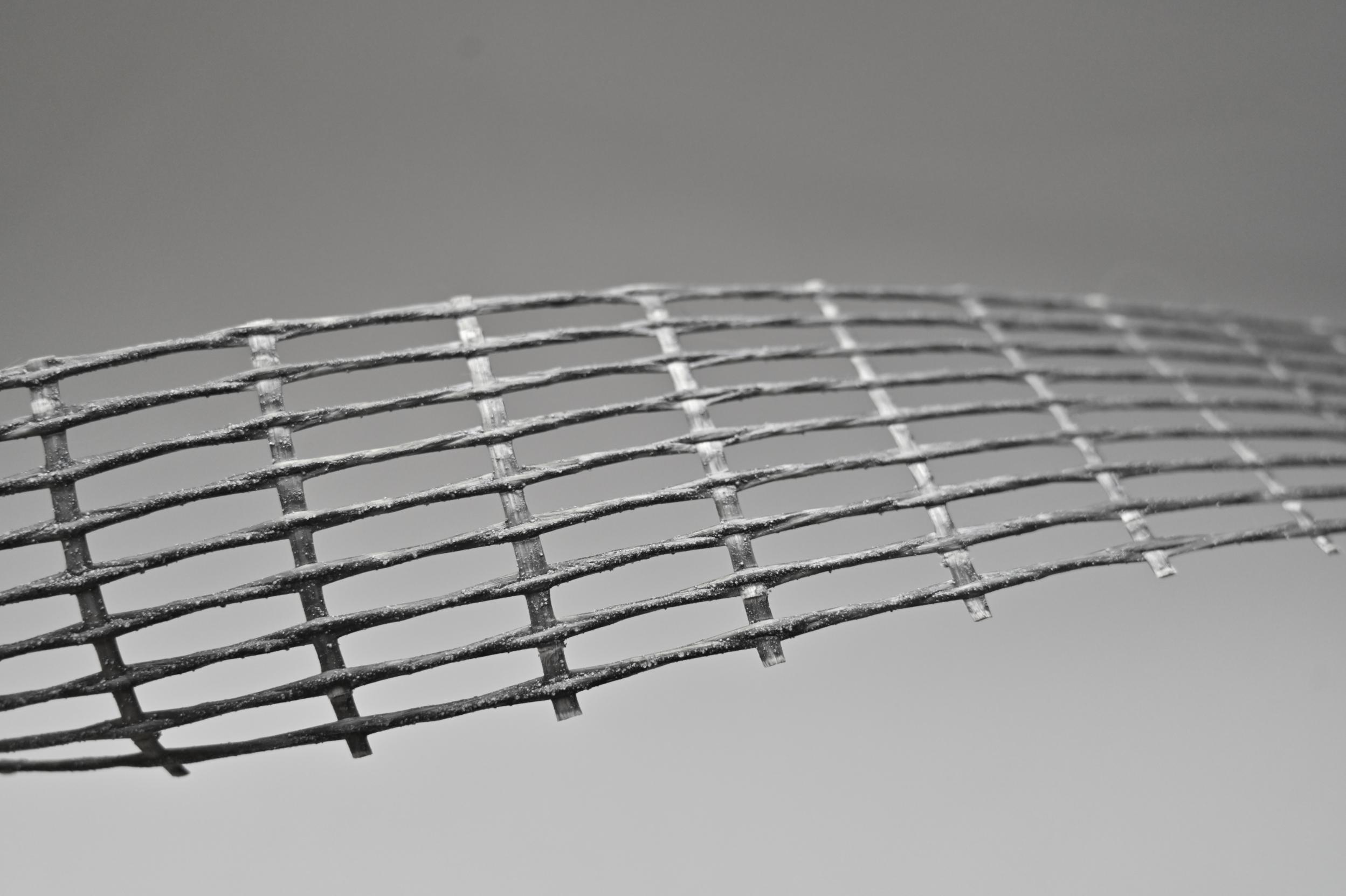
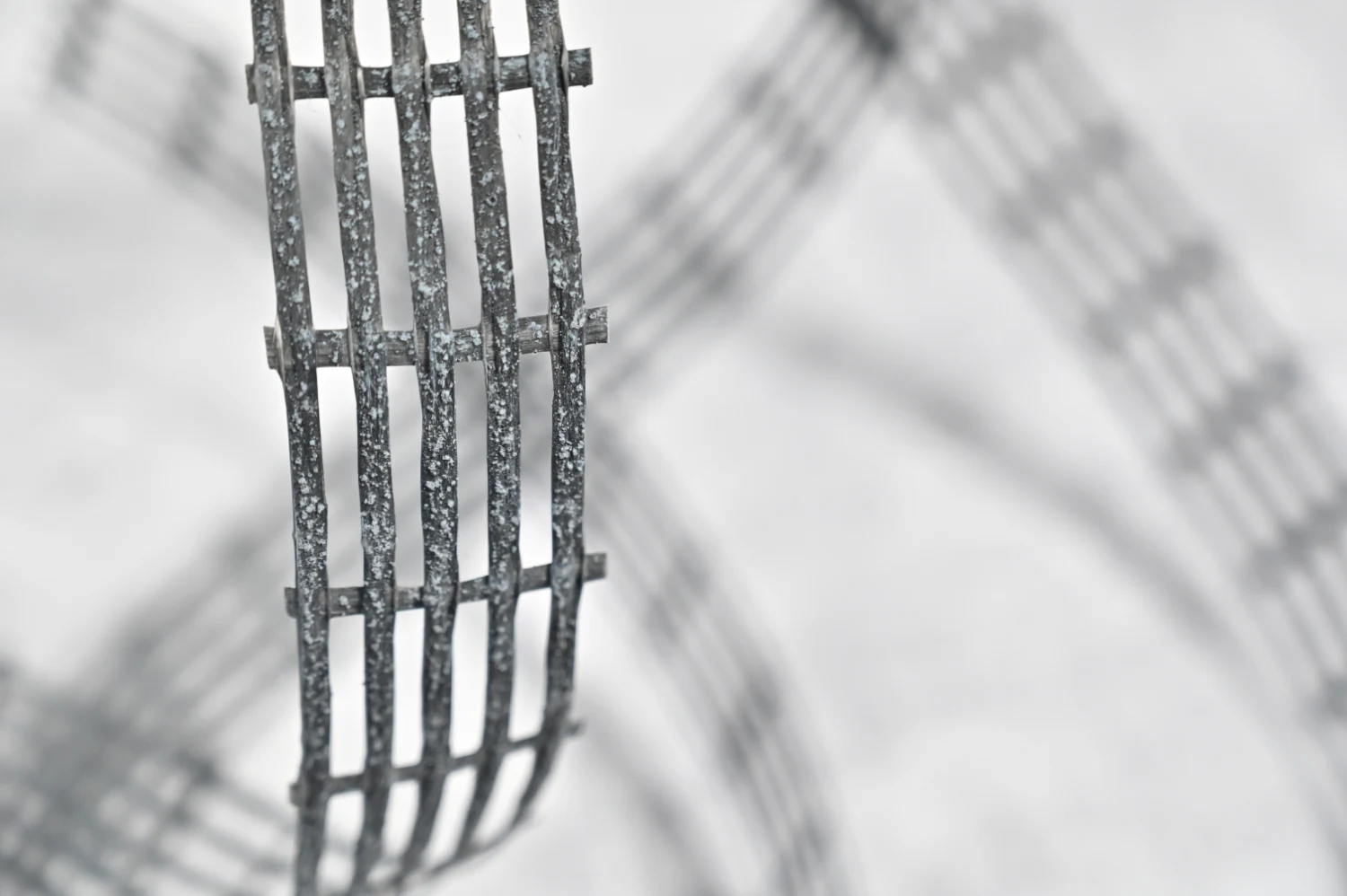
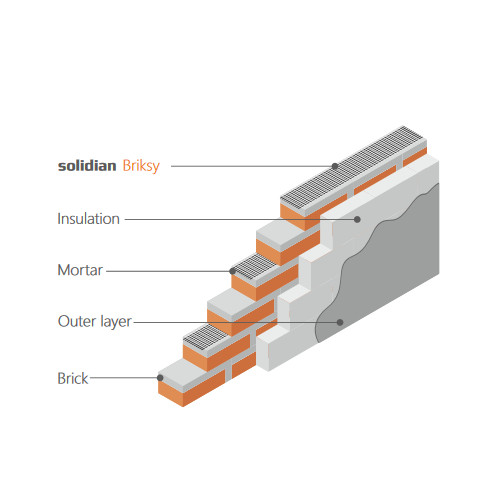
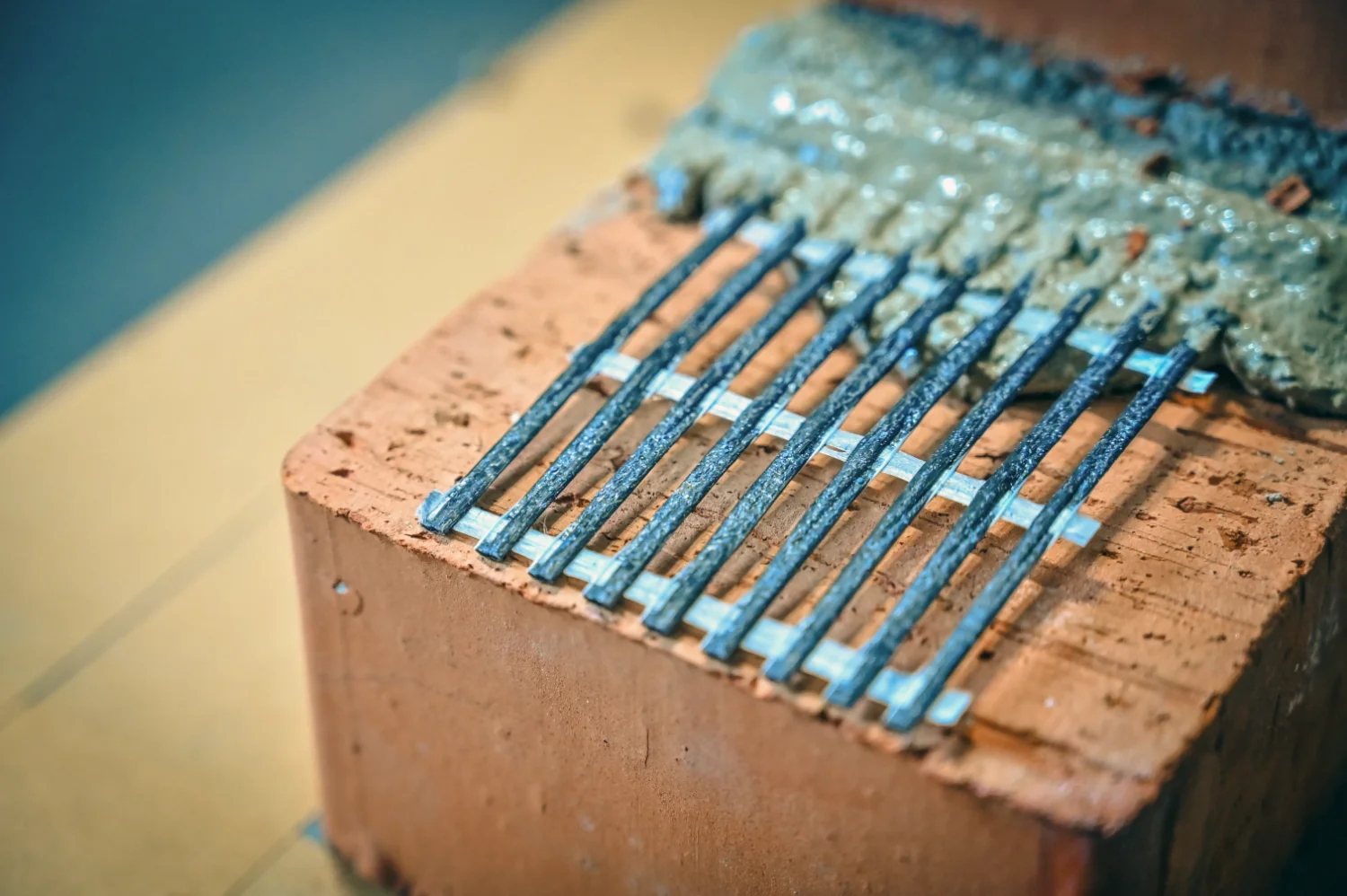
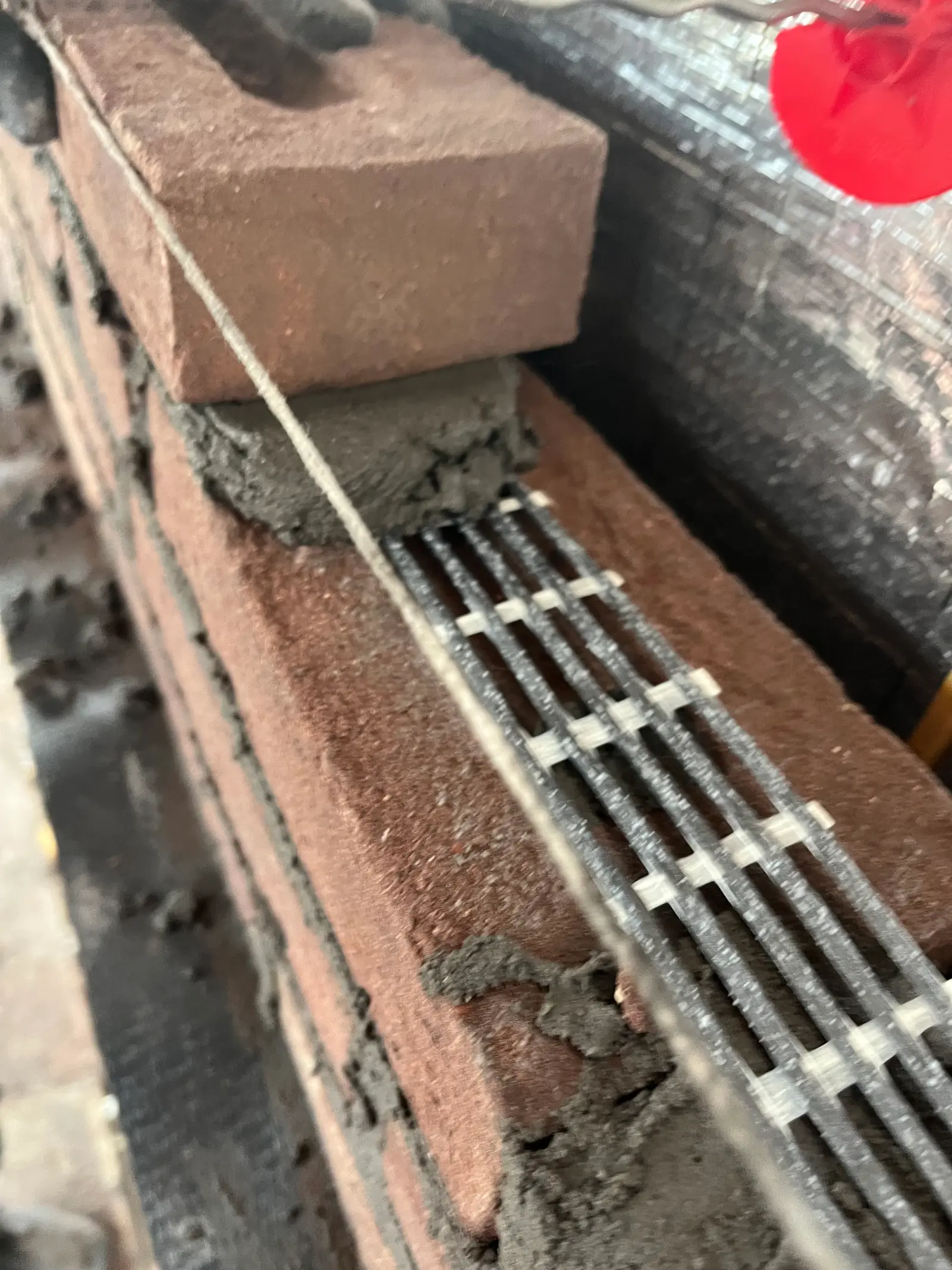
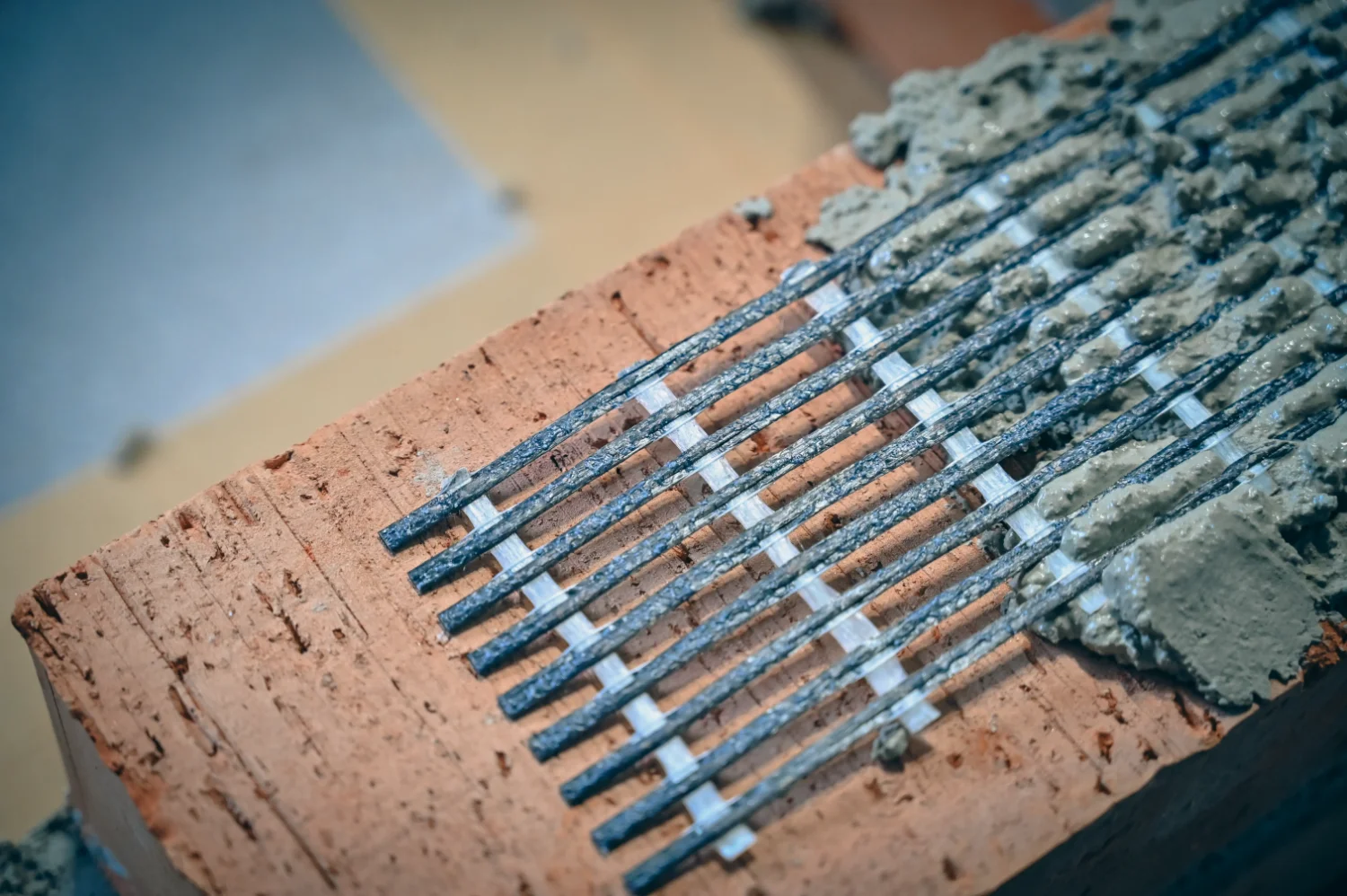
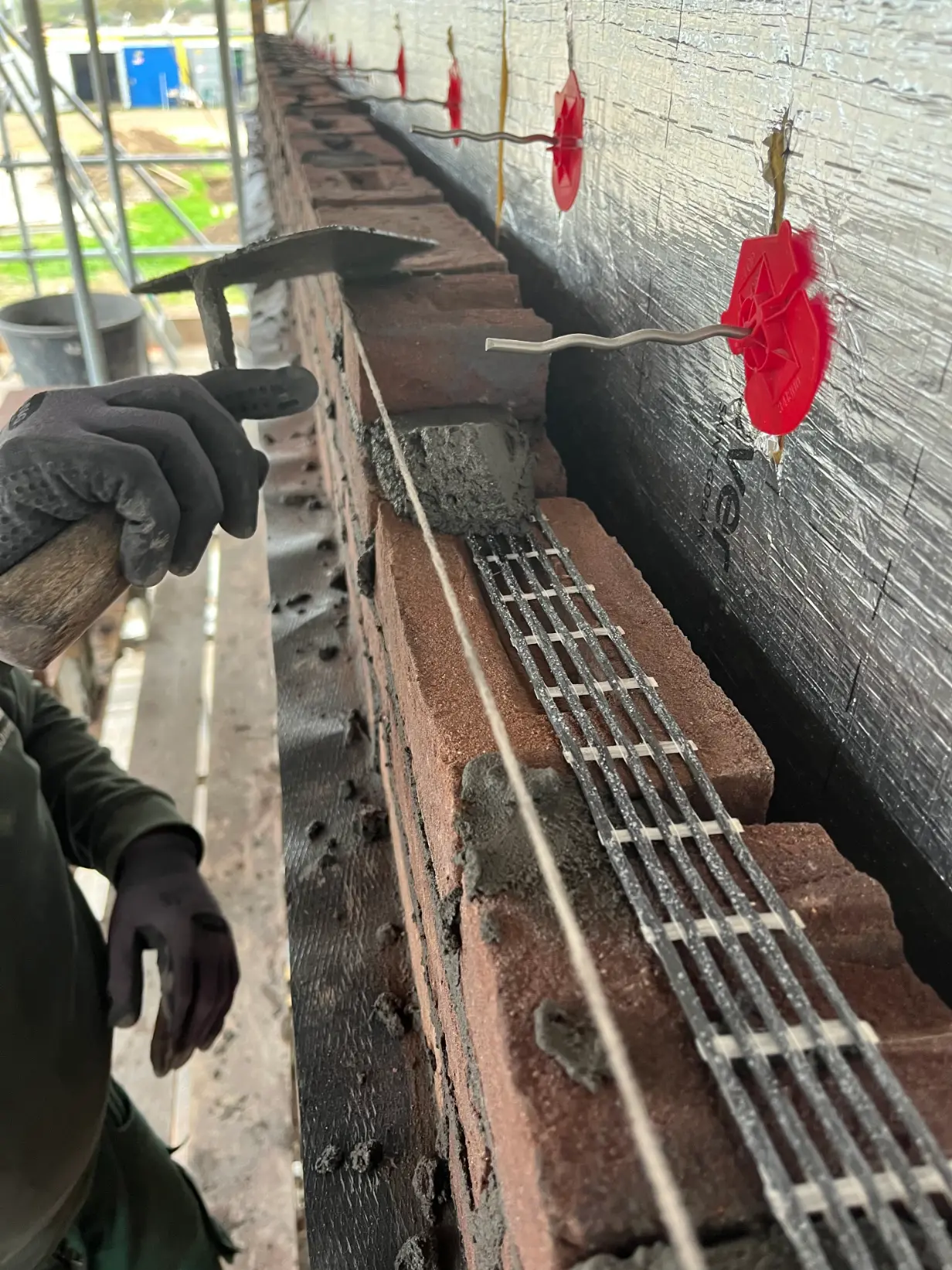
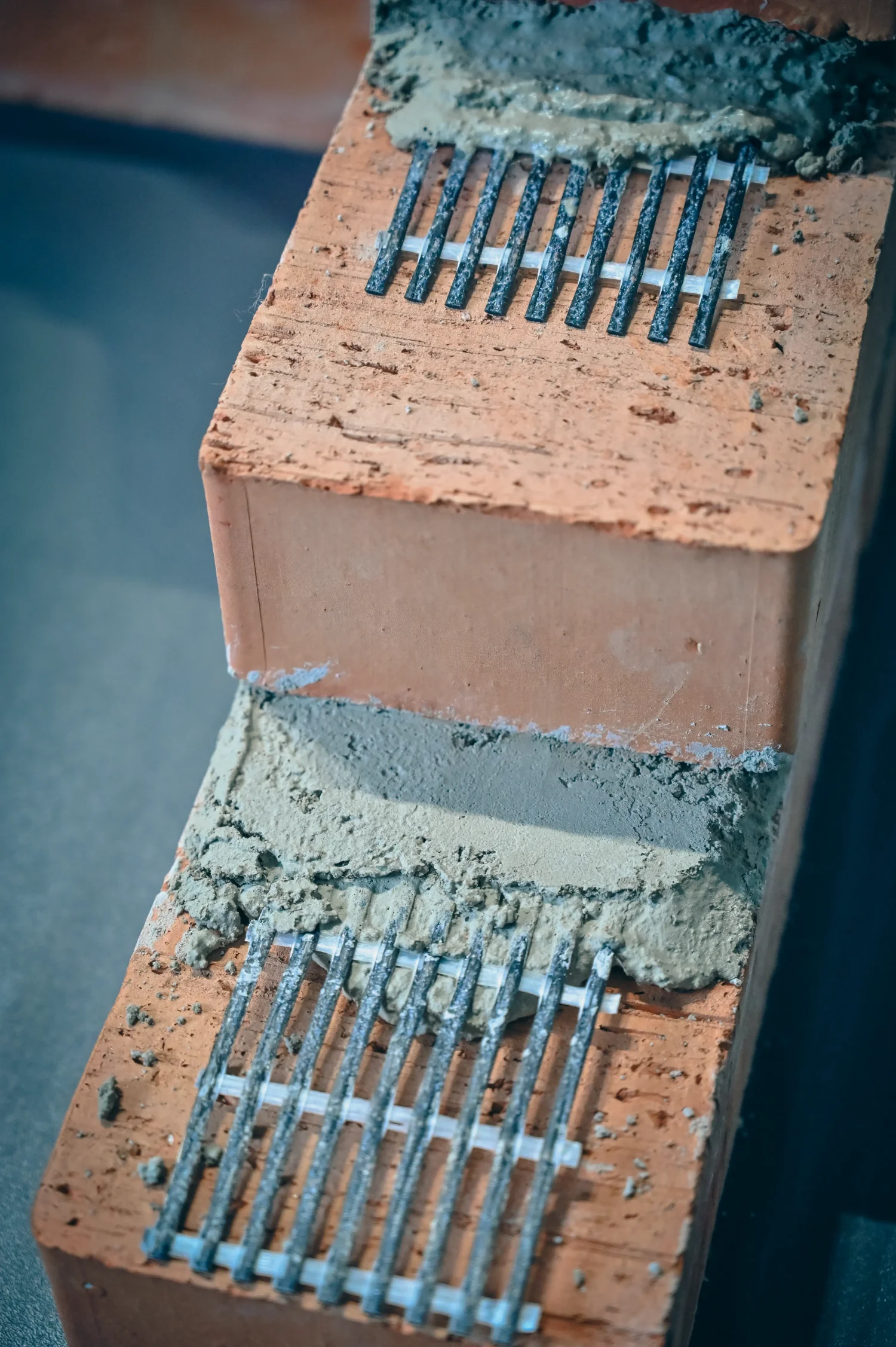
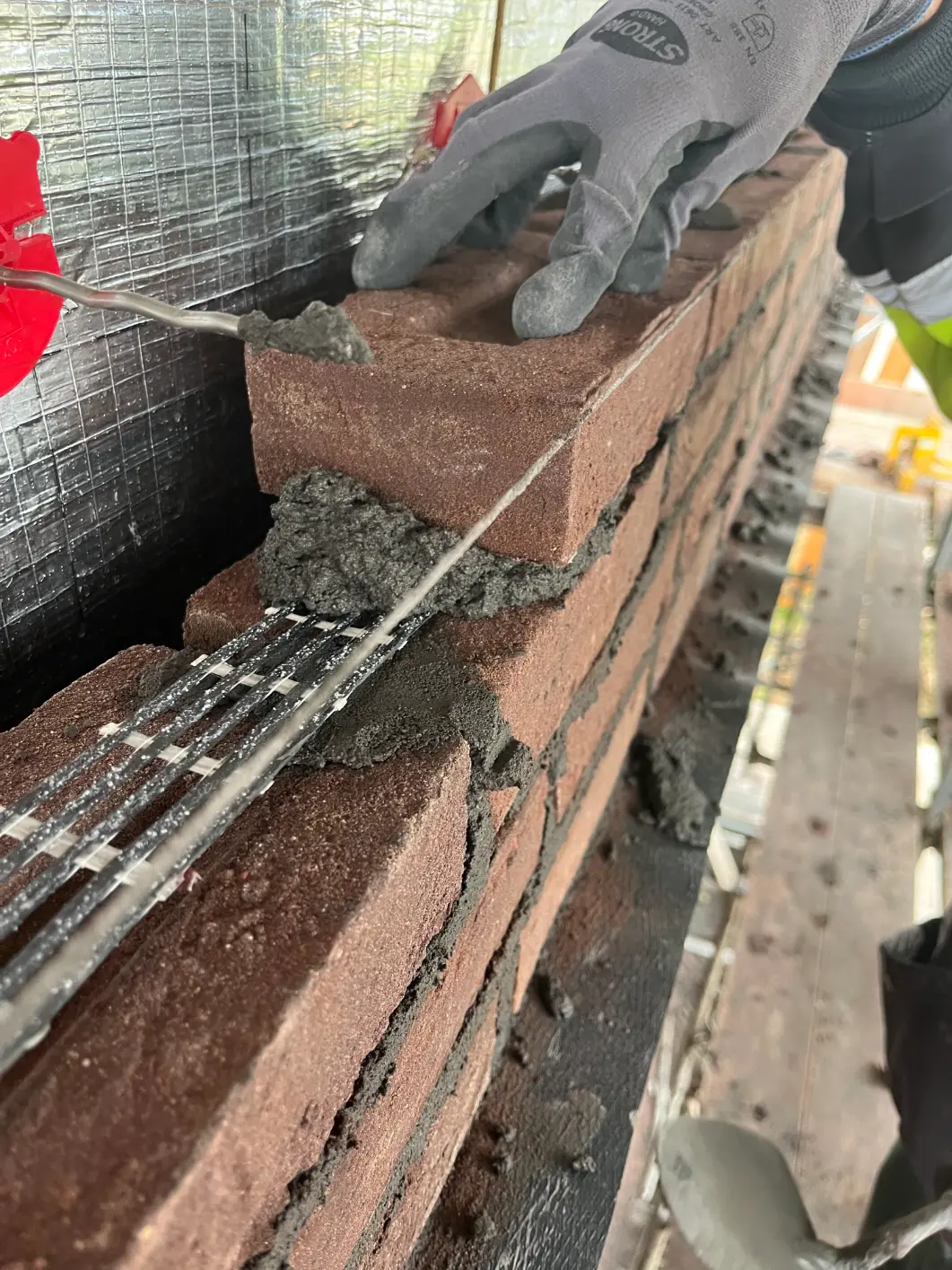
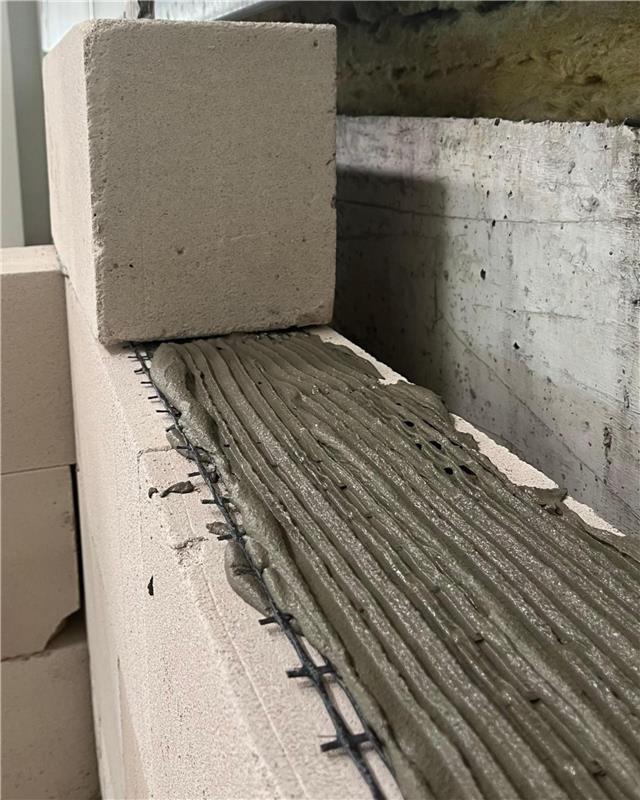
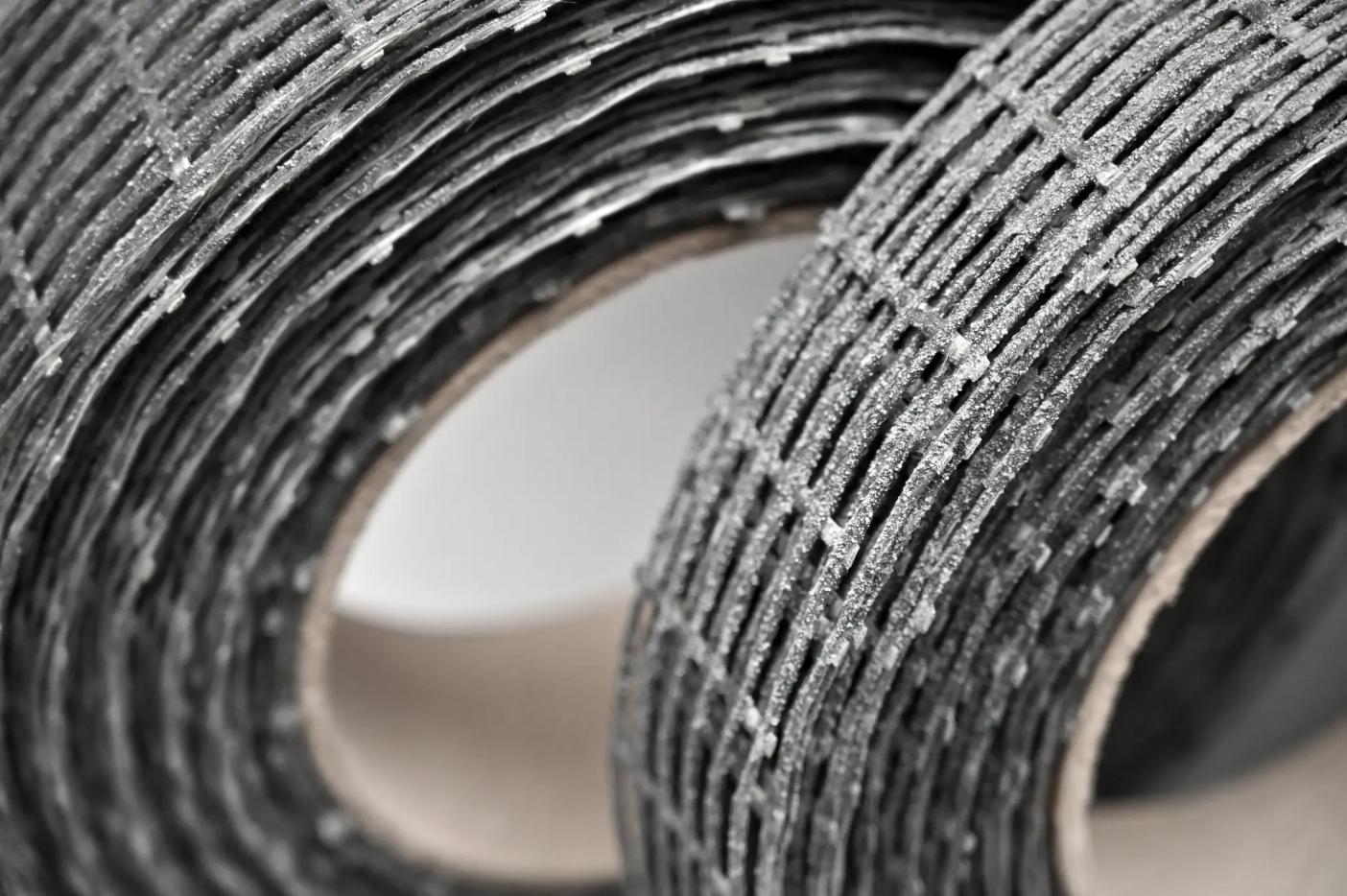
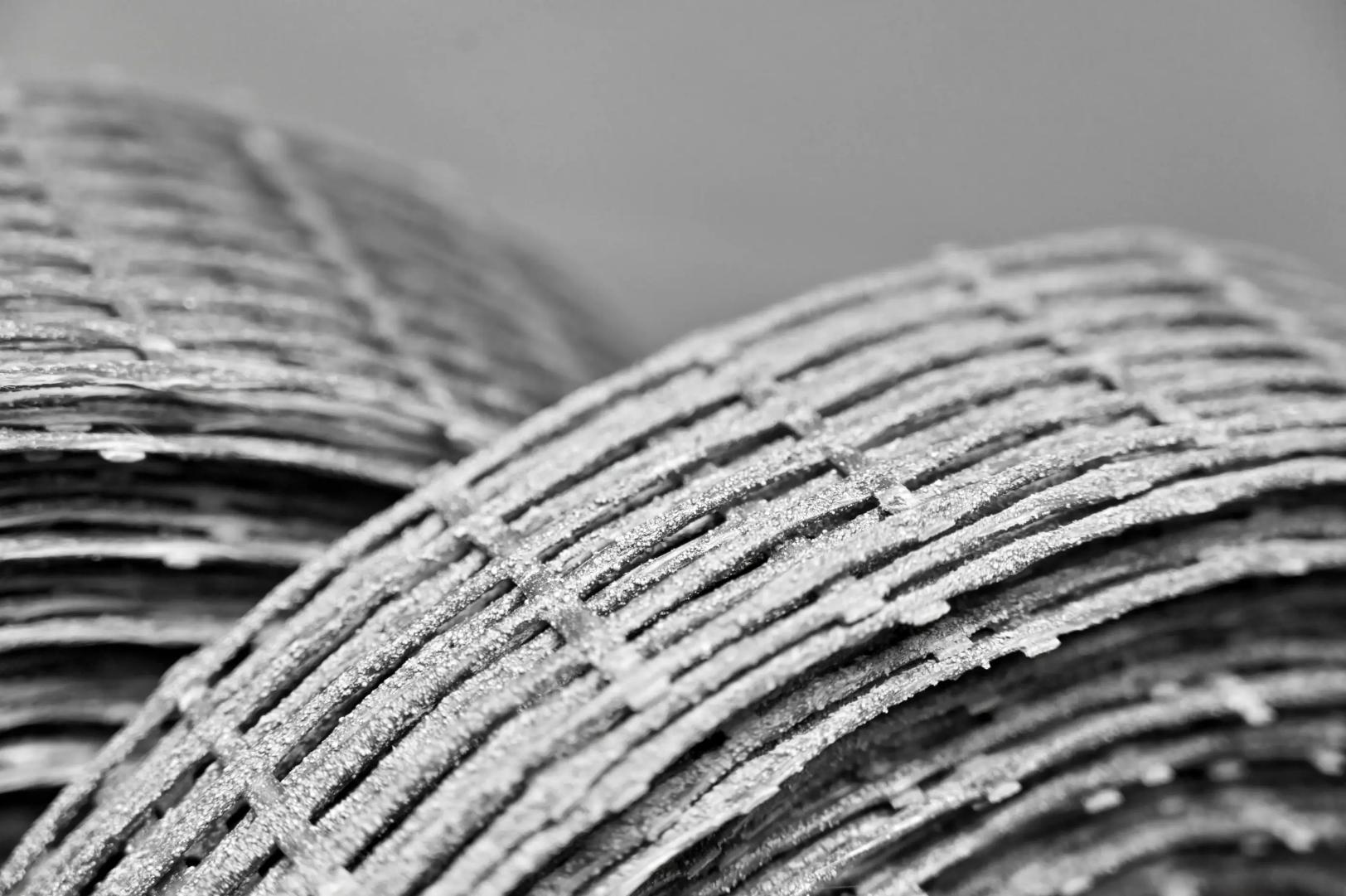
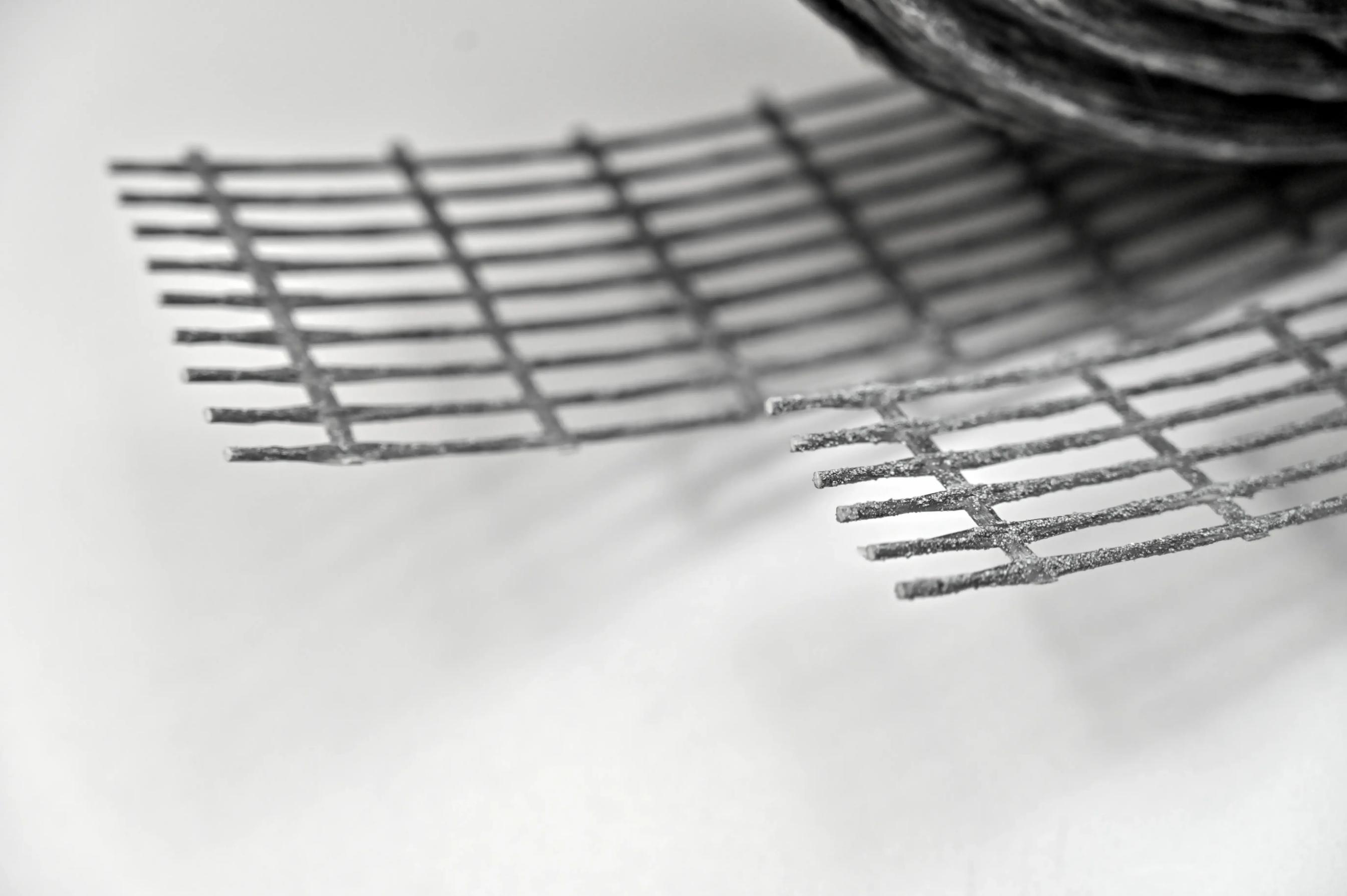
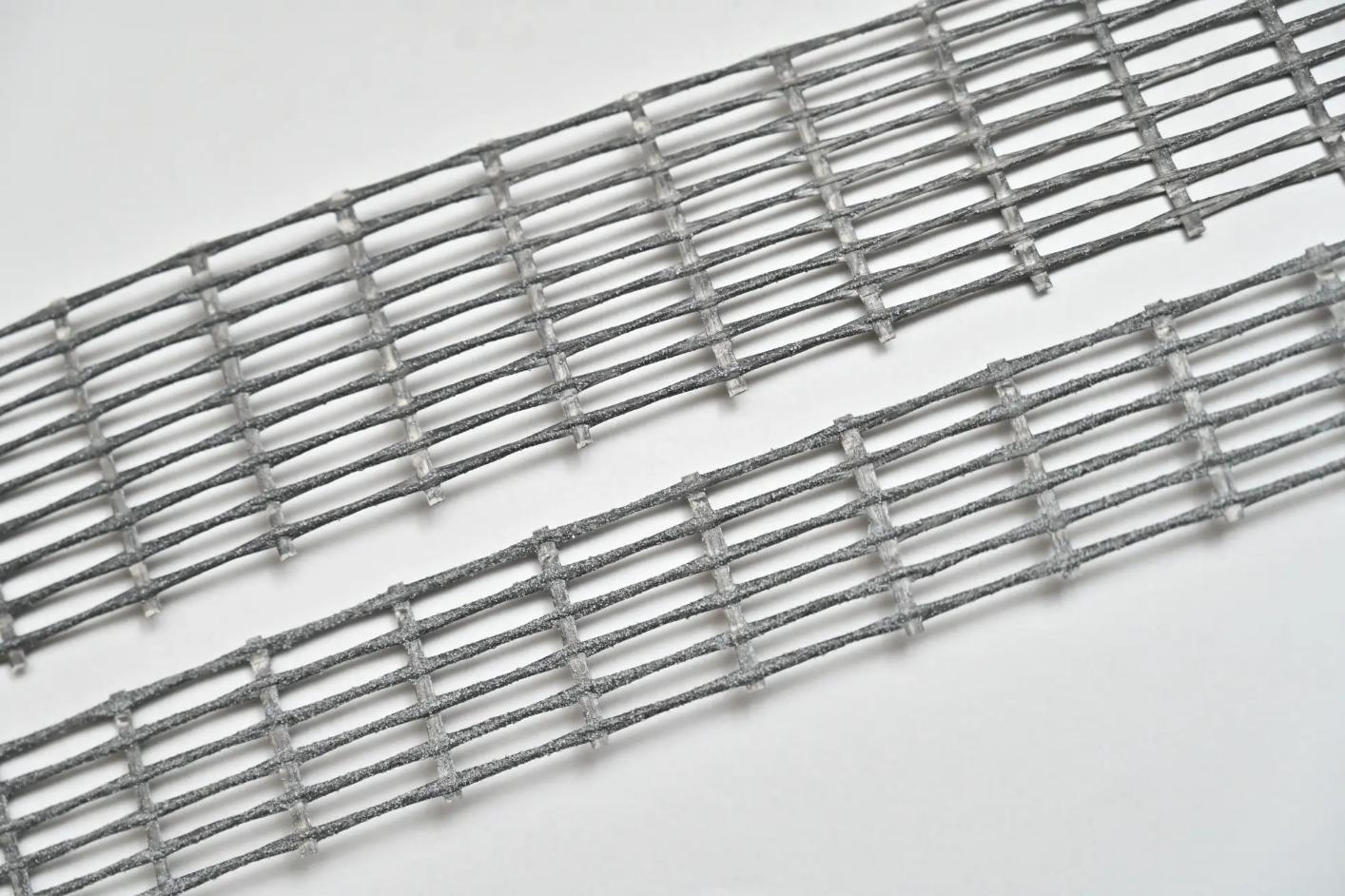
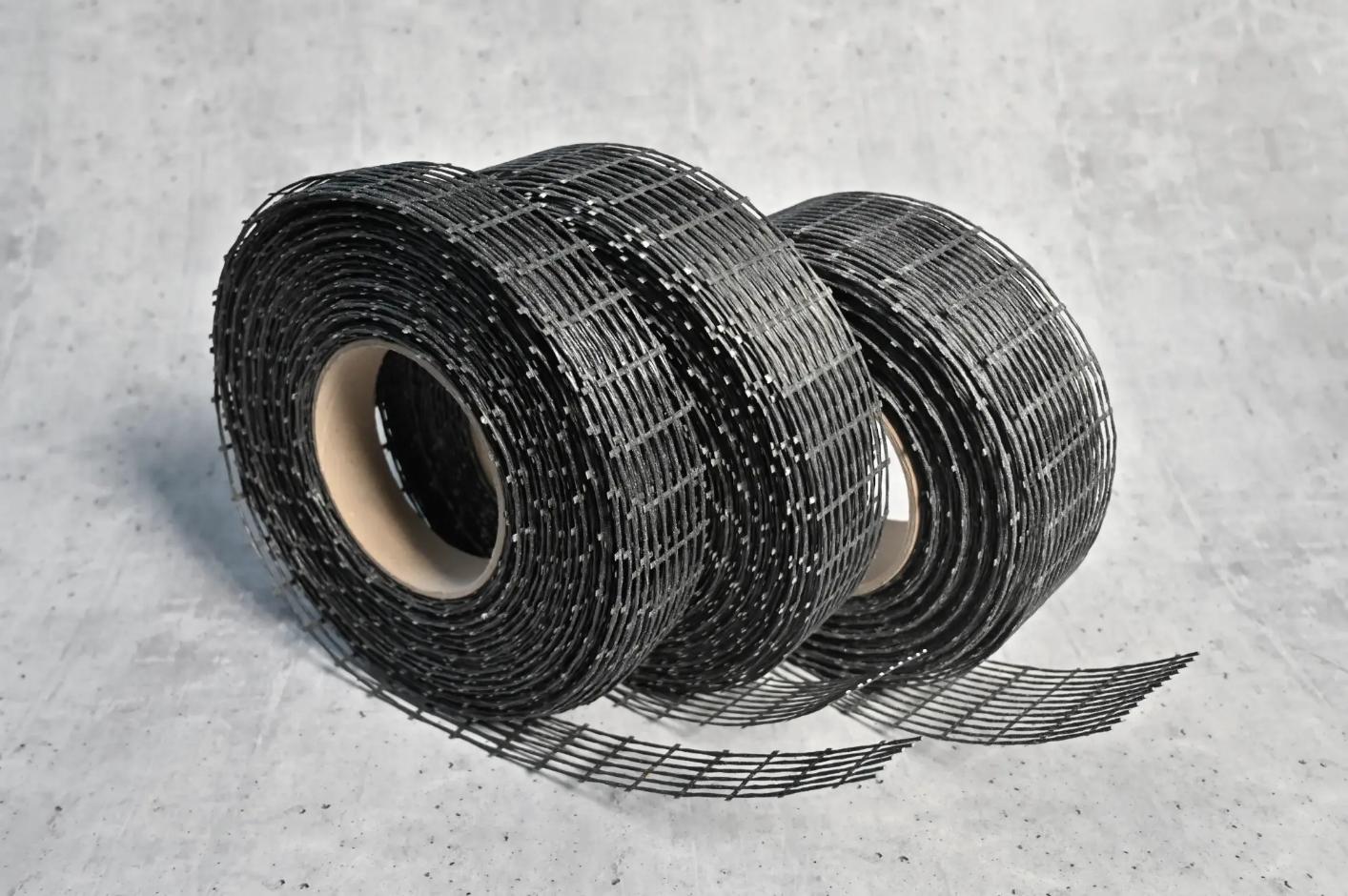
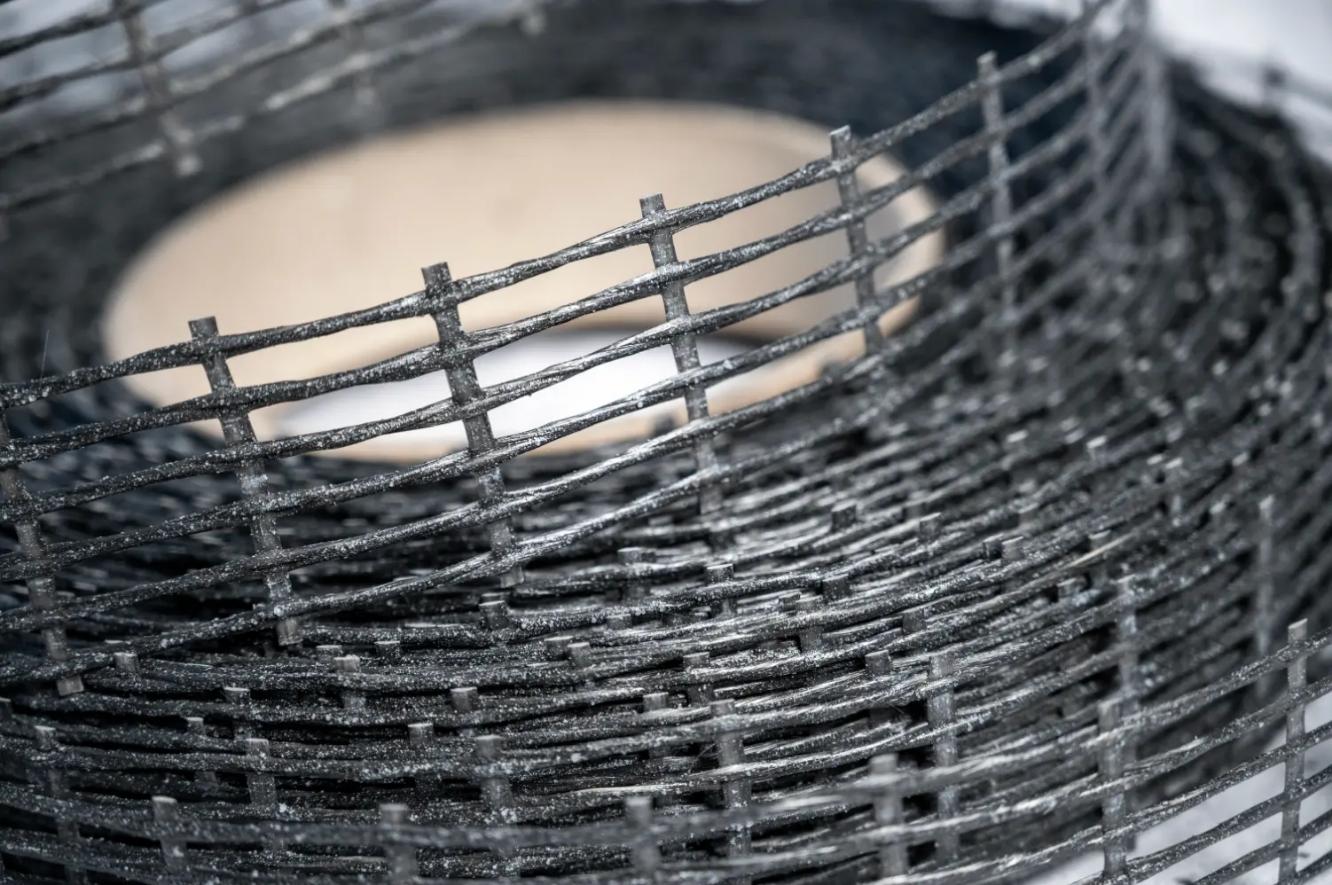
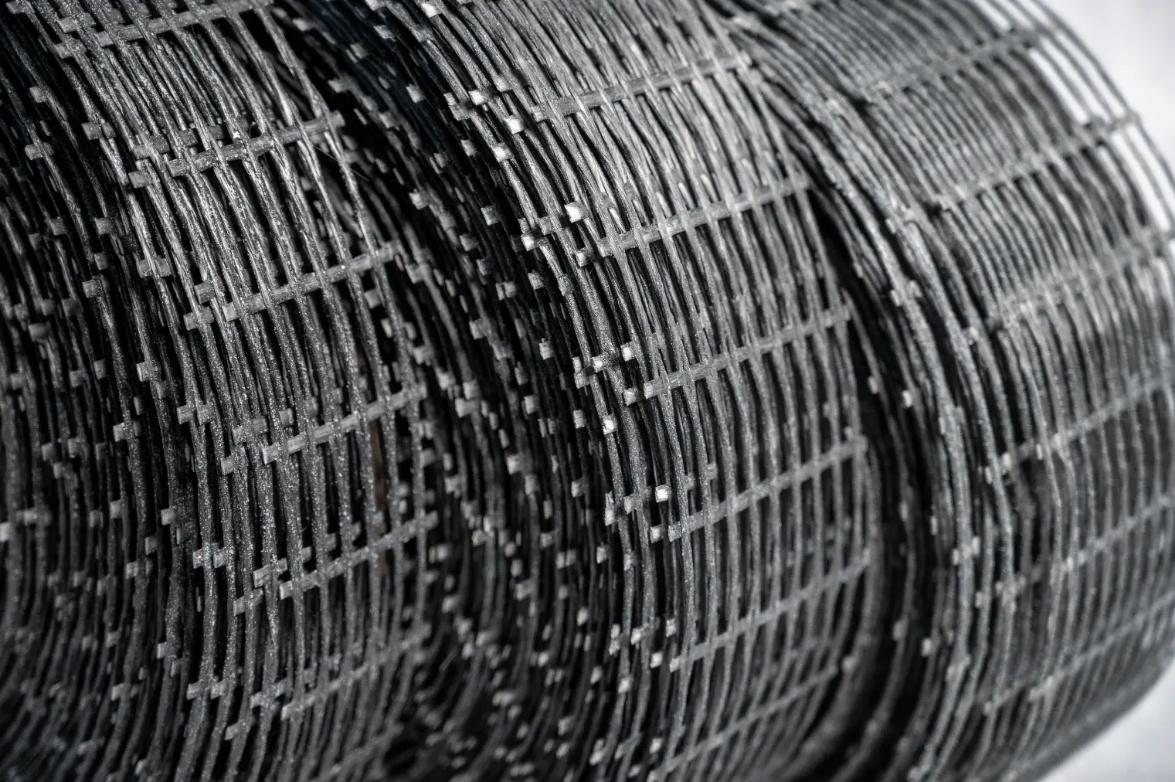
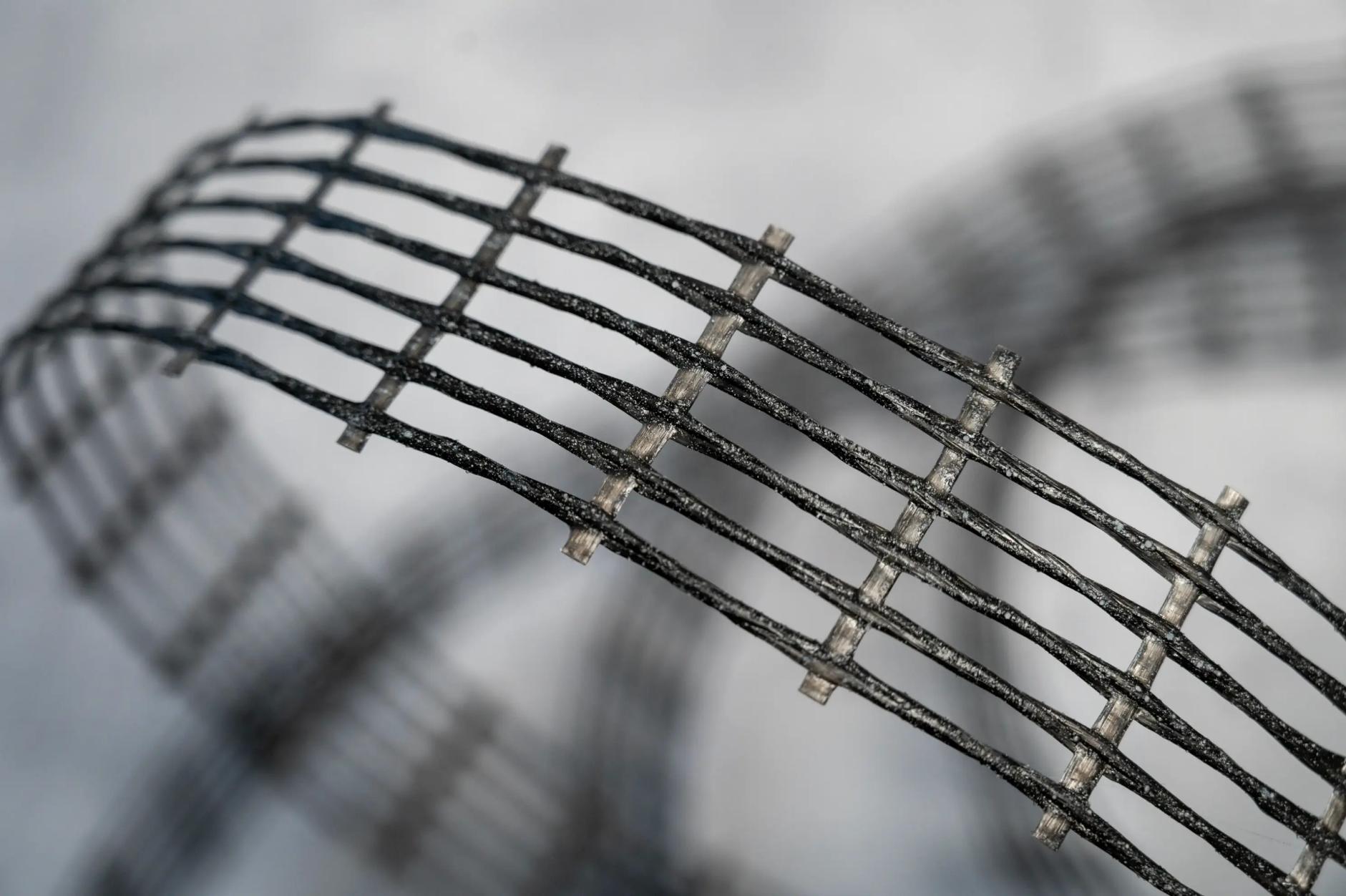
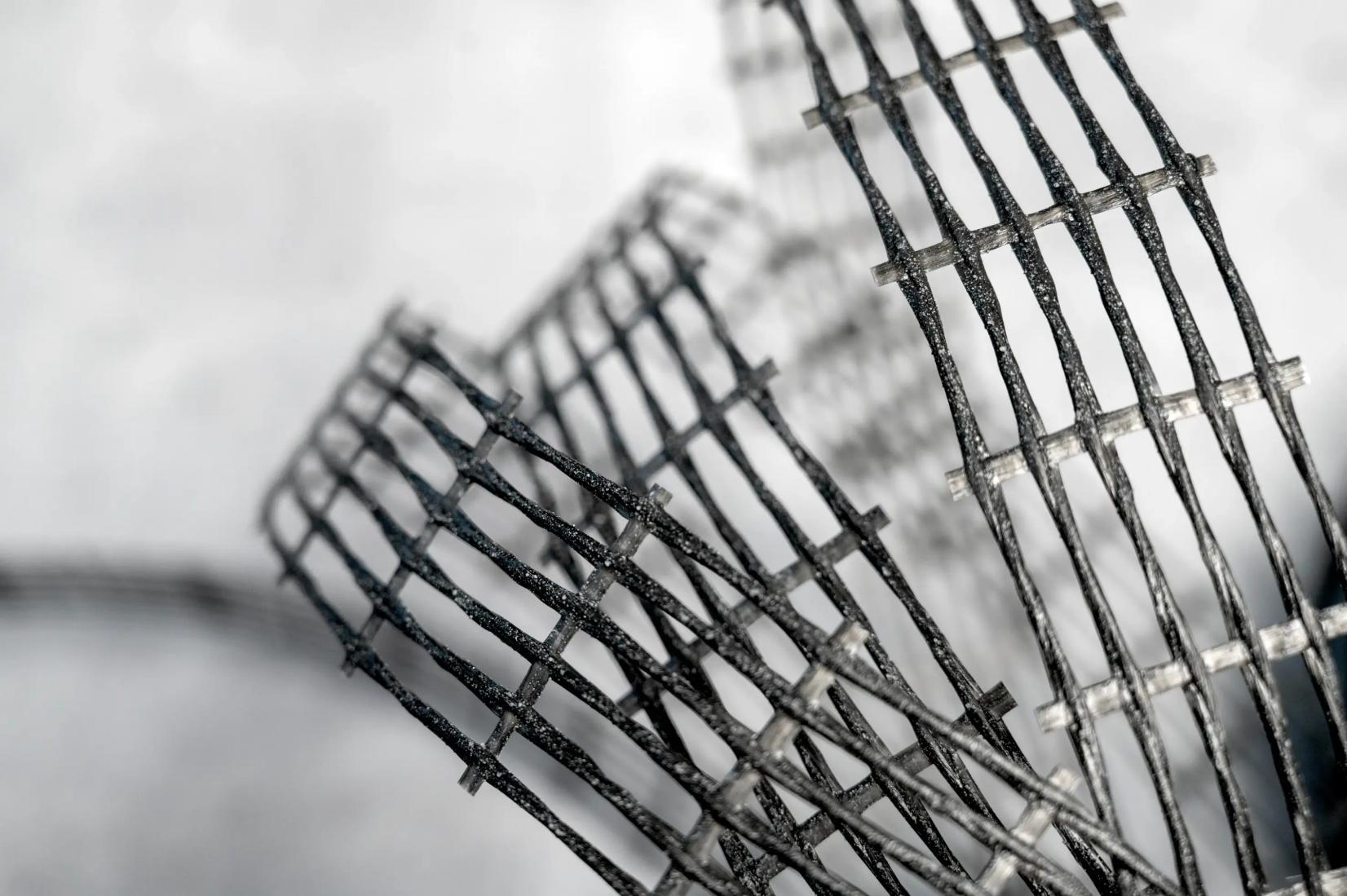
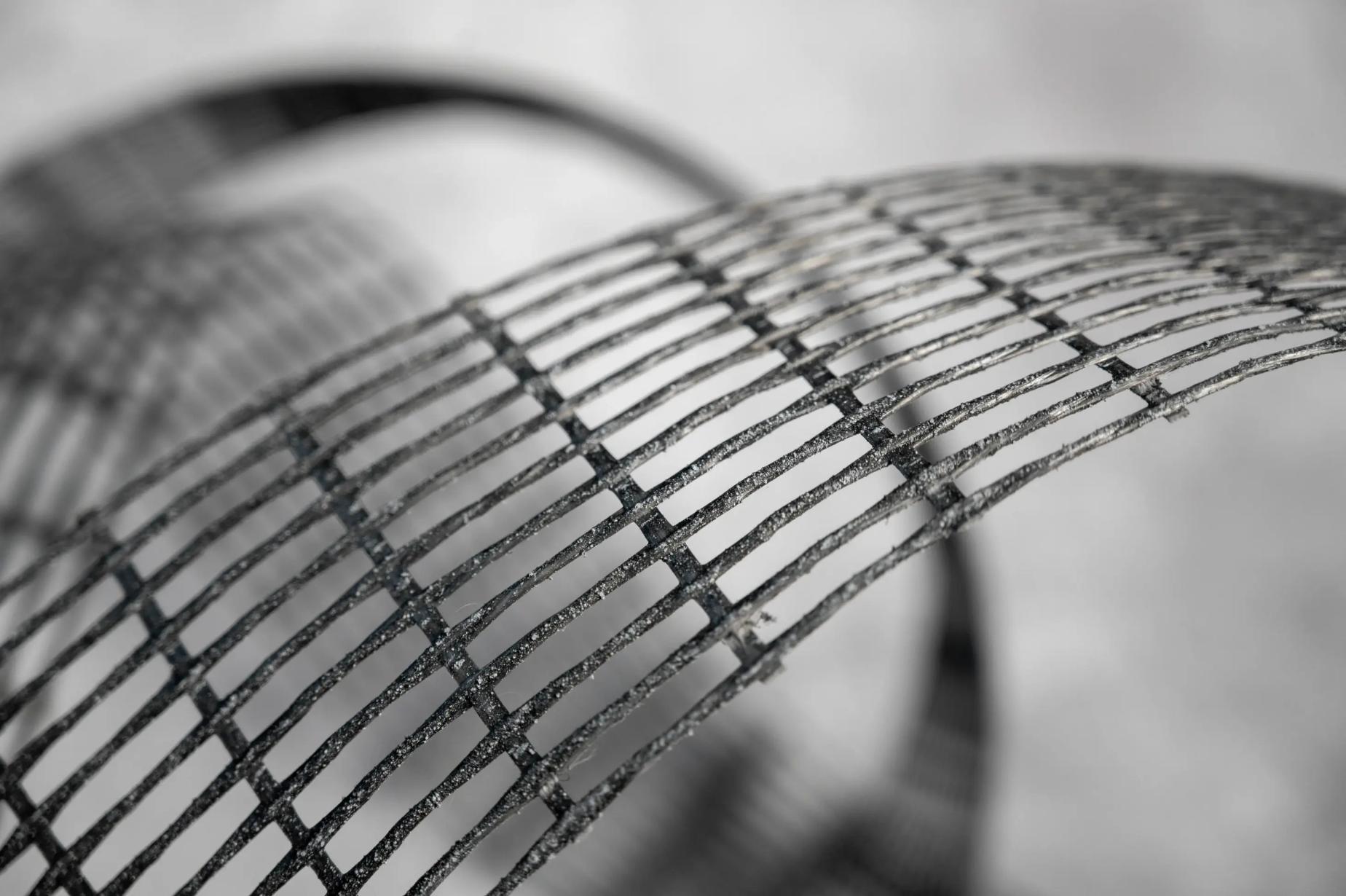
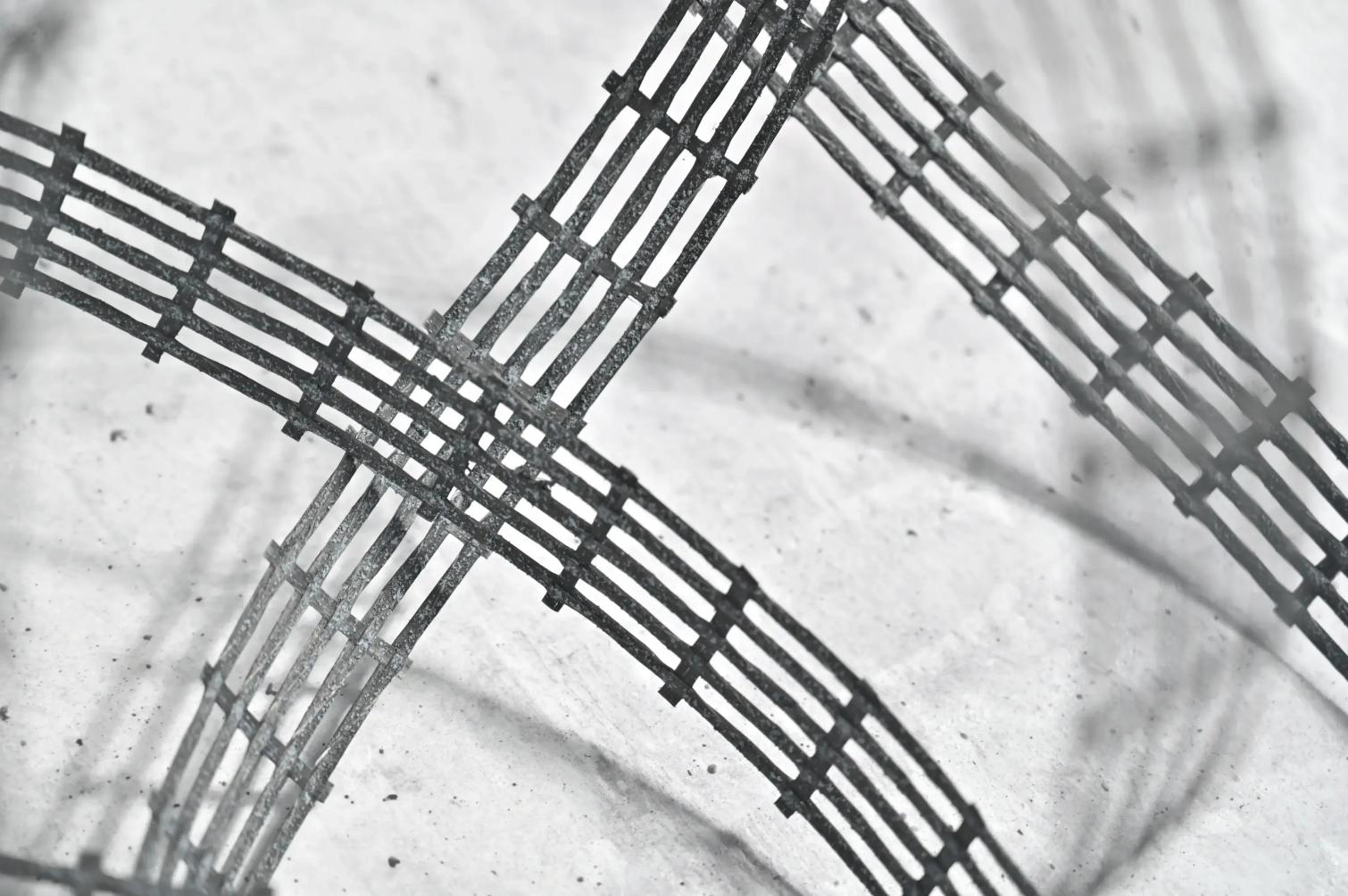
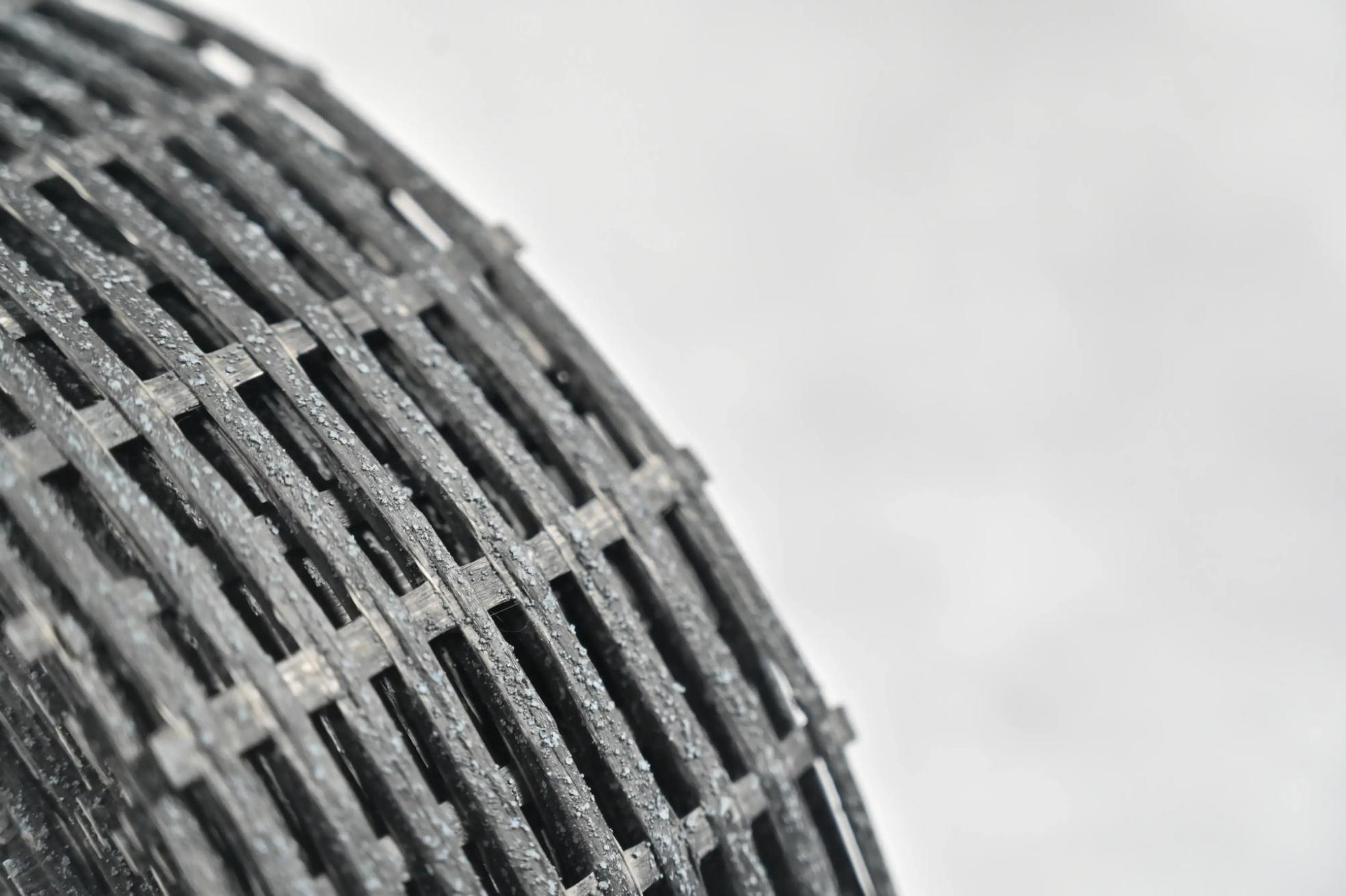
solidian Briksy is a high-tech, non-corrosive glass or carbon fiber mesh used as bed joint reinforcement in masonry. It is placed directly in the mortar between masonry units and helps to reduce the formation and propagation of cracks in walls, especially around window and door openings and in zones of stress concentration.
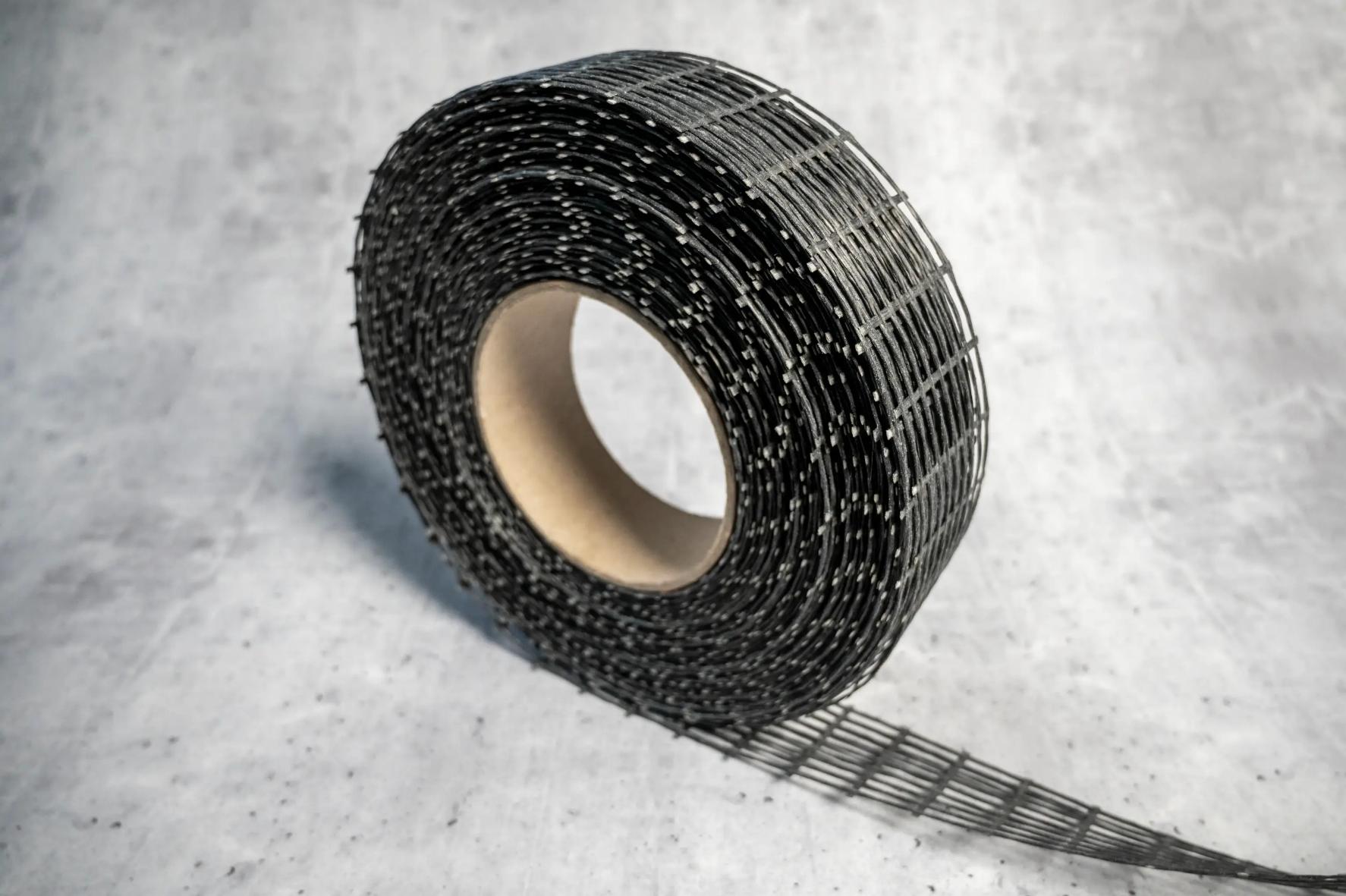
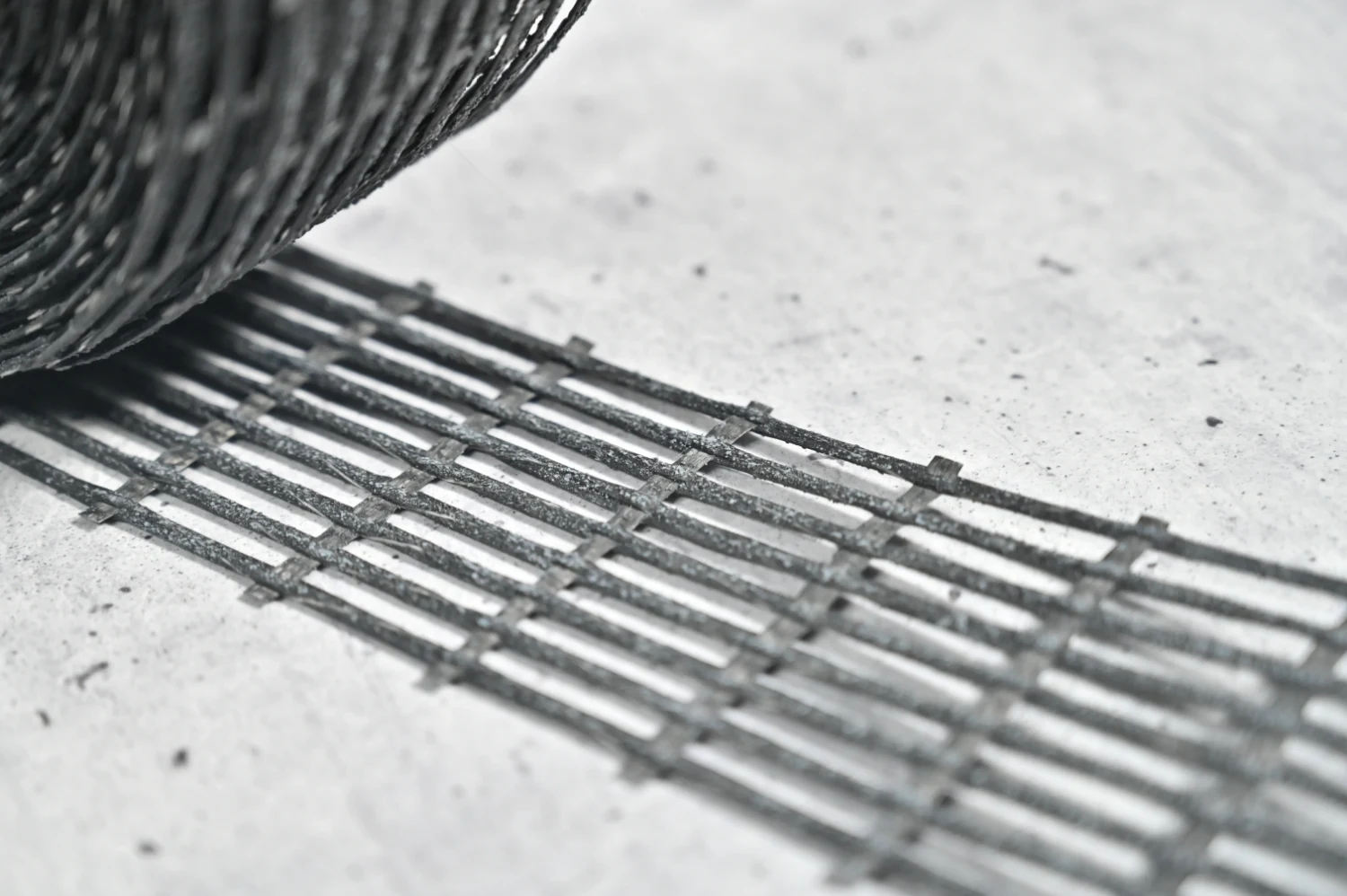
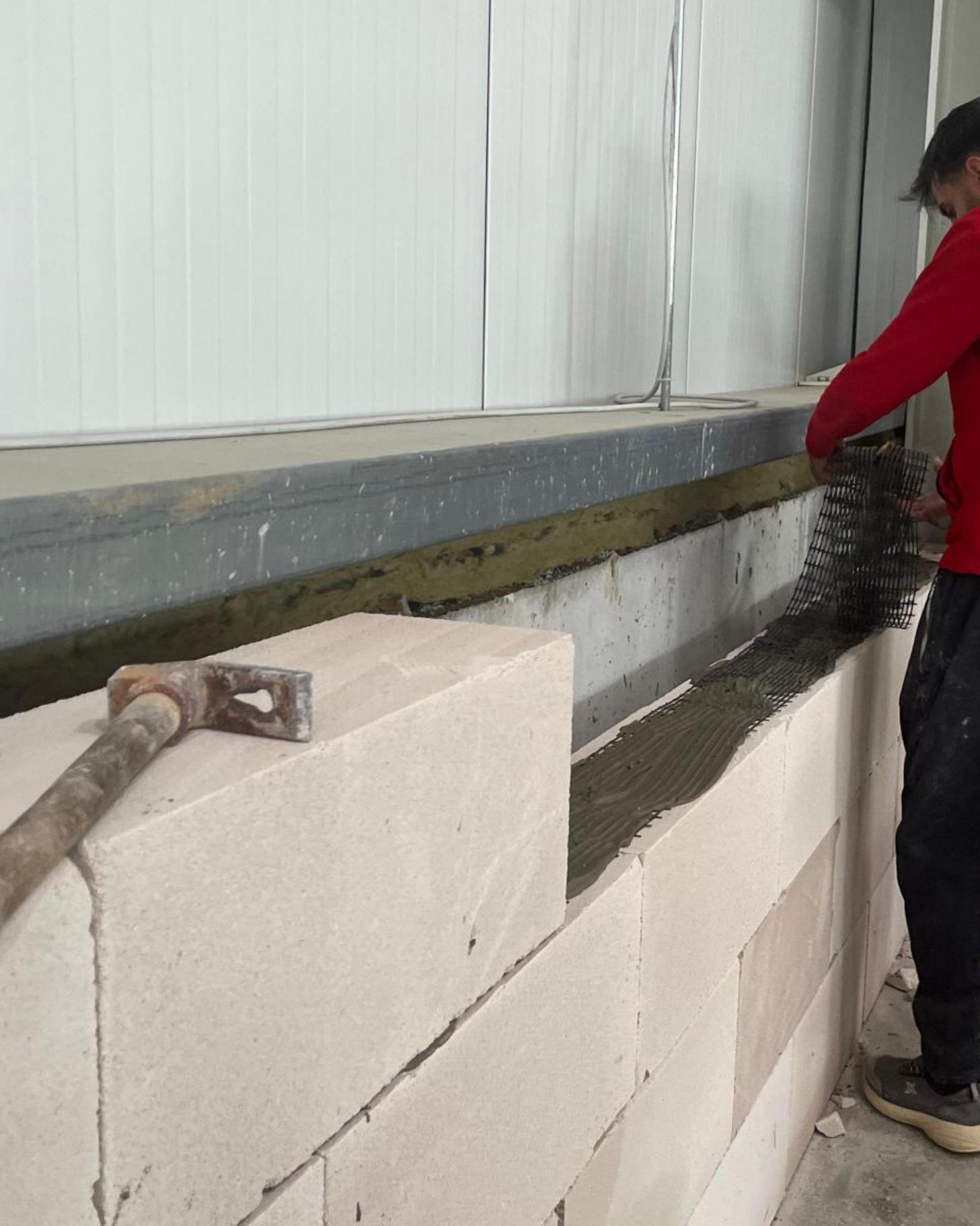
Thanks to alkali-resistant fibers and special impregnation, Briksy maintains its function even in demanding environmental conditions, without the risk of corrosion associated with traditional steel reinforcement. The thin mesh is fully embedded in the mortar joint and is supplied in long rolls that can be easily cut to length on site – reducing the number of overlaps and speeding up installation.
solidian Briksy is suitable for a wide range of masonry projects – from residential and commercial to industrial buildings. Whether used in new construction or refurbishment, Briksy contributes to long-term durability and more reliable wall behavior over the service life of the structure, with improved crack control and a more even distribution of stresses in the masonry.
The solidian Briksy Carbon variant is tested according to EN 846-2 as bed joint reinforcement in masonry, with verified bond properties between the mesh, the mortar, and the masonry units.
solidian Briksy carries the CE mark based on EAD 260057-00-0303 “Inorganic fibre grid for reinforcement of cement-, anhydrite-, or resin-based screed.”
Learn more about solidian Briksy
Haute performance : Renforce efficacement les murs et réduit le risque de fissures dues aux contraintes ou à la dilatation thermique.
Installation facile : Treillis flexible fourni en rouleaux, d’une largeur maximale de 30 cm, facile à manipuler sur chantier et à couper à la longueur requise sans outils spécialisés.
Non corrosif : Conçu pour une utilisation intérieure et extérieure, avec une résistance durable à la corrosion et aux conditions environnementales.
Stabilité renforcée : Améliore principalement la capacité de flexion dans le plan des murs, tout en contribuant également à la résistance aux mouvements hors plan, un avantage important en cas de sollicitations sismiques verticales.
Léger et compact : Facilite le transport et la manipulation, réduisant les contraintes logistiques sur chantier.
Disponible en différentes largeurs : Offre une flexibilité adaptée aux exigences spécifiques de chaque projet.
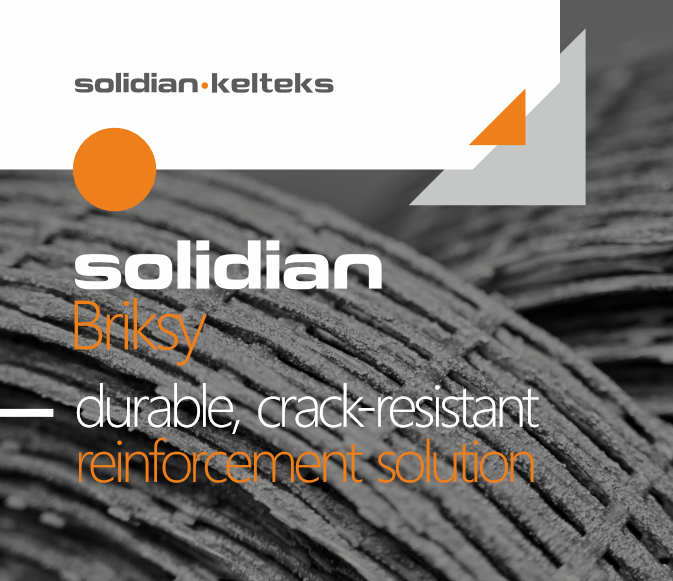
Notre manuel officiel Briksy fournit des instructions étape par étape, des données techniques et des bonnes pratiques pour maximiser les performances dans les applications de maçonnerie. De l’installation aux stratégies de renforcement – tout ce dont vous avez besoin, réuni en un seul document.
Que vous travailliez sur des murs résidentiels ou sur de grandes structures industrielles, le guide Briksy vous accompagne à chaque étape du processus. Apprenez à bien espacer les armatures, gérer les recouvrements, vous adapter aux conditions sismiques et renforcer les zones critiques comme les ouvertures ou les pignons. Grâce à ses illustrations détaillées, conseils d’application et spécifications techniques, ce guide garantit une exécution précise, sûre et durable de vos projets en maçonnerie.
build solid.
Application horizontale : Appliquer solidian Briksy dans au moins un lit de mortier horizontal tous les 500 mm dans les murs en maçonnerie, conformément aux exigences de la NTC 2018 et de l’Eurocode 8 pour les zones présentant un risque sismique modéré à élevé.
Positionnement dans le mur : Placer solidian Briksy aux points clés, tels que les angles et les joints, afin d’améliorer la résistance à la flexion dans le plan du mur.
Résistance à la corrosion : Adapté à une utilisation intérieure et extérieure, solidian Briksy est non corrosif et assure un renforcement durable des murs.
Adhérence optimale : Veiller à ce que solidian Briksy soit entièrement intégré dans le mortier afin d’obtenir une stabilité maximale.
Yes, in cases where steel reinforcement has corroded, solidian GRID can serve as a substitute for structural reinforcement. The existing corroded steel can remain in place and be covered with a new layer of carbon-reinforced mortar, restoring structural integrity.
When combined with high-quality mortars, solidian GRID significantly enhances the overall durability of the system, providing a robust solution for demanding environments.
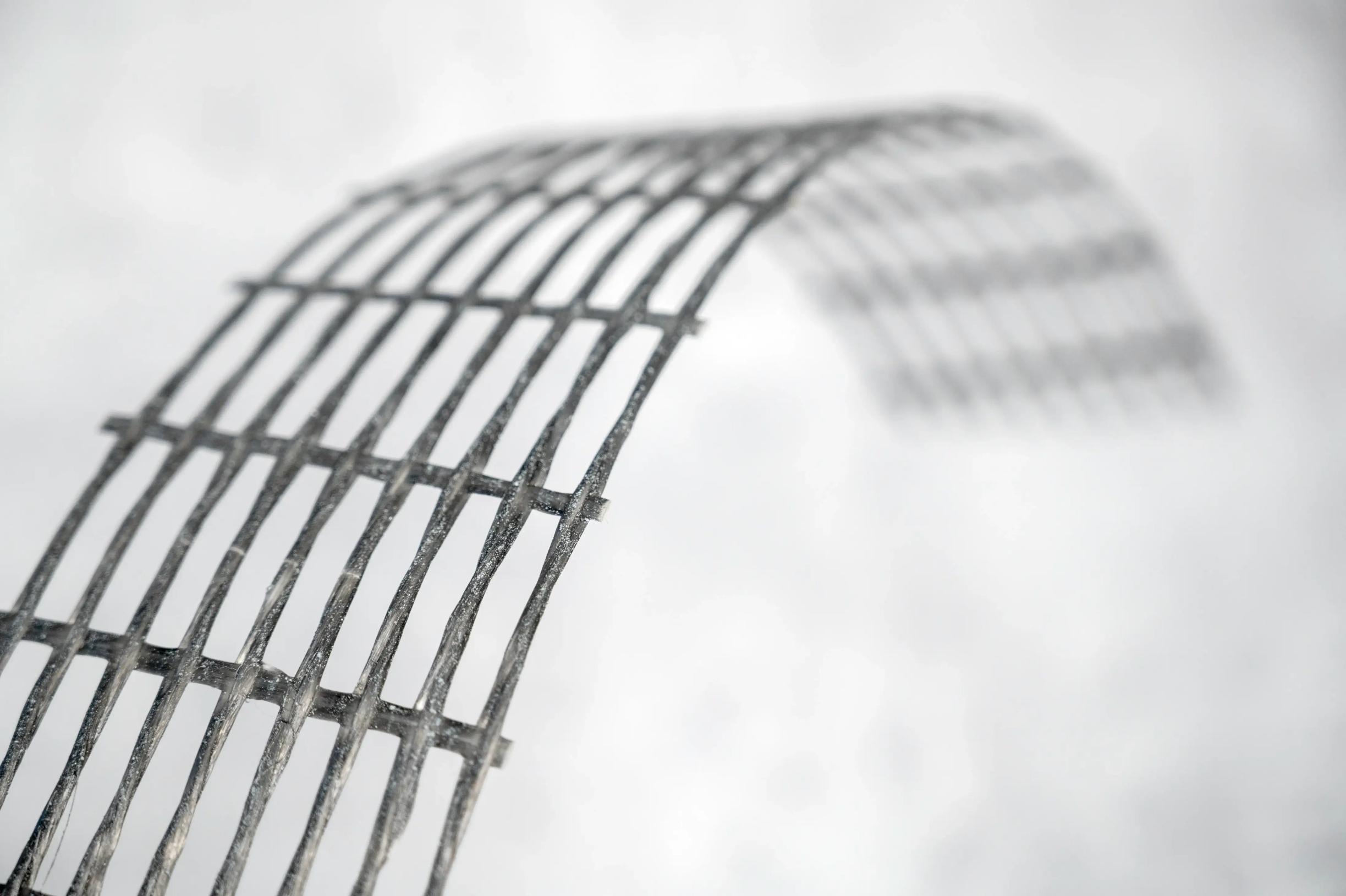
Yes, solidian GRID strikes a balance between stiffness and flexibility, allowing it to be applied to curved surfaces with diameters greater than 800mm.
The lightweight nature of solidian GRID facilitates easy transportation, even through sewage tunnels, and simplifies the installation process, reducing labor and equipment requirements.
Yes, a certified Environmental Product Declaration (EPD) is available for both solidian GRID and solidian REBAR. The EPD provides transparent and verified information about the environmental impact of these products throughout their life cycle, supporting sustainability assessments in construction projects.
Yes, solidian GRID has obtained the General Building Approval (abZ) from the German Institute for Building Technology (DIBt). This approval authorizes its use as carbon reinforcement grids in construction, ensuring compliance with national building standards.
solidian GRID is versatile and works with a range of binders, including Portland Cement, Calcium Aluminate Cements, and Geopolymer Cements.
solidian GRID holds German Approval as reinforcement for EN 206 concretes, supporting its compatibility with various mortar systems, including those adhering to DIN 19573.
Concrete layers reinforced with solidian GRID can be as thin as 20mm, as no additional concrete cover is needed to protect the reinforcement from corrosion.
Yes, solidian GRID can be applied as an additional layer over existing steel-reinforced concrete. When combined with solidian ANTICRACK, it offers enhanced crack-limiting properties, providing extra protection to the underlying steel reinforcement.
Classified under XWW4, solidian GRID ensures long-term performance for over 50 years, making it a durable choice for long-term infrastructure projects.
solidian GRID is fully resistant to severe acidic conditions, including environments with pH levels as low as 0. It has successfully passed tests in accordance with DIN 19573 standards for pH 0 and pH 1.
solidian GRID enables the design of thinner concrete layers (greater than 20mm) without requiring additional concrete cover for reinforcement protection. This reduction in material usage leads to lower resource consumption and a diminished environmental footprint, supporting more sustainable construction practices.
Additional information: