Durabilité inégalée et rentabilité optimale
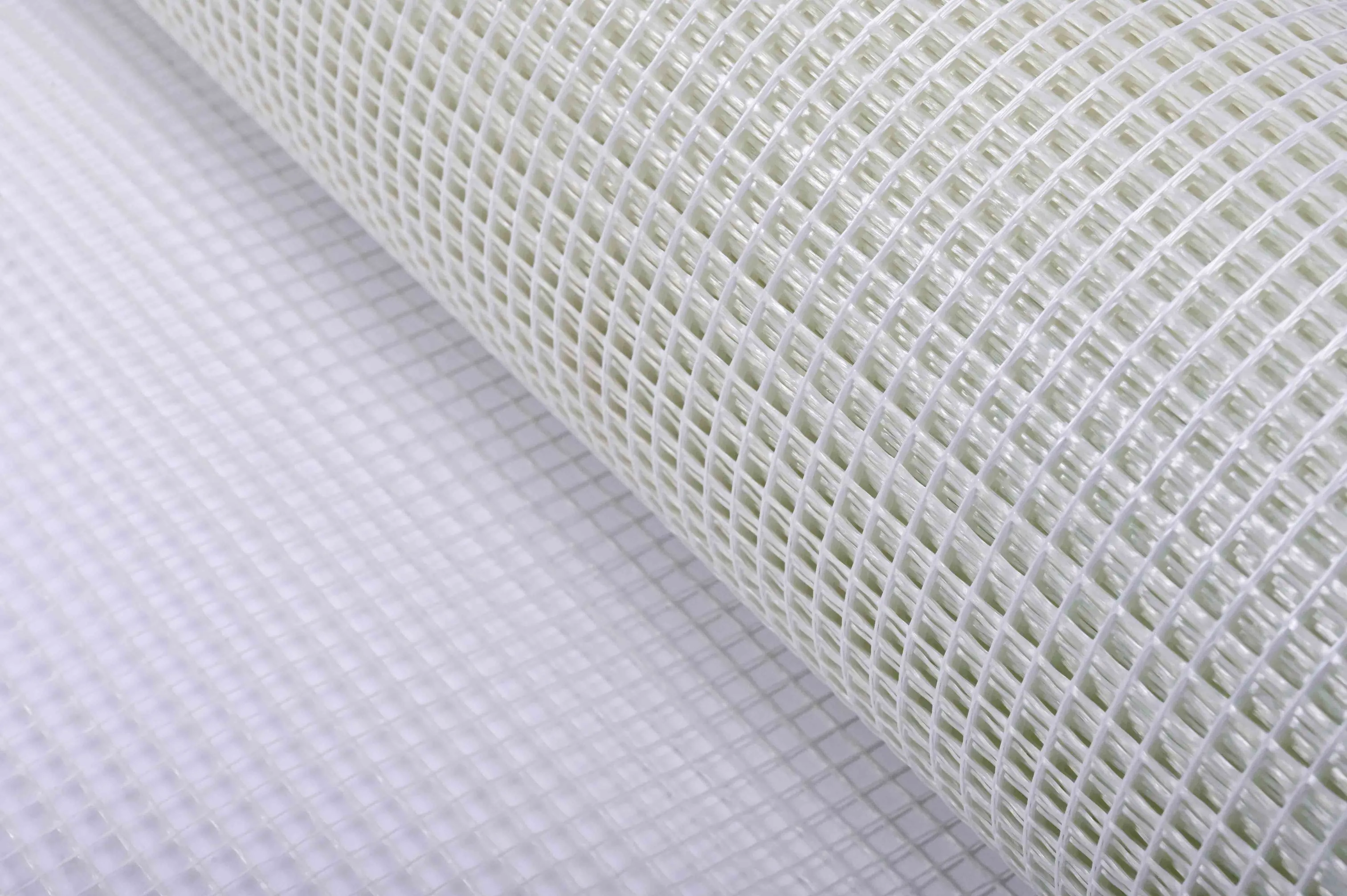
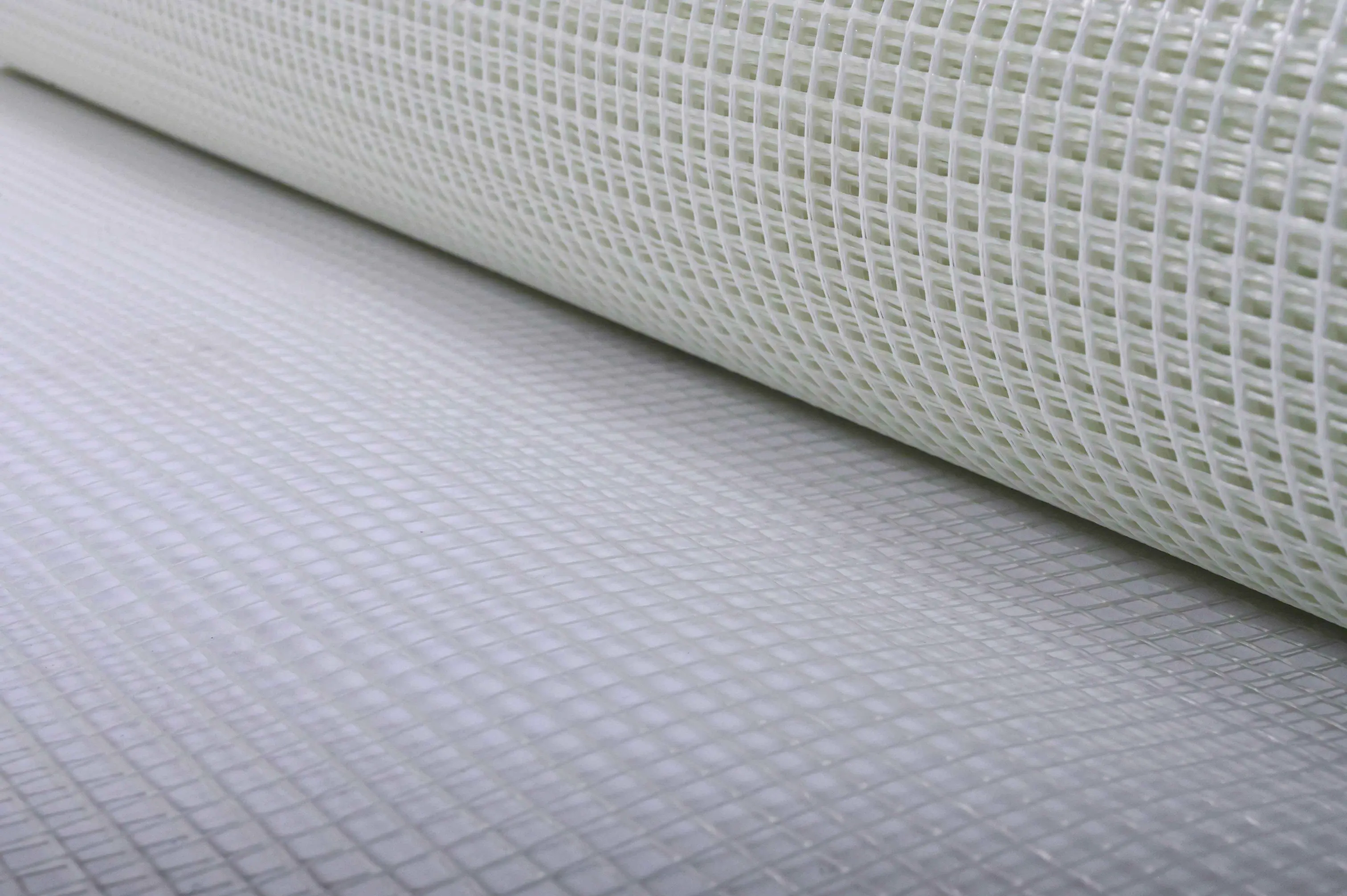
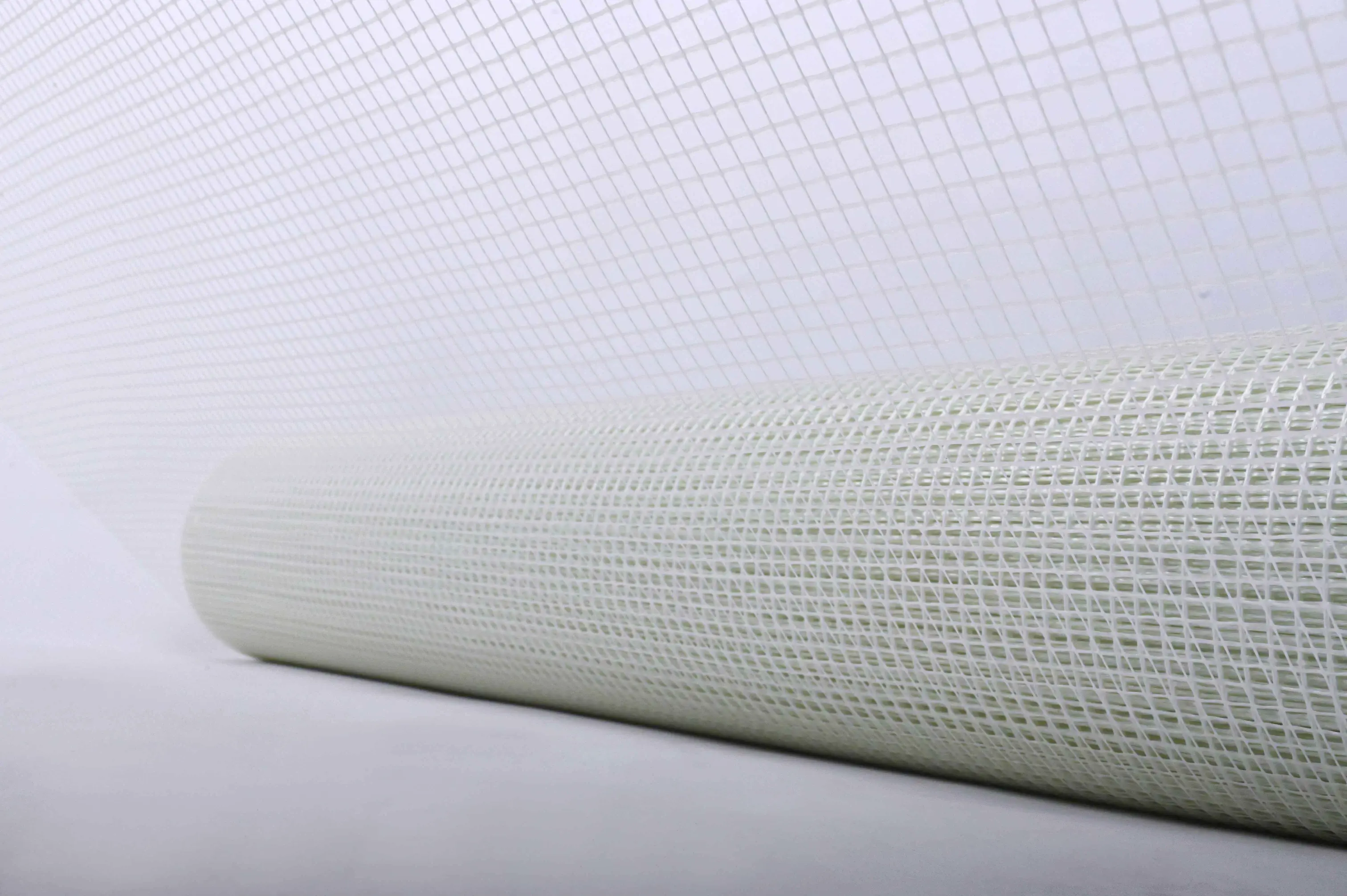
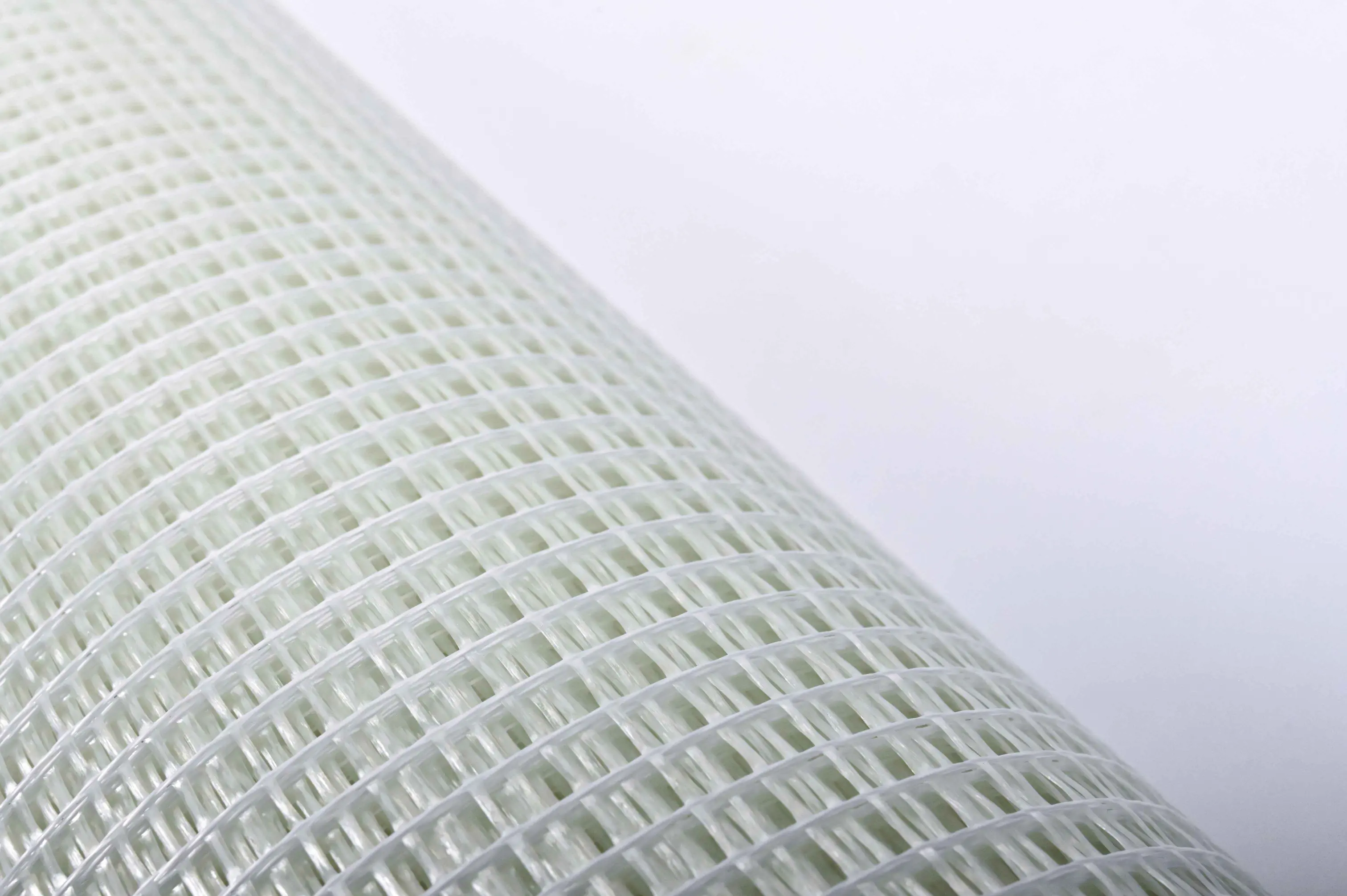
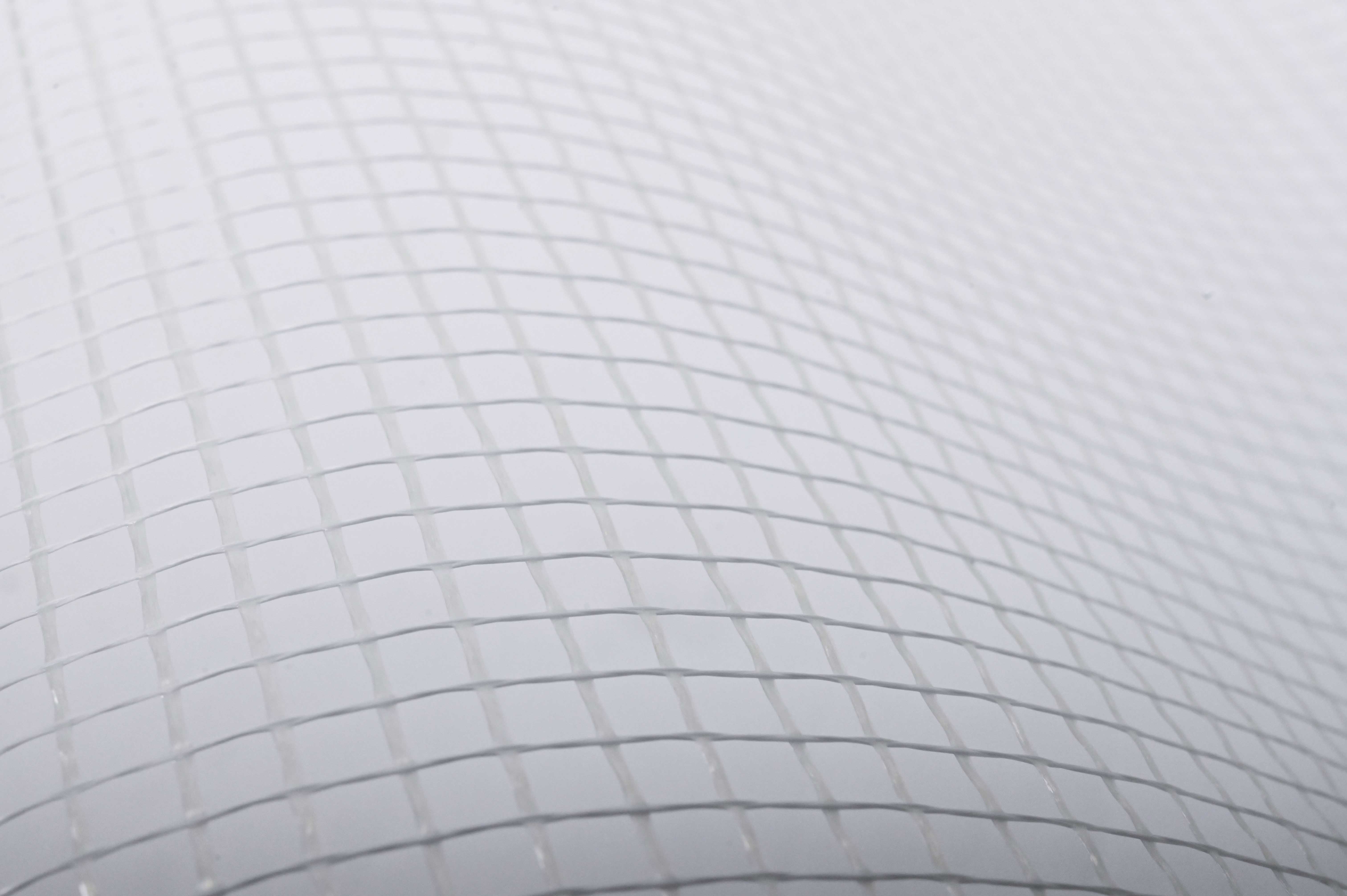
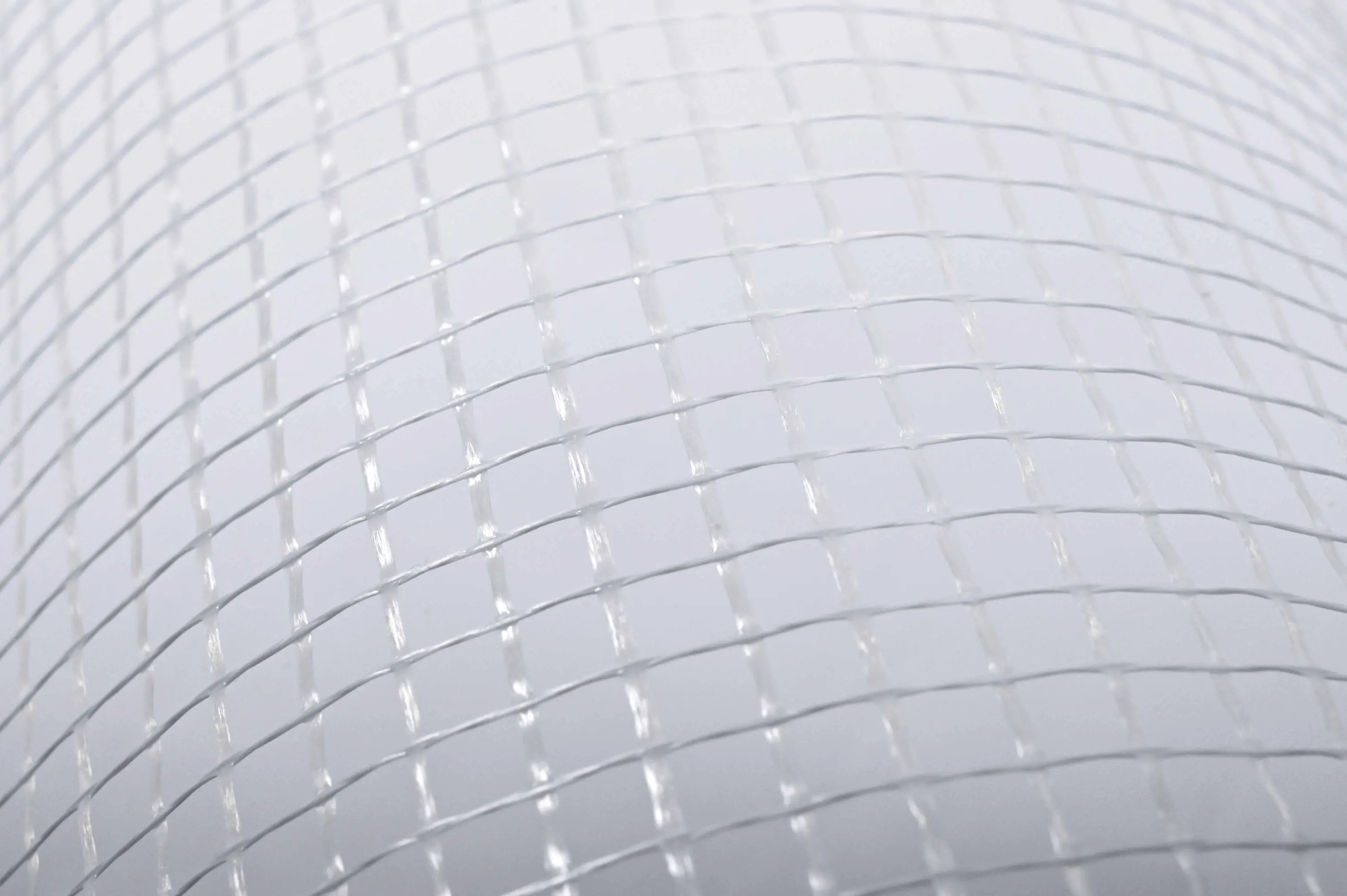
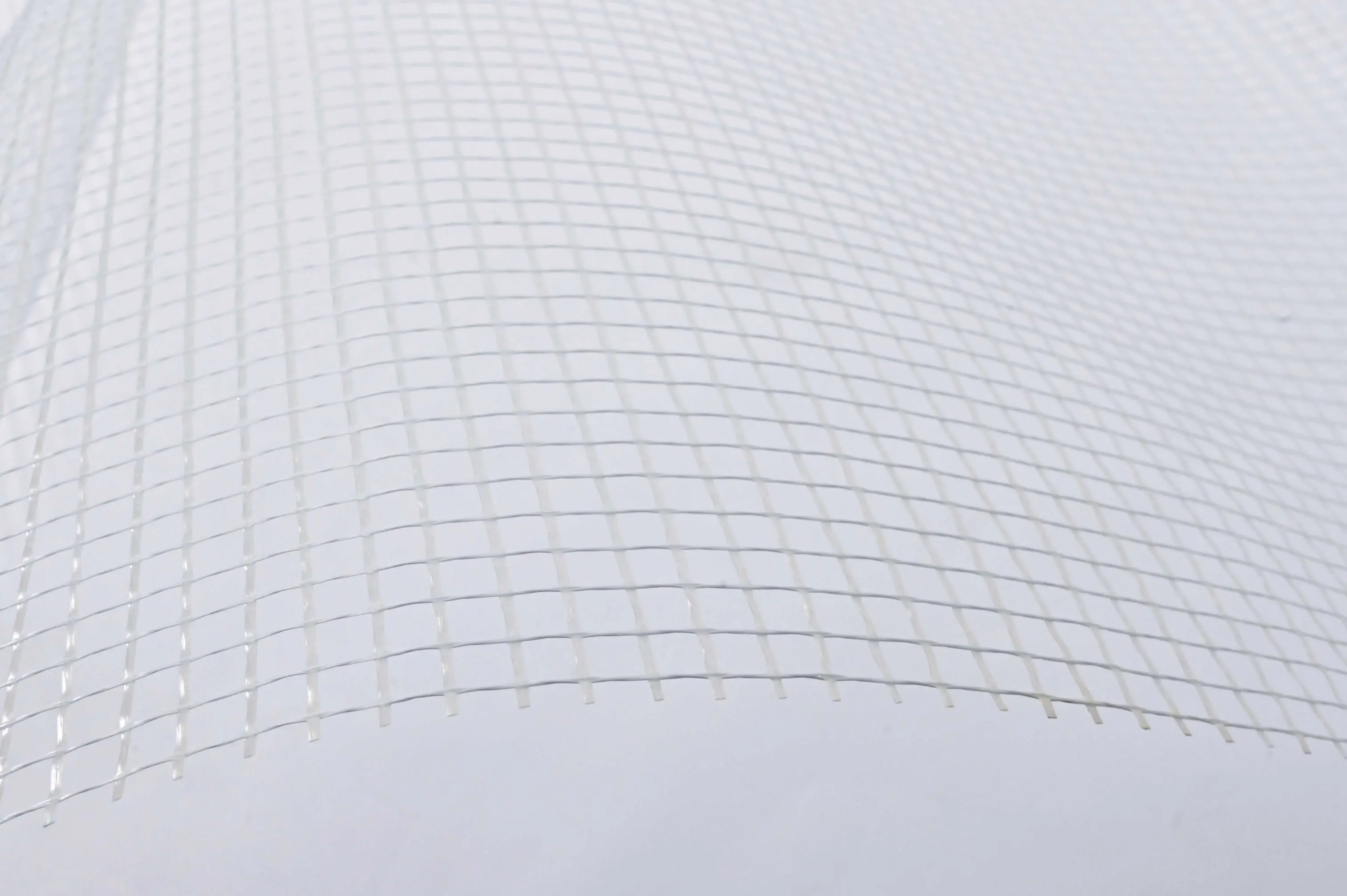
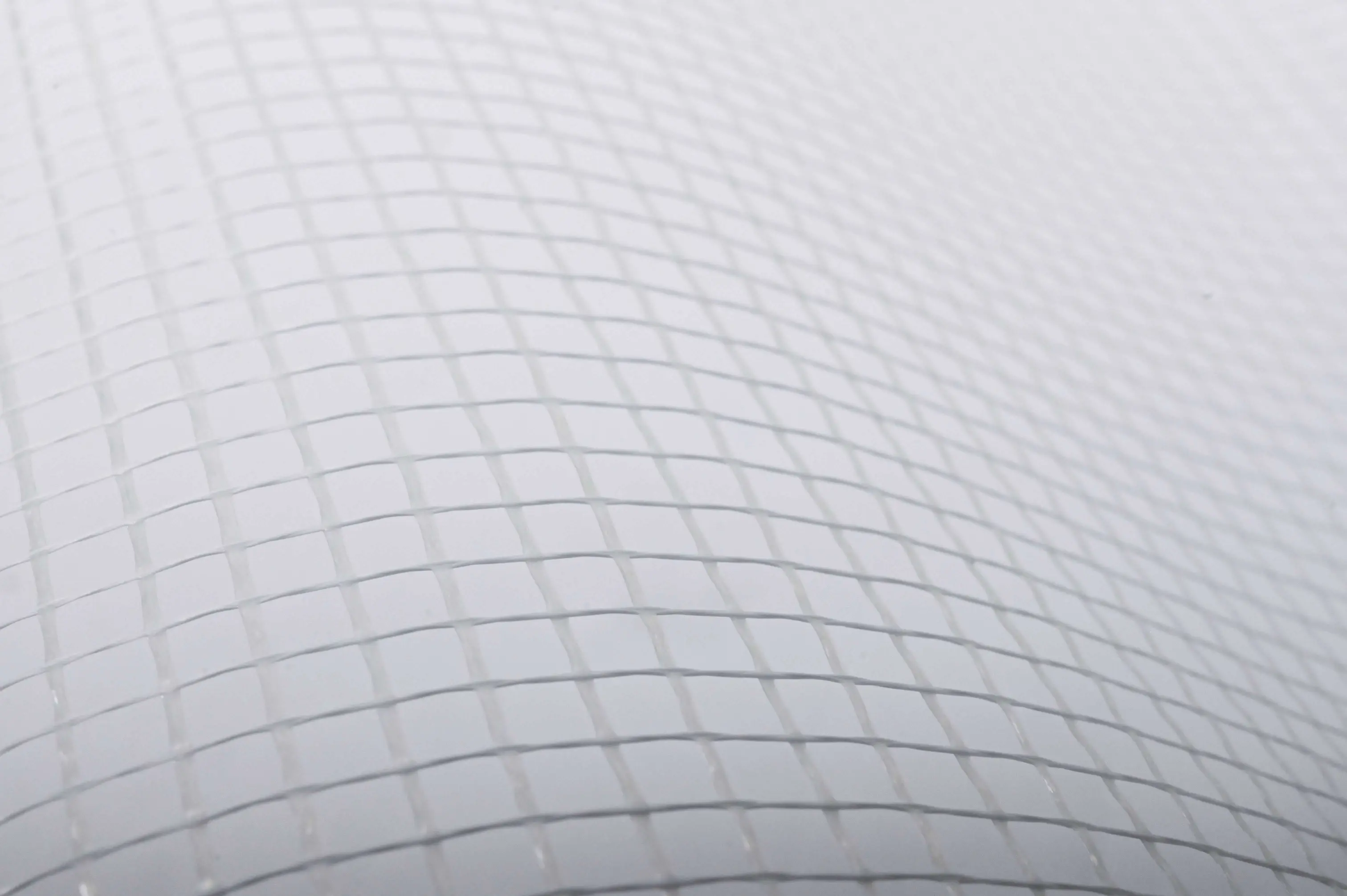

FLEX GRID standard
Tissu polyvalent, flexible et non corrosif
Le treillis de renfort standard FLEX GRID de Solidian est un treillis de renfort polyvalent conçu pour être utilisé dans les applications de façade et autres surfaces où la résistance aux alcalis n'est pas essentielle.
Ce treillis durable et léger offre une excellente stabilité et une excellente résistance aux fissures, ce qui le rend idéal pour renforcer le plâtre, le stuc et d'autres surfaces non alcalines dans les projets résidentiels et commerciaux.
Product Features
- Application polyvalente : convient à une large gamme de surfaces, notamment les façades et le renforcement général des murs.
- Léger et facile à installer : simple à manipuler, à couper et à appliquer sur diverses surfaces.
- Bonne résistance mécanique : offre une stabilité fiable et une résistance aux fissures dans les environnements non alcalins.
- Solution économique : fournit un renforcement essentiel sans avoir besoin de matériaux plus spécialisés résistants aux alcalis.
des renforts pour les générations futures
Reference project
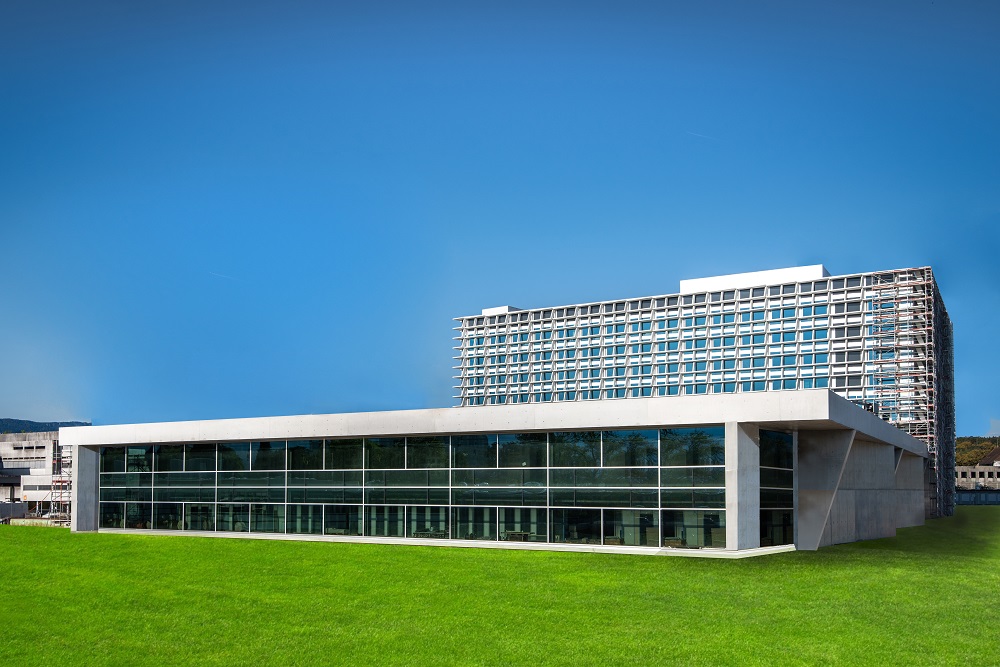
Hôpital municipal de Soleure
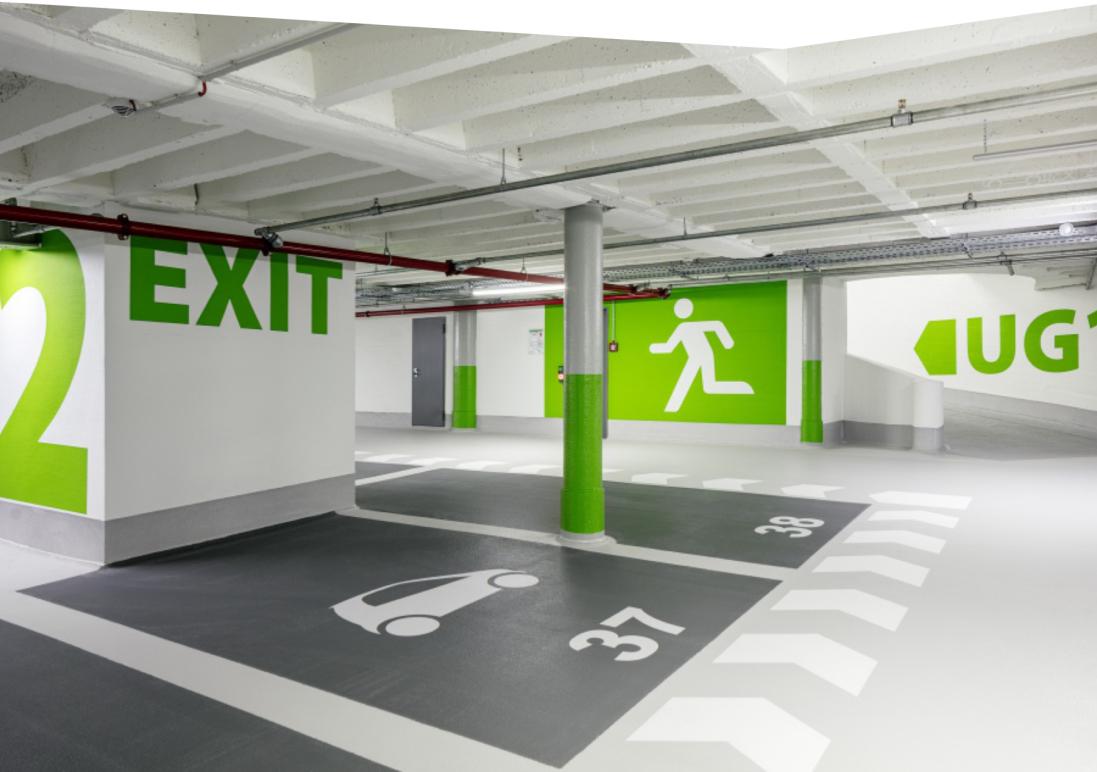
Parking souterrain Marquardtbau Stuttgart

Pont du Bosphore
Product Applications
Idéal pour les façades et le renforcement des surfaces
La grille Solidian FLEX GRID standard est parfaite pour renforcer :
- Façades : ajoute de la résistance et une résistance aux fissures aux applications extérieures de plâtre et de stuc.
- Renforcement des murs intérieurs : convient aux murs et cloisons non porteurs où une stabilité supplémentaire est nécessaire.
- Surfaces diverses : fournit un support pour les surfaces non exposées à une alcalinité élevée, telles que le plâtrage intérieur, les murs décoratifs et les cloisons sèches.
Ce treillis est un choix pratique pour les applications où un renforcement fiable est nécessaire sans le coût supplémentaire de la résistance aux alcalis.
- Amélioration des performances
- Manutention et logistique
- Conformité et compatibilité
- Application et installation
- Durabilité et résistance
- Durabilité et impact environnemental
- Is solidian GRID suitable for replacing corroded steel reinforcement?
- How does solidian GRID contribute to system durability when used with mortars?
- Can solidian GRID conform to curved surfaces during installation?
- How does the weight of solidian GRID affect transportation and installation?
- Is there an Environmental Product Declaration available for solidian GRID and solidian REBAR?
- Has solidian GRID received official building approvals?
- With which types of binders is solidian GRID compatible?
- Is solidian GRID approved for use in standard concrete applications?
- What is the minimum thickness required for concrete layers using solidian GRID?
- Can solidian GRID be used to reinforce existing concrete structures?
- What is the expected lifespan of solidian GRID in wastewater applications?
- How does solidian GRID perform in acidic environments?
- How does solidian GRID contribute to sustainable construction?
- Resource efficiency: By minimizing the need for extra concrete cover, solidian GRID conserves materials such as cement and aggregates, contributing to resource efficiency.
- Environmental Product Declarations (EPDs): solidian provides transparent data on the environmental impact of their products through EPDs, facilitating informed decision-making for sustainable building projects.
Solidian Kelteks - Reduced CO₂ emissions: The use of solidian GRID in construction can lead to significant reductions in CO₂ emissions due to decreased material usage and enhanced durability, which extends the lifespan of structures and reduces the need for repairs.
questions fréquemment posées
Yes, in cases where steel reinforcement has corroded, solidian GRID can serve as a substitute for structural reinforcement. The existing corroded steel can remain in place and be covered with a new layer of carbon-reinforced mortar, restoring structural integrity.
When combined with high-quality mortars, solidian GRID significantly enhances the overall durability of the system, providing a robust solution for demanding environments.
Yes, solidian GRID strikes a balance between stiffness and flexibility, allowing it to be applied to curved surfaces with diameters greater than 800mm.
The lightweight nature of solidian GRID facilitates easy transportation, even through sewage tunnels, and simplifies the installation process, reducing labor and equipment requirements.
Yes, a certified Environmental Product Declaration (EPD) is available for both solidian GRID and solidian REBAR. The EPD provides transparent and verified information about the environmental impact of these products throughout their life cycle, supporting sustainability assessments in construction projects.
Yes, solidian GRID has obtained the General Building Approval (abZ) from the German Institute for Building Technology (DIBt). This approval authorizes its use as carbon reinforcement grids in construction, ensuring compliance with national building standards.
solidian GRID is versatile and works with a range of binders, including Portland Cement, Calcium Aluminate Cements, and Geopolymer Cements.
solidian GRID holds German Approval as reinforcement for EN 206 concretes, supporting its compatibility with various mortar systems, including those adhering to DIN 19573.
Concrete layers reinforced with solidian GRID can be as thin as 20mm, as no additional concrete cover is needed to protect the reinforcement from corrosion.
Yes, solidian GRID can be applied as an additional layer over existing steel-reinforced concrete. When combined with solidian ANTICRACK, it offers enhanced crack-limiting properties, providing extra protection to the underlying steel reinforcement.
Classified under XWW4, solidian GRID ensures long-term performance for over 50 years, making it a durable choice for long-term infrastructure projects.
solidian GRID is fully resistant to severe acidic conditions, including environments with pH levels as low as 0. It has successfully passed tests in accordance with DIN 19573 standards for pH 0 and pH 1.
solidian GRID enables the design of thinner concrete layers (greater than 20mm) without requiring additional concrete cover for reinforcement protection. This reduction in material usage leads to lower resource consumption and a diminished environmental footprint, supporting more sustainable construction practices.
Additional information: