Durabilité inégalée et rentabilité optimale
Transformez les infrastructures en béton exposées à l'eau. Réduisez les coûts. Construisez pour les générations futures.
En savoir plus


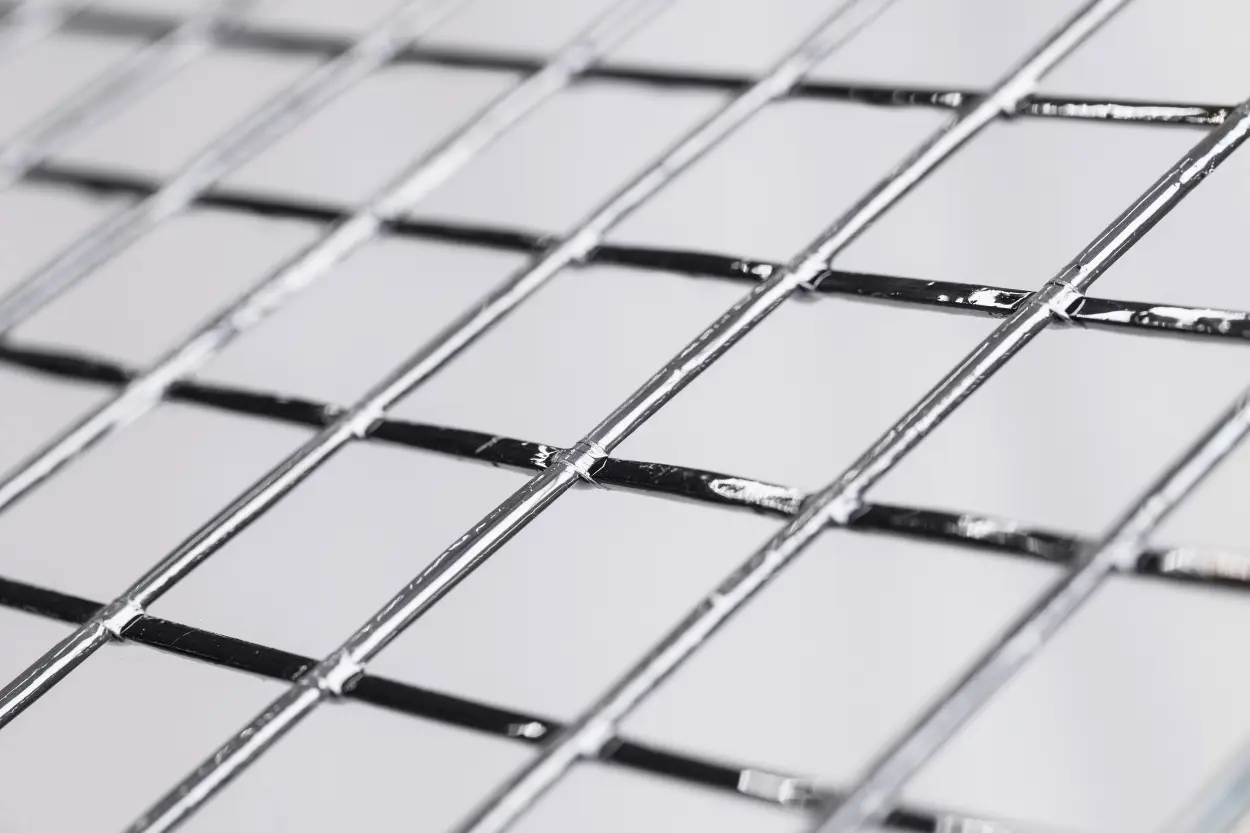
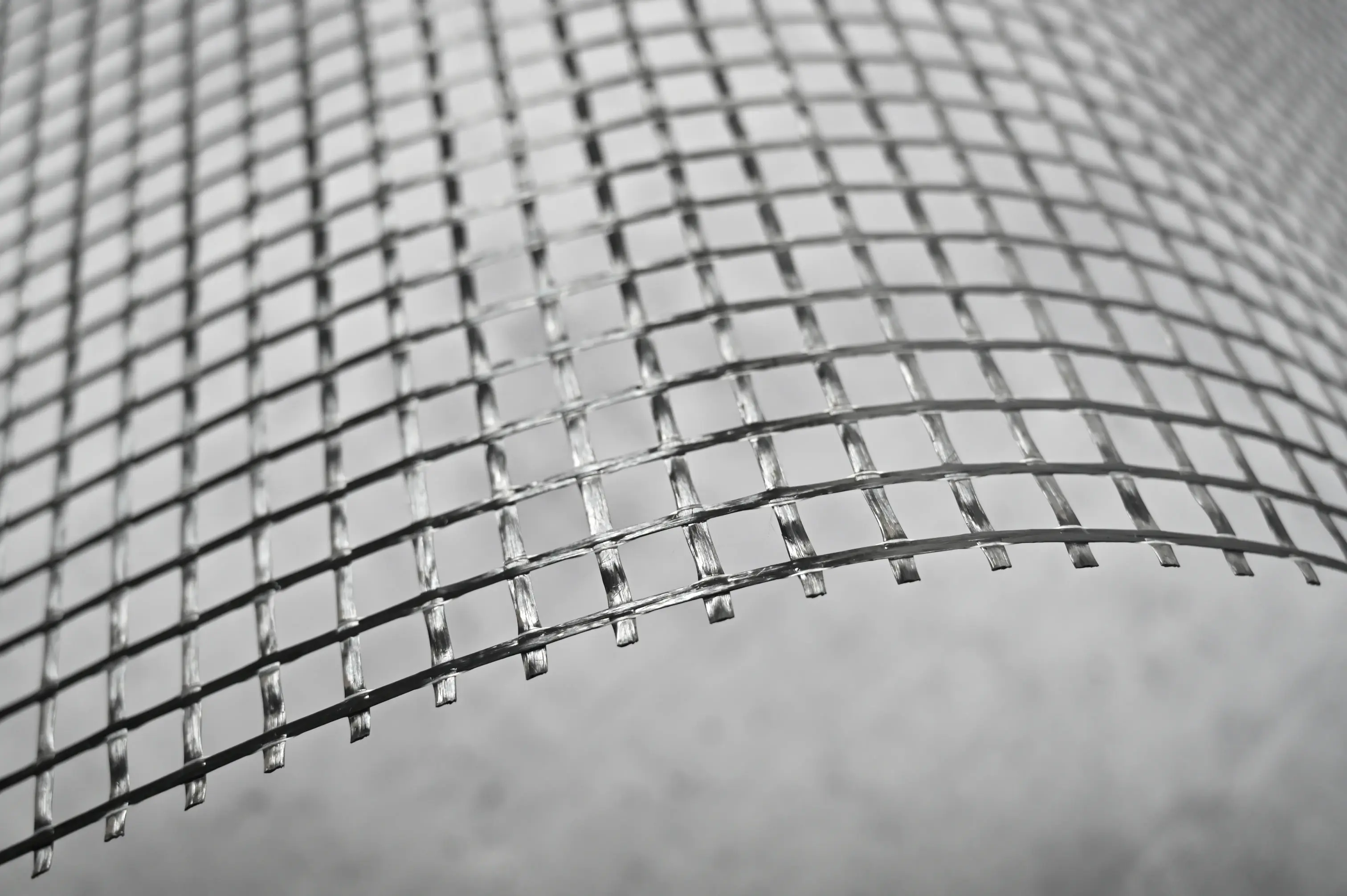
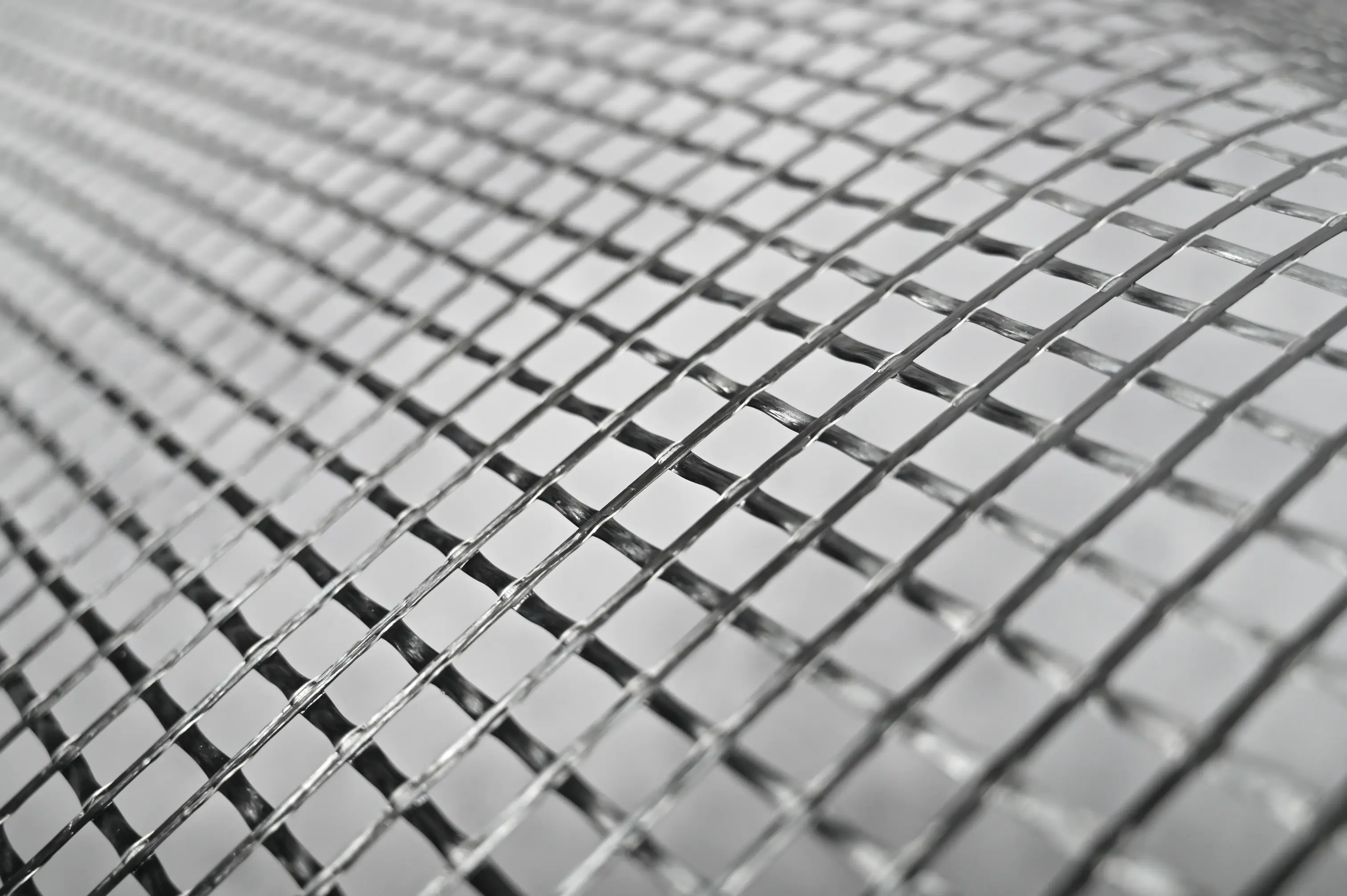
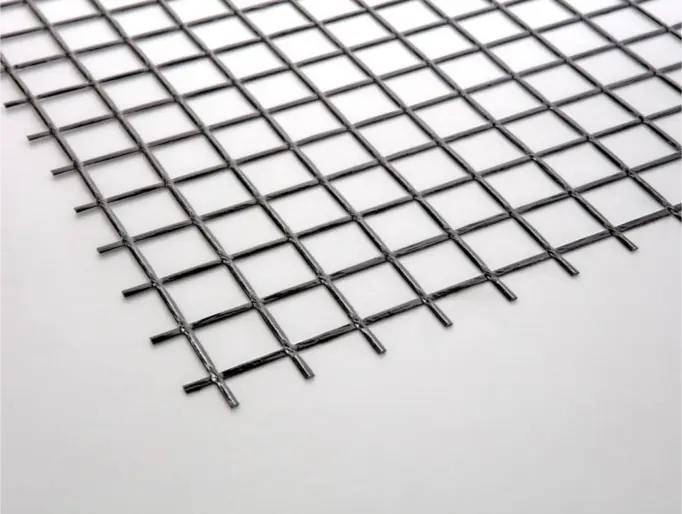
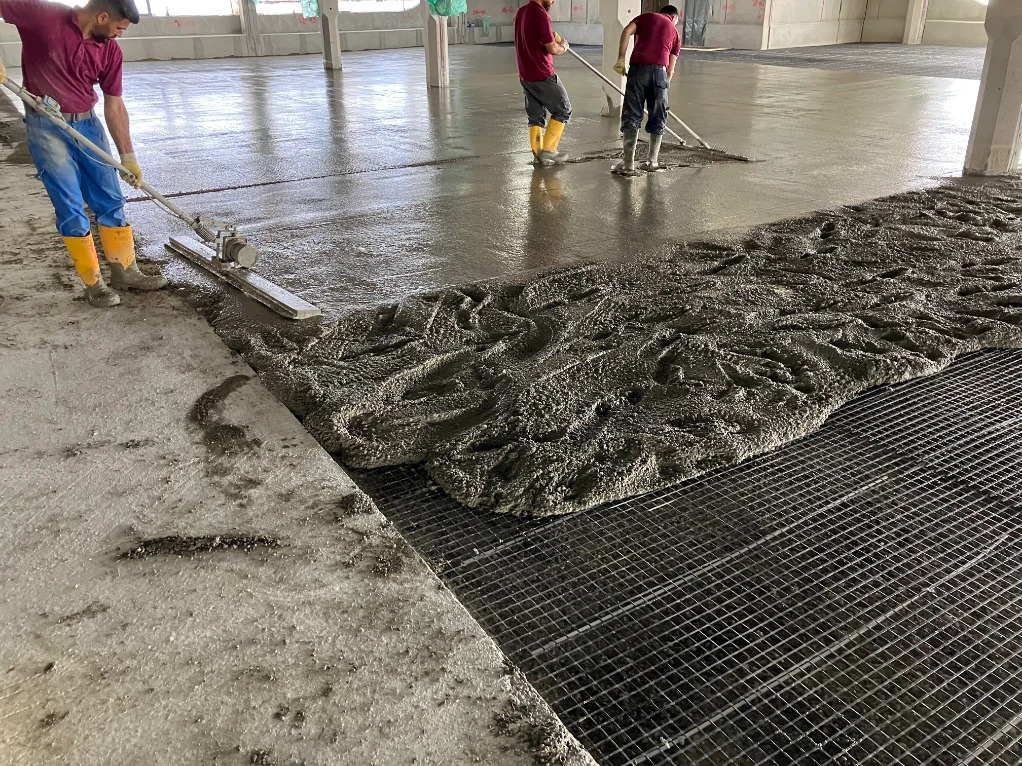
Our carbon grid reinforcement solidian GRID carbon has a tensile strength several times higher than classic steel reinforcement meshes. The carbon fiber composite reinforcement does not corrode and is extremely lightweight. These positive properties lead in part to considerable cost savings in construction, maintenance and repair. The lower material consumption (up to 50 % less water, aggregates and cement) when using our carbon reinforcement grid, as well as the great potential for saving on transportation costs and CO2 emissions, make it a truly sustainable solution. With solidian GRID, concrete goes from gray to green!
 solidian GRID is the first carbon reinforcement grid approved by the German Institute for Building Technology (DIBt) through a General Building Authority Approval (abZ) including a General Construction Technique Permit (aBG). Based on the abZ/aBG and the newly published DAfStb Guideline “Concrete Components with Non-Metallic Reinforcement”, solidian GRID reinforcement can be used as single-layer or multi-layer tensile reinforcement (up to 6 layers) in concrete components. Carbon reinforcement grids with an abZ/aBG are designated in accordance with the requirements of the DAfStb Guideline. Detailed information about the General Building Authority Approval can be found here on a dedicated page.
solidian GRID est le premier treillis d’armature en carbone approuvé par l’Institut allemand de la technique du bâtiment (DIBt) au moyen d’une Autorisation Générale de Construction (abZ), incluant une Autorisation Générale de Méthode de Construction (aBG). Sur la base de l’abZ/aBG et de la nouvelle directive DAfStb « Éléments en béton avec armatures non métalliques », solidian GRID peut être utilisé comme armature de traction monocouche ou multicouche (jusqu’à 6 couches) dans les éléments en béton. Les treillis d’armature en carbone disposant d’une abZ/aBG sont désignés conformément aux exigences de la directive DAfStb. Des informations détaillées sur l’Autorisation Générale de Construction sont disponibles ici sur une page dédiée.
Composants plus fins : Permet une construction élancée avec des possibilités de conception esthétique uniques.
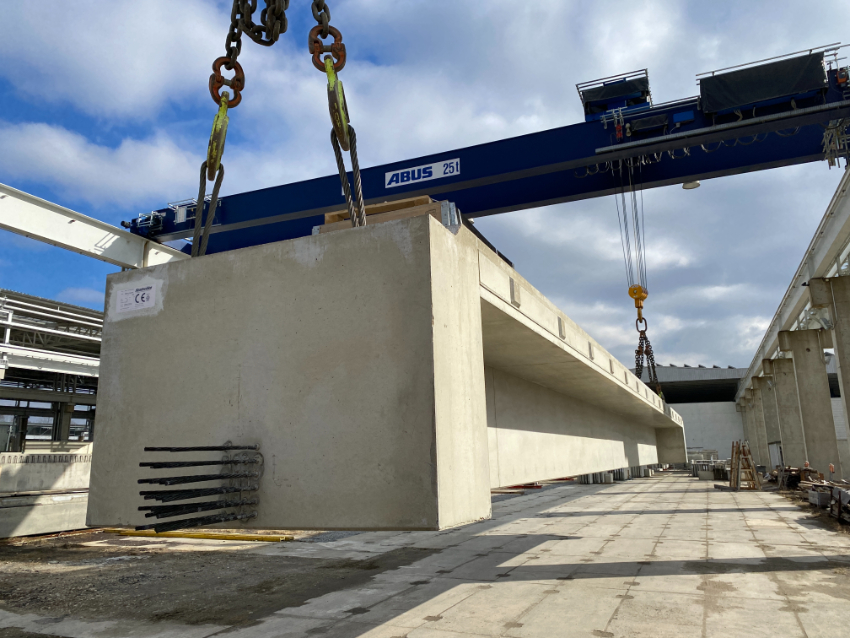
Coûts de transport et de stockage réduits : L'armature légère elle-même peut être transportée en rouleaux et permet d'obtenir des éléments préfabriqués en béton plus légers et plus fins.
Fléchissement : Pas de déflexion plus élevée des composants par rapport à l'acier en raison d'un module d'élasticité similaire.
Efficacité des ressources : Consommation de béton plus faible et donc moindre utilisation d'eau, de granulats et de ciment.
Manipulation plus sûre et plus facile : Le poids plus faible garantit une manipulation plus sûre et plus saine pendant le traitement.
Perturbation minimale des opérations : Moins de perturbations des opérations grâce à moins de travaux d'entretien et de réparation.
Ces propriétés font de notre armature non métallique le choix idéal pour les projets de construction modernes et durables.
Informations techniques
Matériau composite en fibres de carbone hautes performances
Également disponible en tant que renfort de grille avec homologation des autorités de construction
Résistance caractéristique à la traction à court terme : ≥ 2600 N/mm²
Disponible en différents niveaux de charge
Dimensions standard 6,0 x 2,30 m et disponible en rouleaux (< 3,0 m de largeur)
 Pour nos renforts en grille de carbone solidian, nous avons fait déterminer les propriétés environnementales pertinentes par des données neutres et objectives dans un EPD. Ces informations sont disponibles ici et dans la zone de téléchargement.
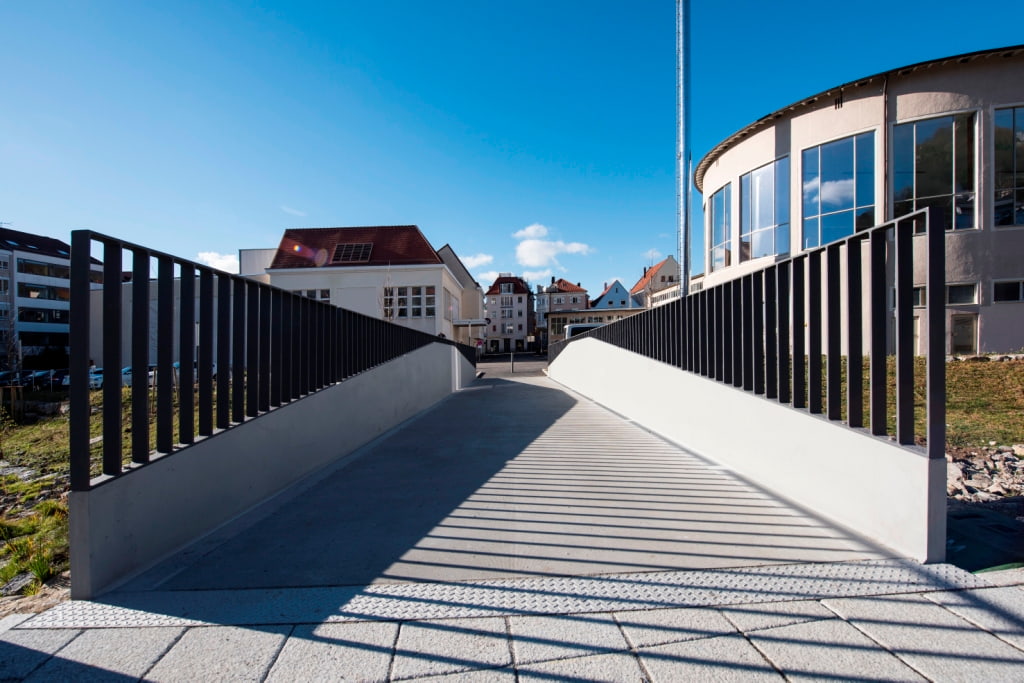

Yes, in cases where steel reinforcement has corroded, solidian GRID can serve as a substitute for structural reinforcement. The existing corroded steel can remain in place and be covered with a new layer of carbon-reinforced mortar, restoring structural integrity.
When combined with high-quality mortars, solidian GRID significantly enhances the overall durability of the system, providing a robust solution for demanding environments.
Yes, solidian GRID strikes a balance between stiffness and flexibility, allowing it to be applied to curved surfaces with diameters greater than 800mm.
The lightweight nature of solidian GRID facilitates easy transportation, even through sewage tunnels, and simplifies the installation process, reducing labor and equipment requirements.
Yes, a certified Environmental Product Declaration (EPD) is available for both solidian GRID and solidian REBAR. The EPD provides transparent and verified information about the environmental impact of these products throughout their life cycle, supporting sustainability assessments in construction projects.
Yes, solidian GRID has obtained the General Building Approval (abZ) from the German Institute for Building Technology (DIBt). This approval authorizes its use as carbon reinforcement grids in construction, ensuring compliance with national building standards.
solidian GRID is versatile and works with a range of binders, including Portland Cement, Calcium Aluminate Cements, and Geopolymer Cements.
solidian GRID holds German Approval as reinforcement for EN 206 concretes, supporting its compatibility with various mortar systems, including those adhering to DIN 19573.
Concrete layers reinforced with solidian GRID can be as thin as 20mm, as no additional concrete cover is needed to protect the reinforcement from corrosion.
Yes, solidian GRID can be applied as an additional layer over existing steel-reinforced concrete. When combined with solidian ANTICRACK, it offers enhanced crack-limiting properties, providing extra protection to the underlying steel reinforcement.
Classified under XWW4, solidian GRID ensures long-term performance for over 50 years, making it a durable choice for long-term infrastructure projects.
solidian GRID is fully resistant to severe acidic conditions, including environments with pH levels as low as 0. It has successfully passed tests in accordance with DIN 19573 standards for pH 0 and pH 1.
solidian GRID enables the design of thinner concrete layers (greater than 20mm) without requiring additional concrete cover for reinforcement protection. This reduction in material usage leads to lower resource consumption and a diminished environmental footprint, supporting more sustainable construction practices.
Additional information: