Durata e convenienza senza pari
Trasforma le infrastrutture in calcestruzzo esposte all'acqua. Risparmia sui costi. Costruisci per generazioni.
Per saperne di più


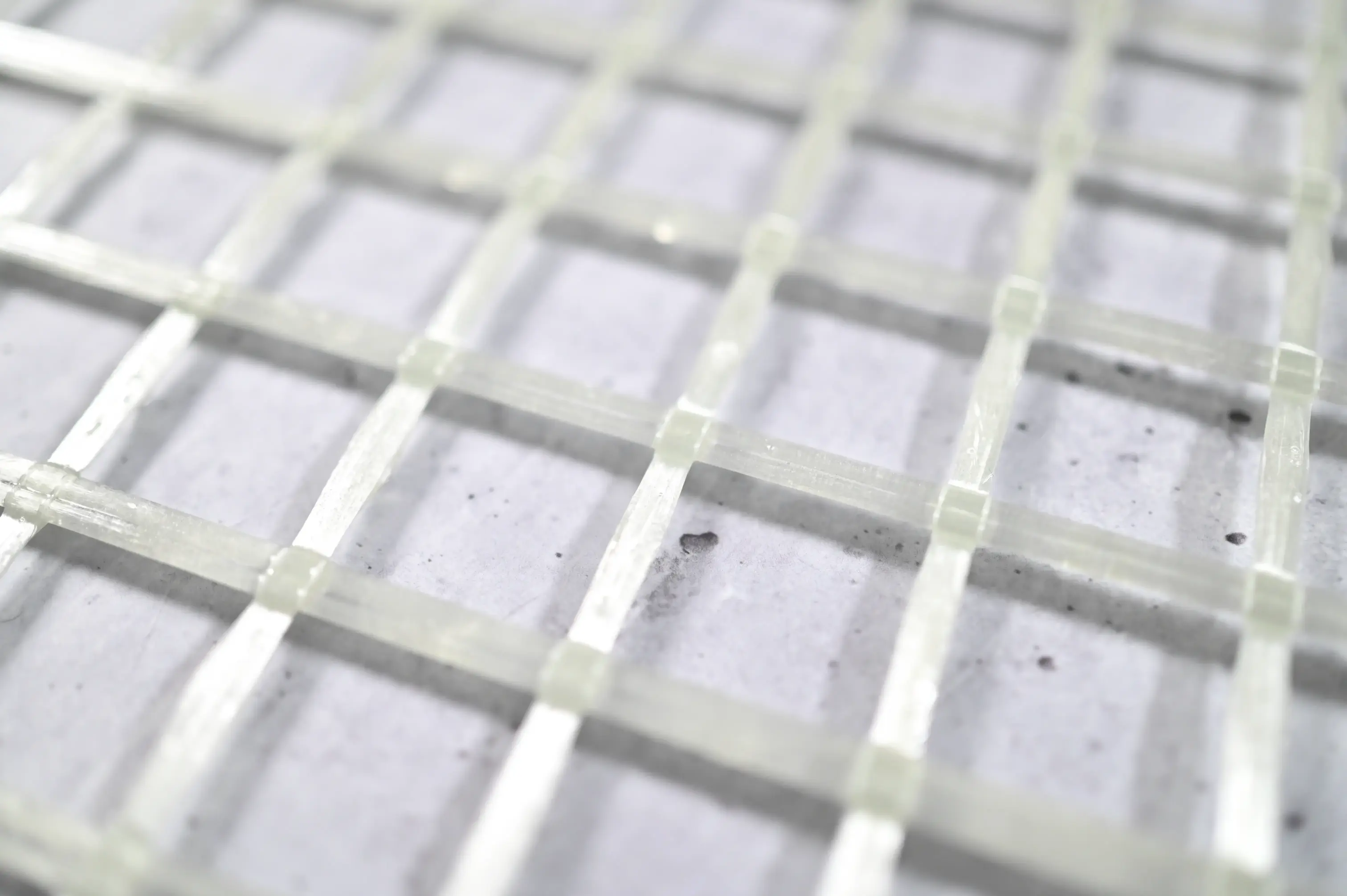
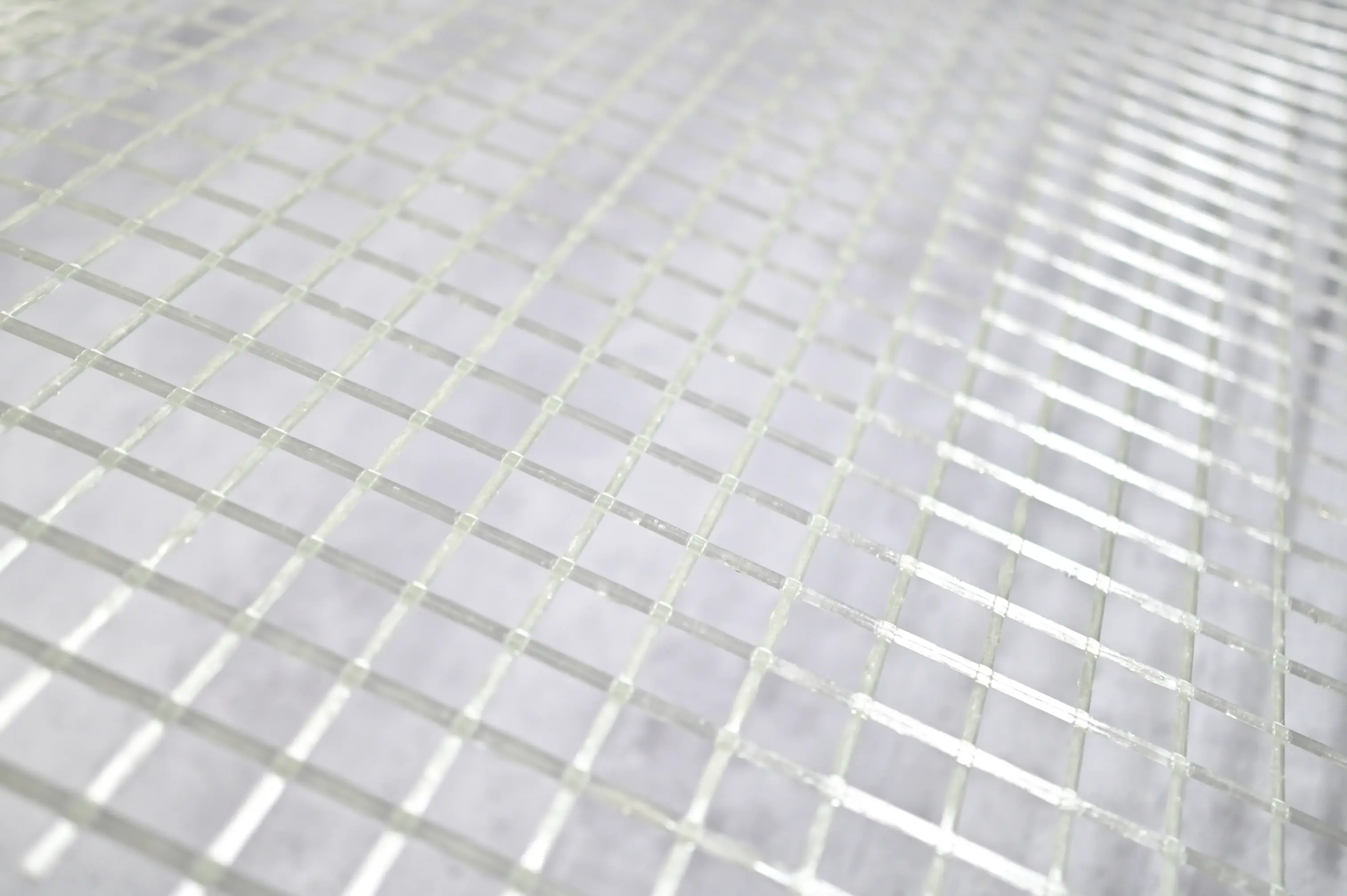
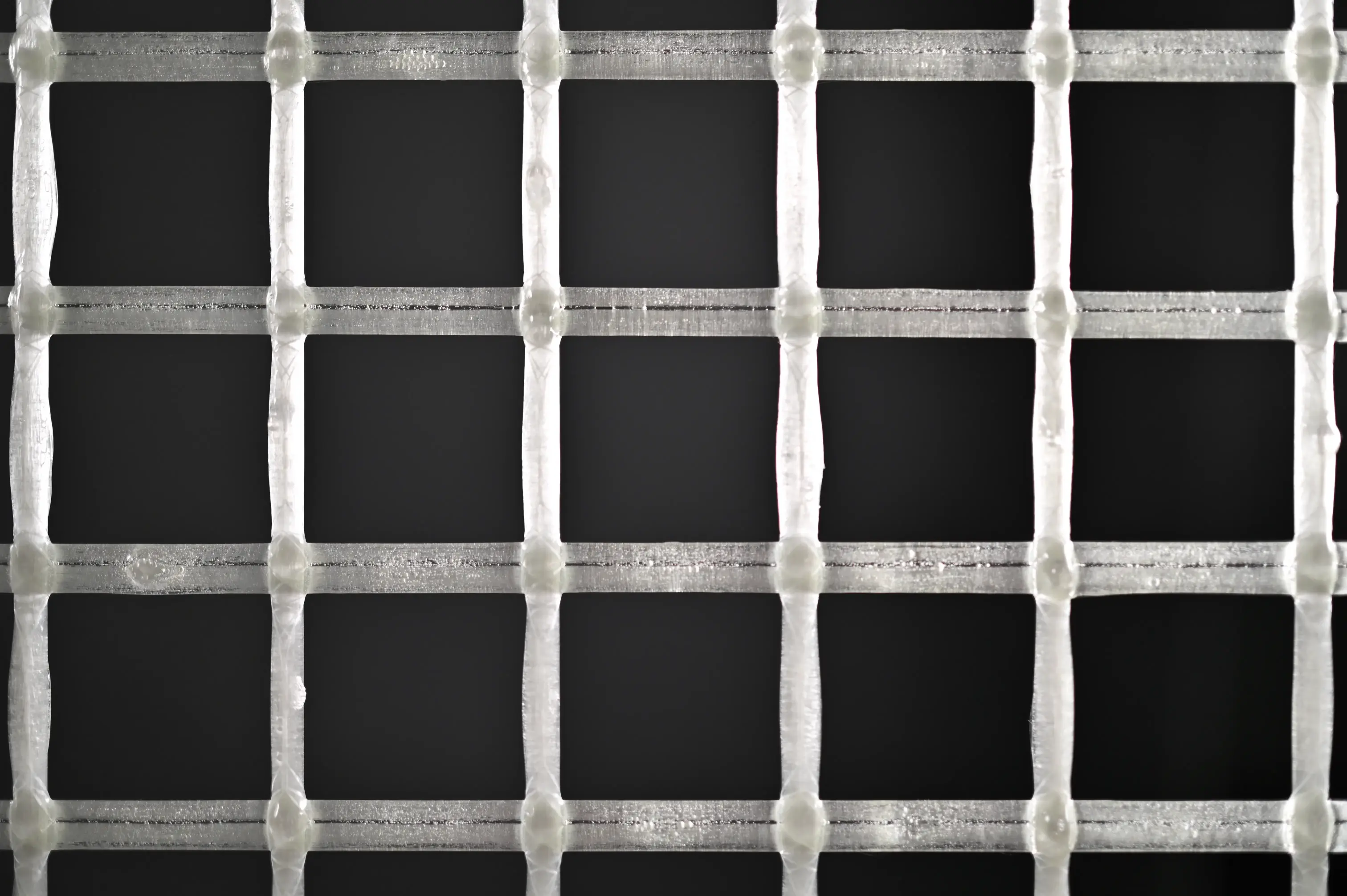
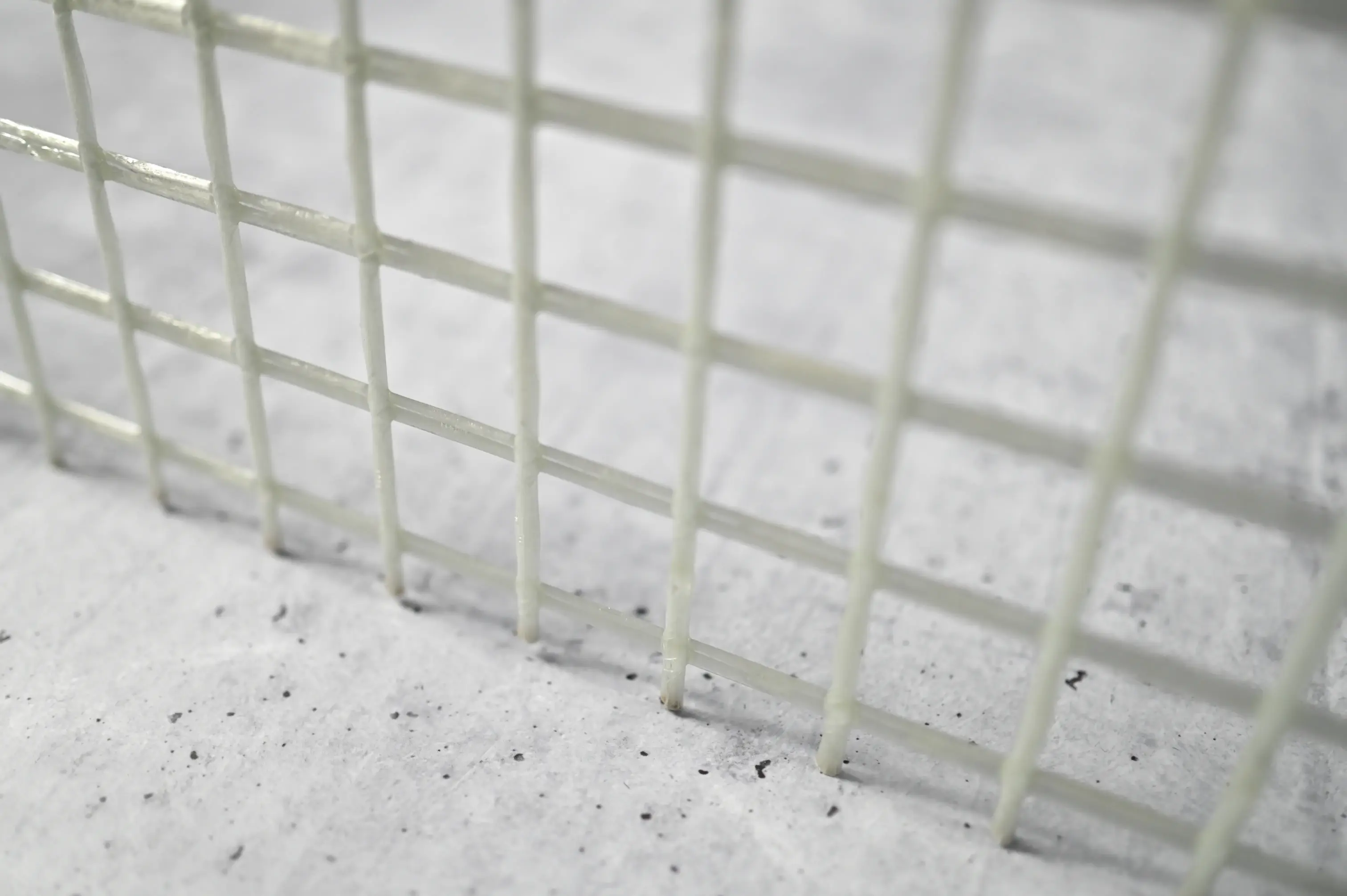
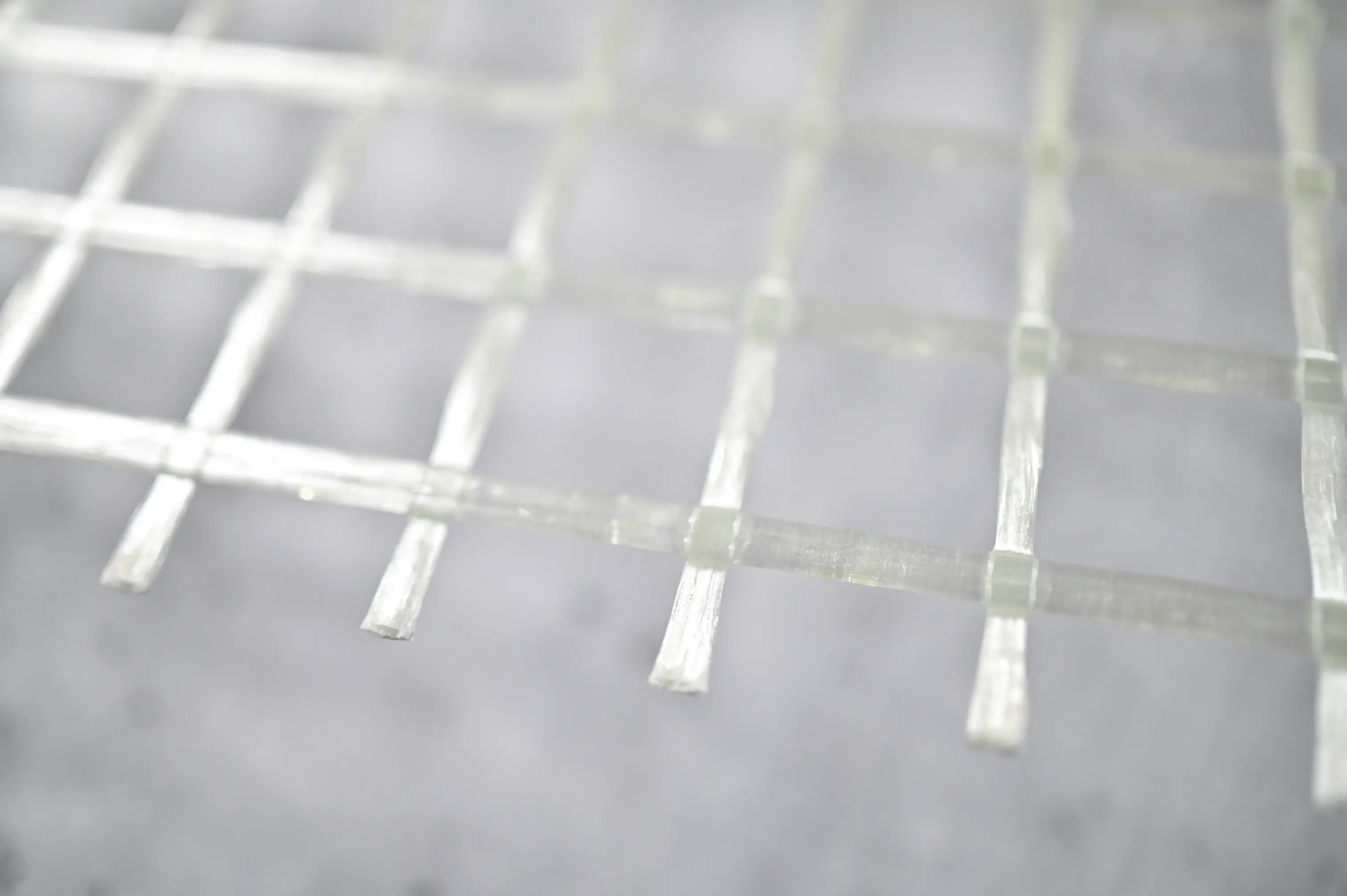
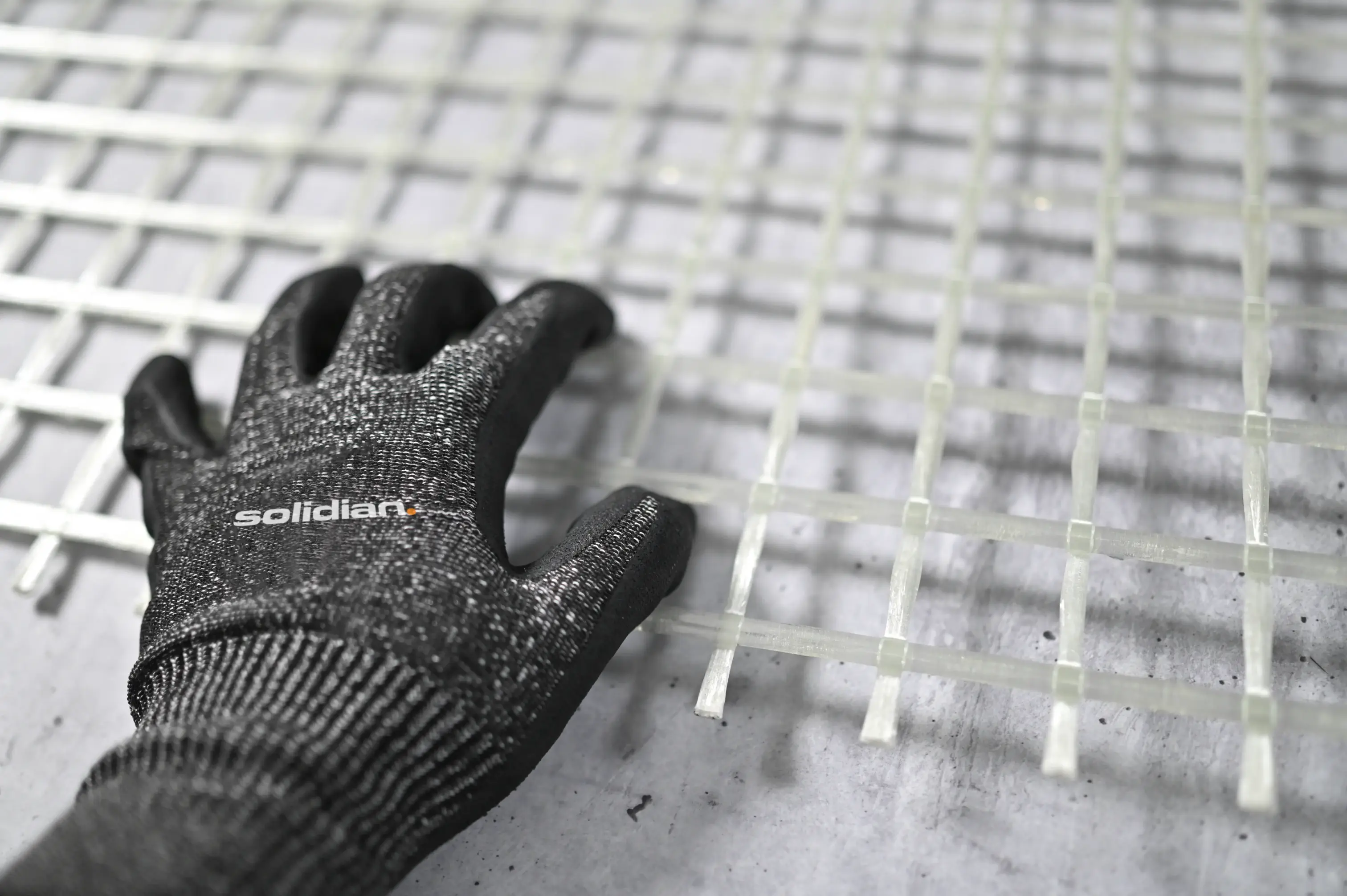
Il rinforzo in fibra di vetro Solidian GRID offre una soluzione all'avanguardia come rinforzo nel calcestruzzo, offrendo prestazioni e durata superiori rispetto ai materiali tradizionali come l'acciaio. Realizzato in fibre di vetro di alta qualità, il rinforzo è stato sviluppato per ottimizzare varie applicazioni del calcestruzzo. Quando scegli Solidian GRID Glass, ti assicuri una soluzione durevole, conveniente e sostenibile per le tue esigenze di rinforzo del calcestruzzo.
Minore copertura di calcestruzzo: rispetto ai metodi convenzionali, è richiesta una minore copertura.
Componenti più sottili: consente una costruzione snella con un design estetico.
Trasporto salvaspazio: trasporto efficiente sia della griglia di rinforzo che dei componenti in calcestruzzo.
Maggiore superficie calpestabile: massimizza l'area vendibile o affittabile del tuo edificio.
Efficienza delle risorse: riduce il consumo di calcestruzzo, ovvero acqua, ghiaia e cemento.
Movimentazione più sicura: il peso più leggero garantisce una movimentazione più sicura e sana durante la lavorazione.
Minore sforzo: riduce al minimo l'intervento in fase di funzionamento durante la manutenzione e la riparazione.
Nessuna induzione elettromagnetica: elimina i problemi associati al rinforzo in acciaio.
Queste proprietà rendono il nostro rinforzo non metallico una scelta ideale per progetti di costruzione moderni e sostenibili.
Yes, in cases where steel reinforcement has corroded, solidian GRID can serve as a substitute for structural reinforcement. The existing corroded steel can remain in place and be covered with a new layer of carbon-reinforced mortar, restoring structural integrity.
When combined with high-quality mortars, solidian GRID significantly enhances the overall durability of the system, providing a robust solution for demanding environments.
Yes, solidian GRID strikes a balance between stiffness and flexibility, allowing it to be applied to curved surfaces with diameters greater than 800mm.
The lightweight nature of solidian GRID facilitates easy transportation, even through sewage tunnels, and simplifies the installation process, reducing labor and equipment requirements.
Yes, a certified Environmental Product Declaration (EPD) is available for both solidian GRID and solidian REBAR. The EPD provides transparent and verified information about the environmental impact of these products throughout their life cycle, supporting sustainability assessments in construction projects.
Yes, solidian GRID has obtained the General Building Approval (abZ) from the German Institute for Building Technology (DIBt). This approval authorizes its use as carbon reinforcement grids in construction, ensuring compliance with national building standards.
solidian GRID is versatile and works with a range of binders, including Portland Cement, Calcium Aluminate Cements, and Geopolymer Cements.
solidian GRID holds German Approval as reinforcement for EN 206 concretes, supporting its compatibility with various mortar systems, including those adhering to DIN 19573.
Concrete layers reinforced with solidian GRID can be as thin as 20mm, as no additional concrete cover is needed to protect the reinforcement from corrosion.
Yes, solidian GRID can be applied as an additional layer over existing steel-reinforced concrete. When combined with solidian ANTICRACK, it offers enhanced crack-limiting properties, providing extra protection to the underlying steel reinforcement.
Classified under XWW4, solidian GRID ensures long-term performance for over 50 years, making it a durable choice for long-term infrastructure projects.
solidian GRID is fully resistant to severe acidic conditions, including environments with pH levels as low as 0. It has successfully passed tests in accordance with DIN 19573 standards for pH 0 and pH 1.
solidian GRID enables the design of thinner concrete layers (greater than 20mm) without requiring additional concrete cover for reinforcement protection. This reduction in material usage leads to lower resource consumption and a diminished environmental footprint, supporting more sustainable construction practices.
Additional information: