read all about it
In masonry design, meeting codes and standards is a given. Walls must satisfy structural requirements, comply with regulations, and pass inspections. For planners and investors, however, real performance is rarely judged at handover. It becomes visible years later - when cracks appear, moisture penetrates joints, or detailing decisions made early in the project start to affect maintenance, appearance, and user perception.
This gap between code compliance and lasting performance is where many long-term risks originate.
While structural design rightly focuses on the ultimate limit state, most issues that lead to complaints, repair costs, or disputes are not related to structural safety. They are serviceability problems - cracking above openings, long façade cracks, visible movement joints, or surface deterioration caused by moisture ingress. These issues may not compromise safety, but they directly affect durability, lifecycle costs, and the perceived quality of the building.
Cracks as a Serviceability and Investment Issue
From an investment perspective, cracks are rarely just an aesthetic concern. Once a crack forms, it becomes a pathway for moisture, salts, and freeze–thaw action. Over time, this accelerates degradation and leads to recurring maintenance, corrective works, and unplanned costs.
For planners and investors alike, this means that early design decisions influence not only construction quality, but also long-term asset value. Walls that remain visually intact and stable over decades reduce maintenance risk, preserve appearance, and protect the overall performance of the building envelope.
Small Detailing Decisions with Long-Term Impact
Many long-term masonry issues are not caused by major design flaws, but by small detailing choices that receive limited attention during planning. How stresses are transferred around openings, whether reinforcement is continuous, how close it is placed to critical zones, and how materials behave inside the mortar joint over time all play a decisive role.
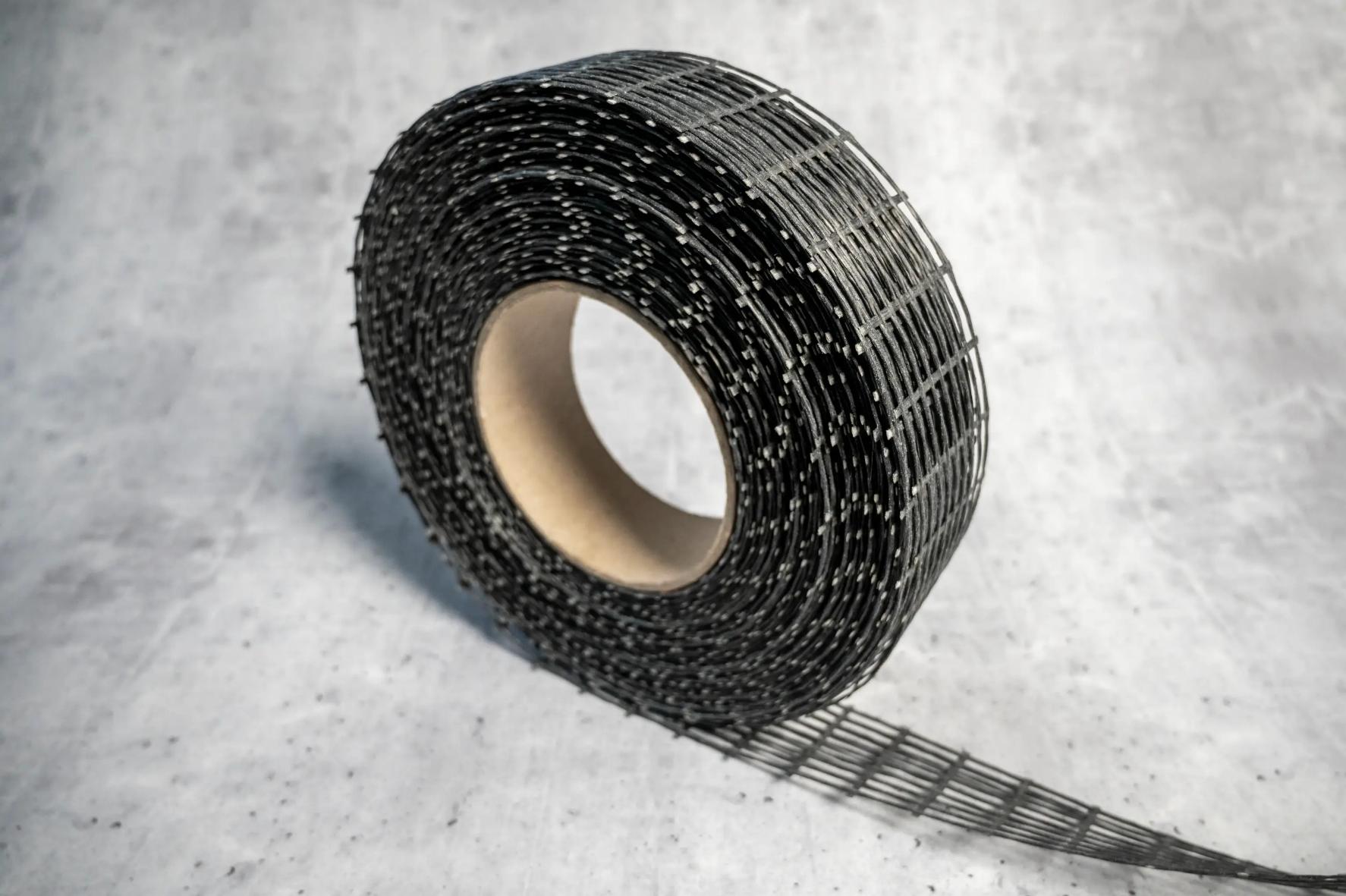
Bed joint reinforcement fits precisely into this category. It is rarely a headline design element, yet it has a significant influence on how masonry walls behave under everyday conditions. Used correctly, it supports serviceability by distributing tensile stresses, controlling crack formation, and stabilizing masonry panels under both in-plane and out-of-plane actions, without changing the overall construction concept.
Designing for the Wall You Will Own Years Later
Over the life of a building, the environment inside the mortar joint is anything but static. Reinforcement is exposed to moisture migration, temperature variations, chemical influences from the mortar matrix, and repeated load cycles. Materials that perform adequately at the start of a project may behave very differently after years of exposure.
This is where material selection becomes a strategic decision. Non-corrosive reinforcement solutions such as solidian Briksy align naturally with a long-term planning and investment mindset. By remaining stable inside the mortar joint and avoiding corrosion-related degradation, solidian Briksy supports serviceability performance throughout the wall’s lifecycle. It allows planners and designers to address cracking risks and detailing around openings and exposed zones with a reinforcement concept that supports durability goals, without altering established masonry design principles.
Designing for long-term performance ultimately means designing for the wall that will still be there, and still perform, long after handover. For planners and investors, these often-overlooked detailing decisions are what protect value, reduce risk, and ensure that buildings age as intended.
build solid.