read all about it
Concrete repair with solidian ANTICRACK
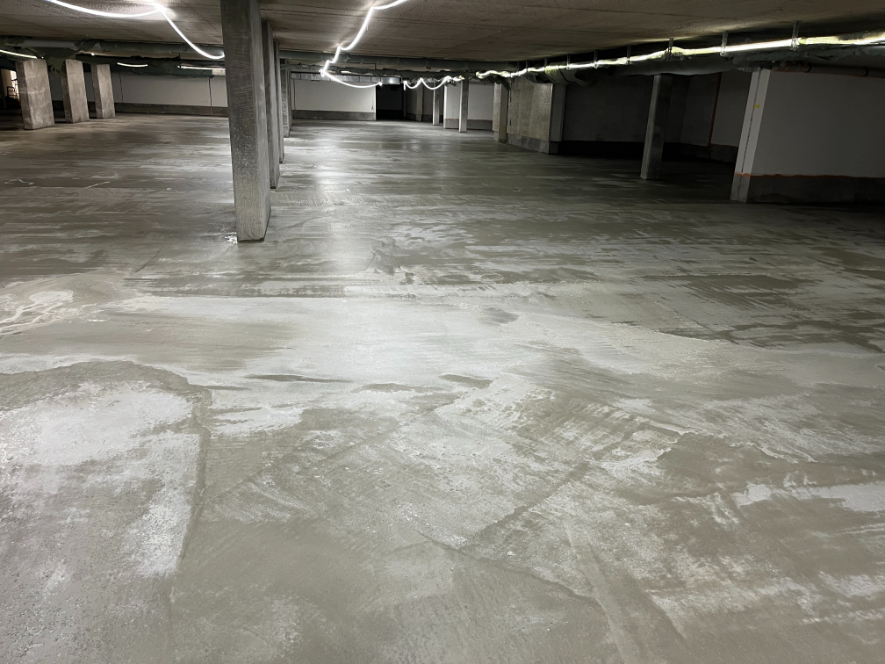
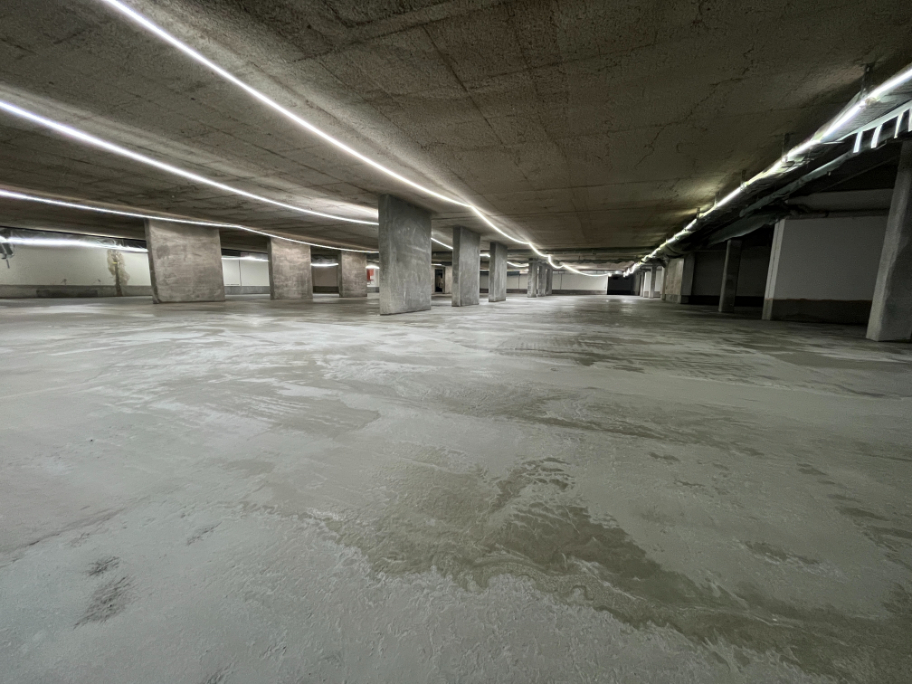
The refurbishment of the underground car park at Reeperbahn 18 in Hamburg–Elmshorn represents a demanding rehabilitation project that clearly demonstrates how modern carbon reinforcement can economically and technically outperform conventional repair methods. The objective was the sustainable extension of the service life as well as the permanent assurance of structural load-bearing capacity and usability.
Technical Data
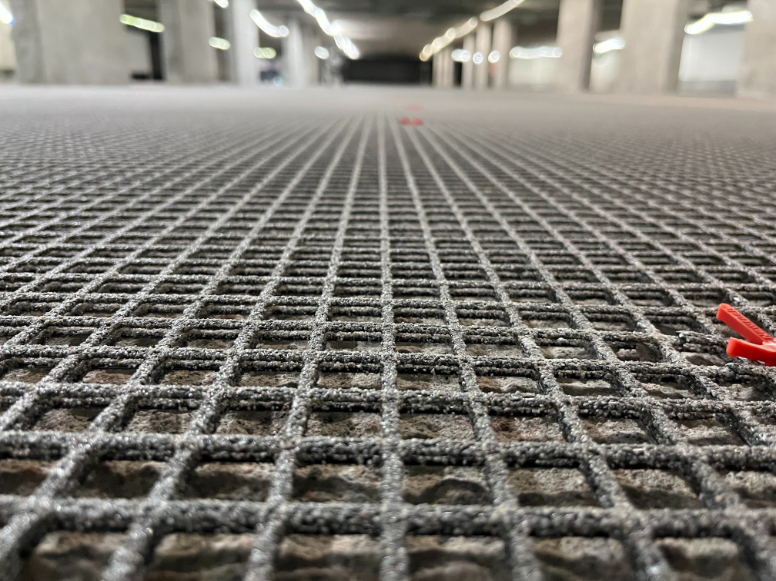
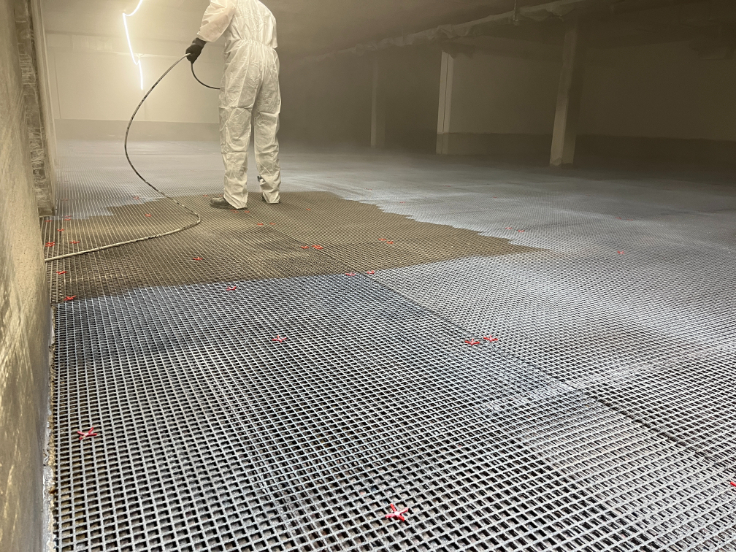
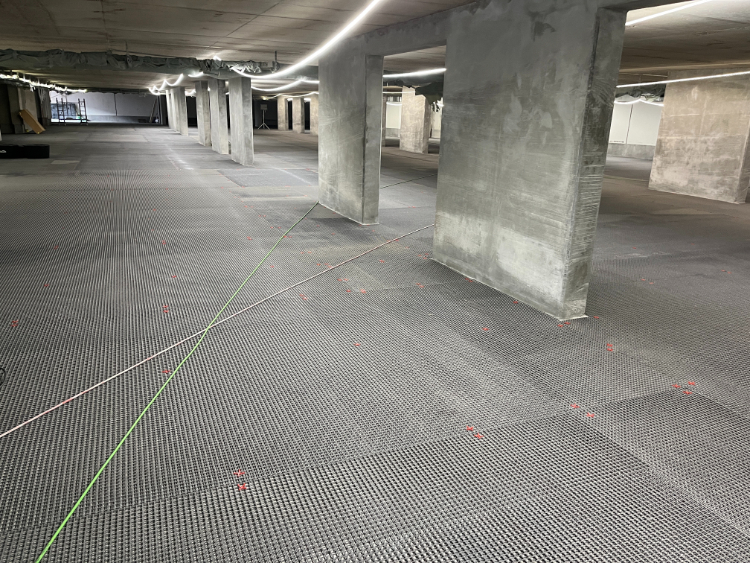
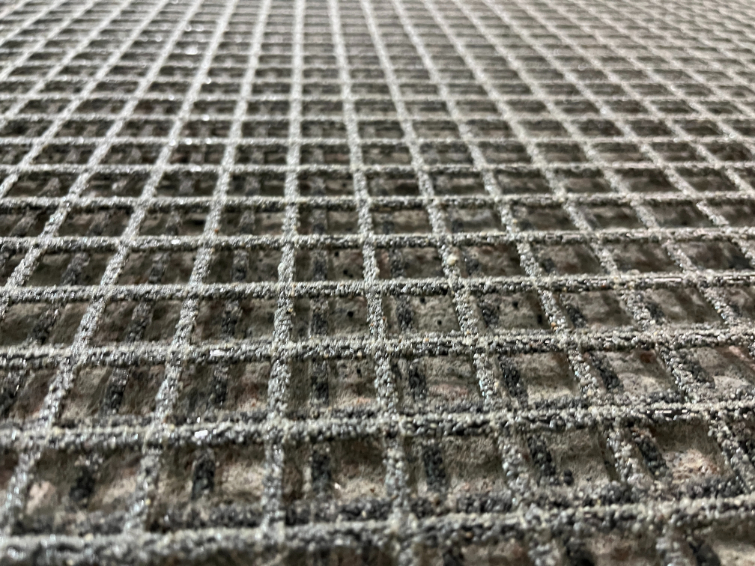
- Reinforcement: 2 layers of solidian ANTICRACK carbon reinforcement
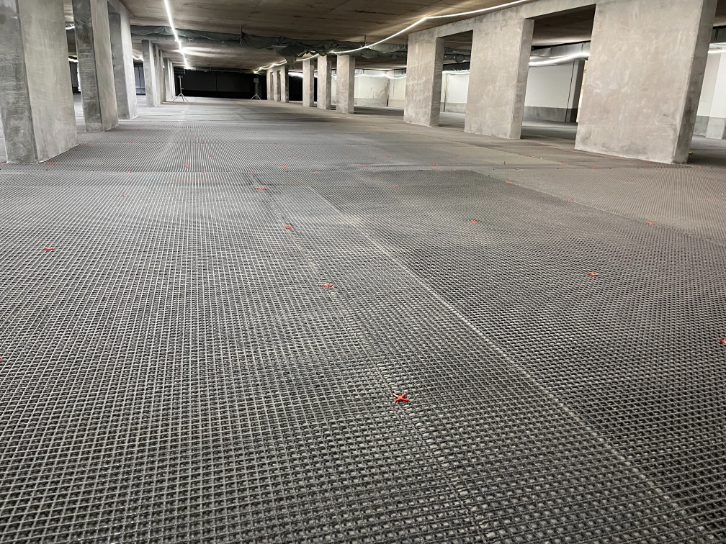
- Total quantity of carbon reinforcement: approx. 8,000 m²
- Refurbishment method: Removal of damaged concrete and demolition of the corroded steel reinforcement
Cost-efficient surface rehabilitation with high performance
Thanks to the significantly improved crack width distribution achieved with solidian ANTICRACK, the cost-intensive surface protection system OS 11–14 could be replaced by the more economical OS 8 system.
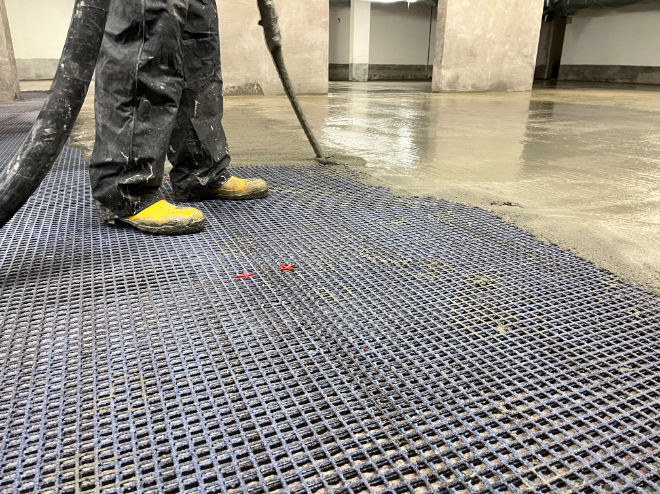
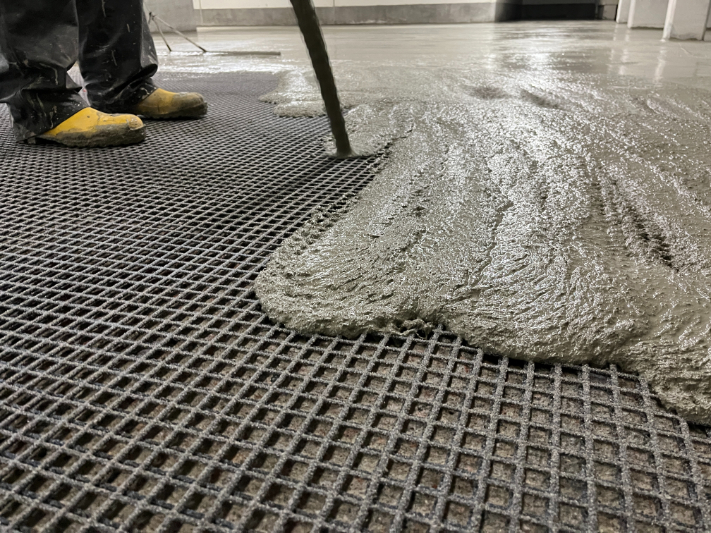
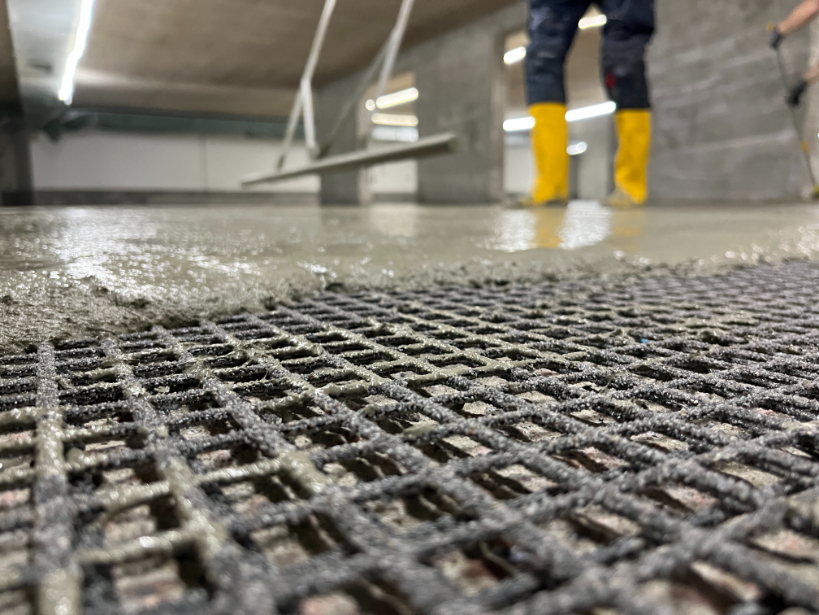
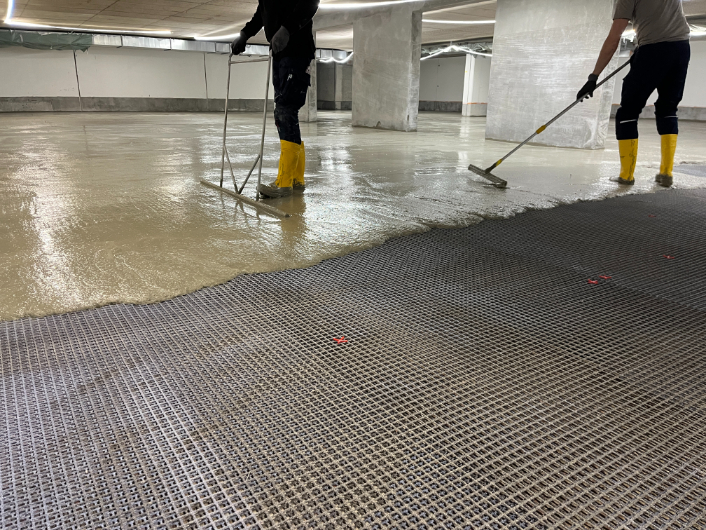
The reinforcement was supplied in roll form using the solidian CARGO system. This system enabled a highly efficient installation process:
- rapid unrolling of several meters of reinforcement
- easy cutting and placement
- minimal number of reinforcement overlaps
The significantly accelerated construction progress directly resulted in an earlier reopening of the underground car park.
The self-flowing repair mortar weber.floor 4640 Outdoor RepFlow was used, featuring excellent flow properties, high early and final strengths, and outstanding resistance to mechanical and environmental influences.

Key reasons for choosing solidian ANTICRACK carbon reinforcement
The decision to use solidian ANTICRACK was based on clear technical advantages:
- high tensile strength and high strengthening efficiency
- crack-distributing and sealing effect
- excellent long-term load-bearing behavior
- very fast and easy installation
- corrosion and oxidation resistance
Due to its complete corrosion resistance, the reinforcement can also be installed near the surface, enabling particularly slender repair layers.
The particularly favorable crack behavior is influenced by several factors:
- High reinforcement ratio (ratio of carbon cross section to concrete cross section)
→ higher carbon stresses can be absorbed within the crack - Excellent bond quality between carbon and concrete
→ higher bond stresses
→ smaller crack spacing
→ significantly more, but much finer cracks
→ substantial reduction of crack widths - Large surface area of the reinforcement
→ higher bond forces between carbon and mortar
The result is a homogeneous, dense, and permanently durable carbon concrete layer.
Project Partners
The successful implementation of the project was achieved in cooperation with experienced partners:
- Koch Carbon Consulting GmbH
- voplan Ingenieure GmbH
- Saint-Gobain Weber GmbH
- Geiger Bauwerksanierung
- Züblin
Photos: © Koch Carbon Consulting GmbH