read all about it
As the automotive industry accelerates its shift toward sustainability, manufacturers are actively exploring greener alternatives to traditional materials. Flax has long been considered an eco-friendly fiber, but its reliance on agricultural land and fluctuating costs pose challenges. Could viscose fabric be the solution?
To explore this possibility, we spoke with Sanja Lončar, a composite product manager. In this interview, we uncover the strengths of viscose fabric, its potential applications in the automotive sector, and how it compares to flax in terms of performance, sustainability, and cost.
How Does Viscose Fabric Compare to Flax in Automotive Applications?
Both materials have their advantages, but they serve different needs. Viscose has significantly higher specific strength than flax, comparable to E-glass fibers, making it a superior choice for applications requiring durability and load resistance. While flax is a natural fiber, it does not possess high strength and its quality can vary due to seasonal agricultural factors.
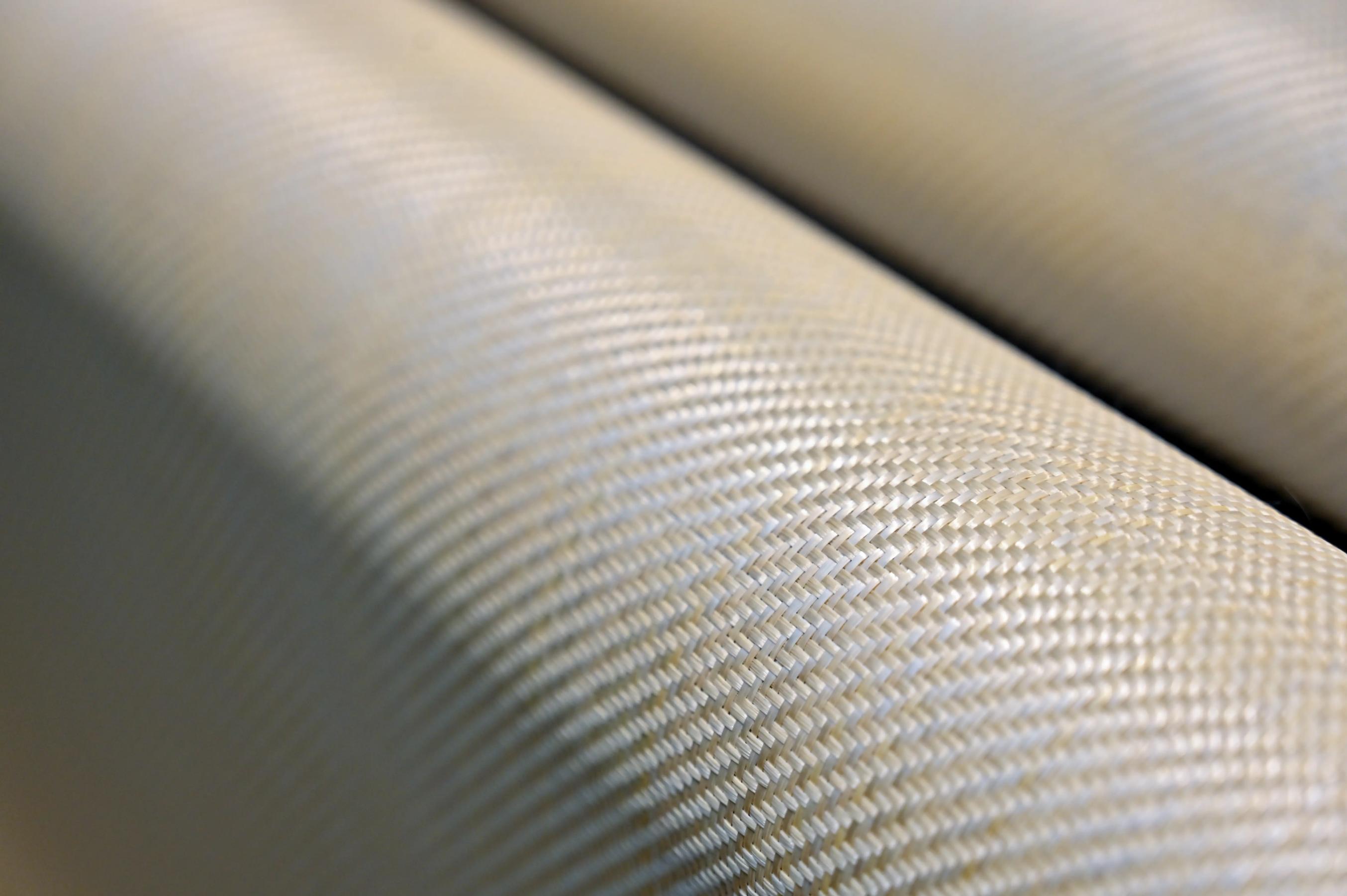
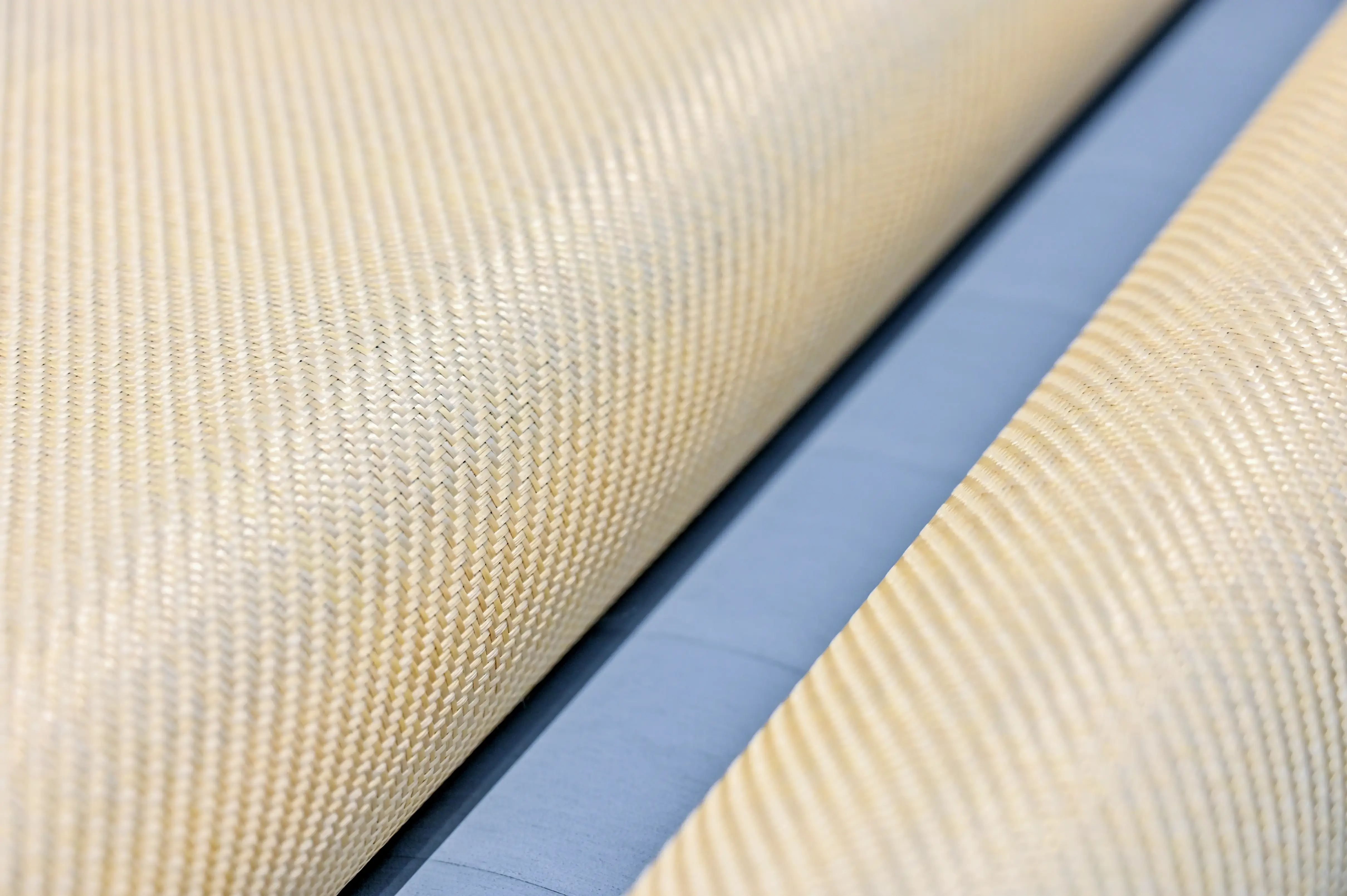
Viscose fabric, on the other hand, is industrially produced, ensuring stable quality and supply. It has a softer, smoother texture, making it a superior choice for automotive interiors, where aesthetics and comfort are essential. Additionally, viscose is more versatile—it blends easily with other fibers, enhancing elasticity, durability, and moisture-wicking properties.
What Are the Key Advantages of Viscose Fabric Over Flax?
There are several reasons why viscose fabric is gaining traction in automotive applications:
- Superior Strength & Durability – Viscose fabric has a much higher specific strength than flax, ensuring better performance in demanding automotive applications.
- Stable Supply & Consistent Quality – Unlike flax, which depends on land availability and seasonal harvests, viscose fabric is industrially produced, ensuring reliable sourcing and uniform quality.
- Aesthetic & Comfort Benefits – Viscose has a smooth, soft texture, making it a more luxurious and visually appealing material for car upholstery, seat covers, and interior trims.
- Technical Performance – Viscose fabric can be engineered for specific automotive needs, including moisture control, high elasticity, and enhanced vibration damping. Additionally, our tests confirm that viscose is less flammable than flax, improving material safety without the need for harmful chemical treatments.
- Sustainability – Made from certified wood pulp, viscose fabric is biodegradable, requires less water, and no pesticides.
In Which Automotive Applications Is Viscose Fabric Most Effective?
Viscose fabric is already being used in several key automotive applications:
- Car Interiors: Used for upholstery, seat covers, and headliners, providing a comfortable and breathable solution. Tests show that viscose is less flammable than flax, making it a safer material choice for vehicle interiors.
- Reinforcement in Rubber Components: Found in tires, conveyor belts, and hoses, where it improves strength and flexibility.
- Eco-Friendly Composite Materials: Integrated into lightweight panels and interior trims, contributing to lower vehicle weight and improved fuel efficiency.
How Does Viscose Fabric Support Sustainability in the Automotive Industry?
Viscose fabric is a game-changer for sustainability. It is biodegradable, recyclable, and produced from renewable sources. Unlike flax, which competes for farmland and requires significant water and pesticide use, viscose fabric is made from certified wood pulp in controlled production environments.
Furthermore, emerging closed-loop production methods are making viscose fabric even more eco-friendly by recycling solvents and reducing waste.
What Is the Future of Viscose Fabric in Automotive Applications?
As automakers continue to shift towards sustainable materials, viscose fabric is becoming an increasingly attractive choice. Its soft texture, technical versatility, and eco-friendly credentials position it as an ideal alternative to flax in both functional and aesthetic applications.
With ongoing advancements in fiber engineering and recycling technologies, we expect to see even more widespread adoption of viscose fabrics in automotive design.
Conclusion
Viscose fabric is proving to be a versatile, cost-effective, and sustainable alternative to flax in the automotive industry. With consistent quality, superior aesthetics, and a lower environmental impact, it is an ideal solution for manufacturers looking to enhance both performance and sustainability in their vehicles.
Would you like to explore how viscose fabric can elevate your automotive materials strategy?
If you're looking for a sustainable, high-performance fabric that combines durability, comfort, and eco-friendliness, get in touch with us. We provide premium viscose fabrics designed for automotive interiors, reinforcement applications, and technical textiles, ensuring exceptional quality and long-lasting performance.
👉 Stay ahead with the latest insights! Subscribe to our newsletter below to receive updates on new blog posts — delivered straight to your inbox.