
GRID carbon
Corrosion-free.
High tensile strength.
Minimal concrete coverage.
High tensile strength.
Minimal concrete coverage.
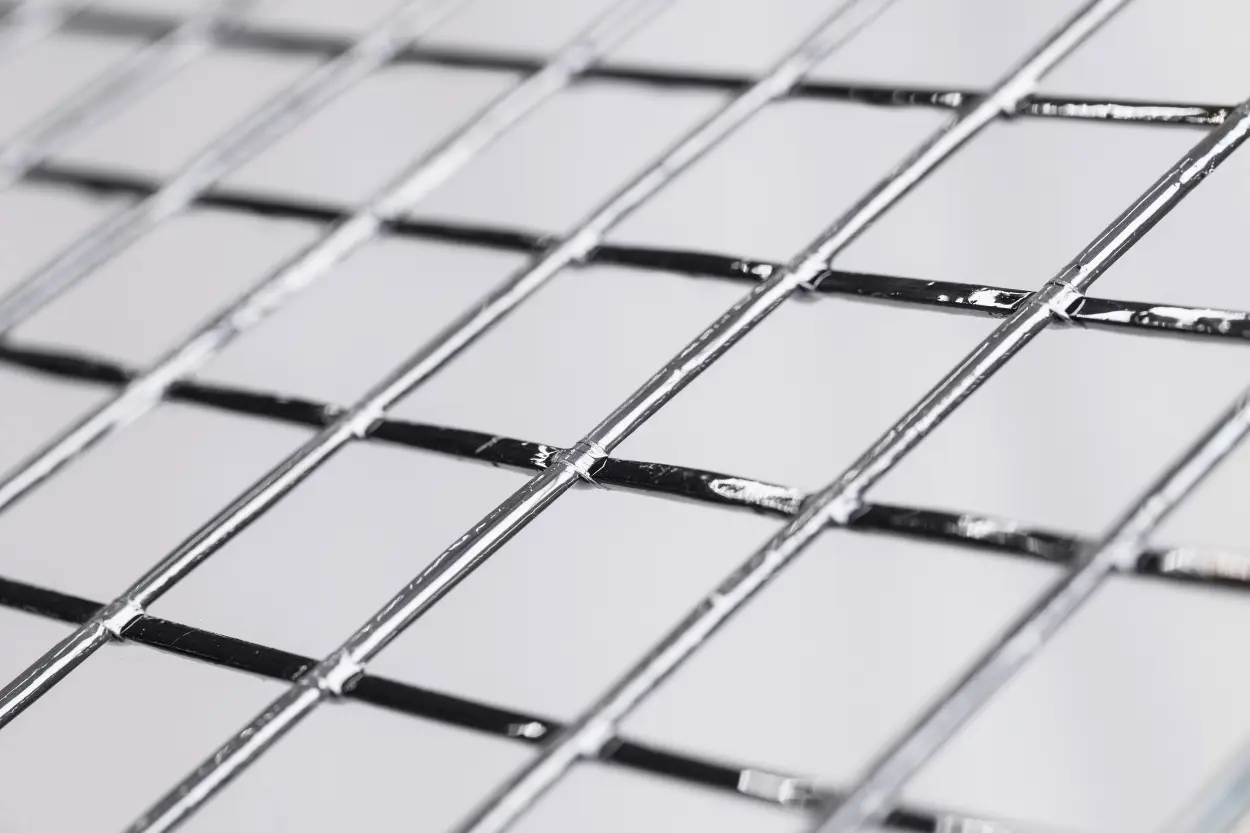
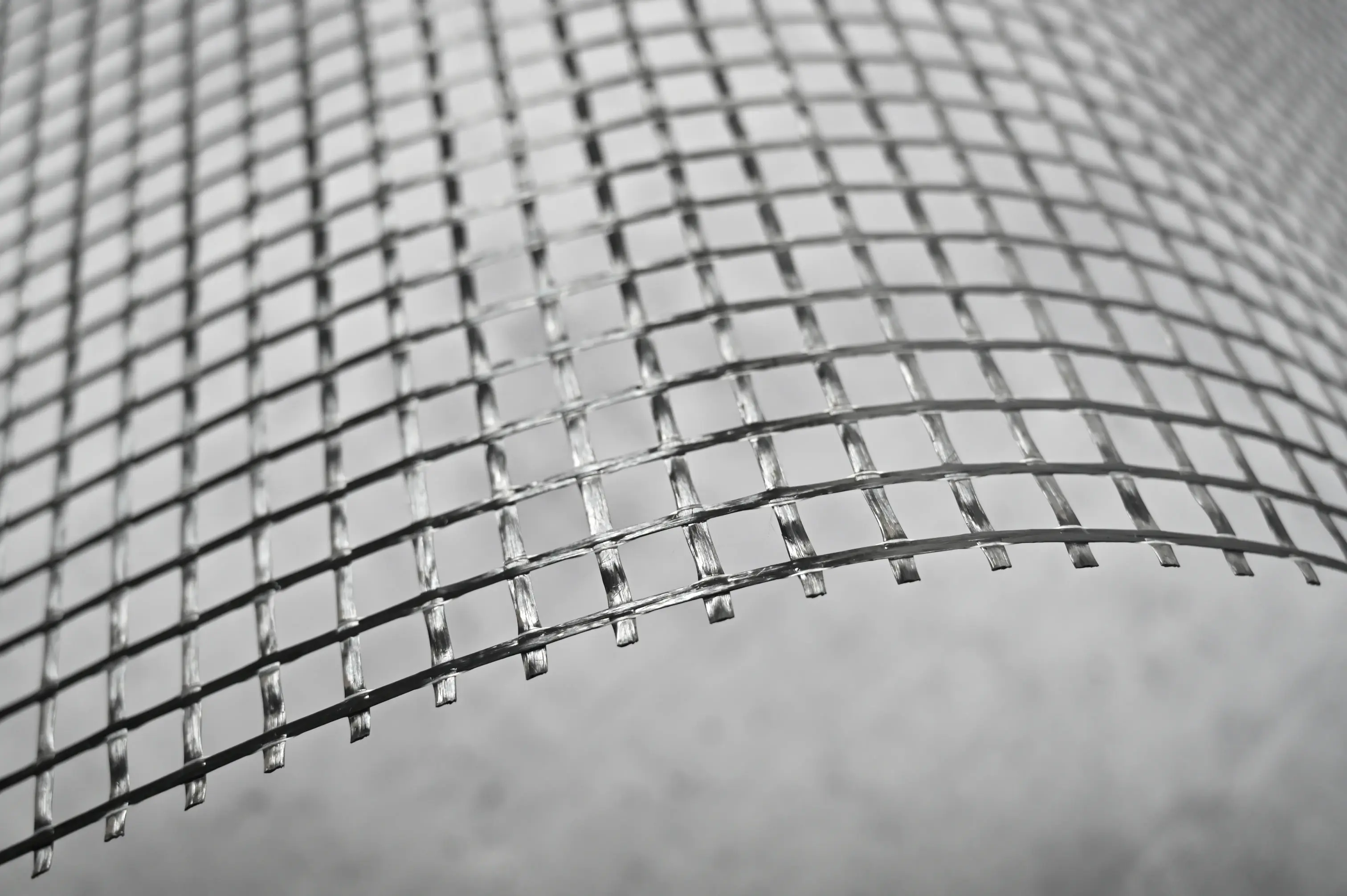
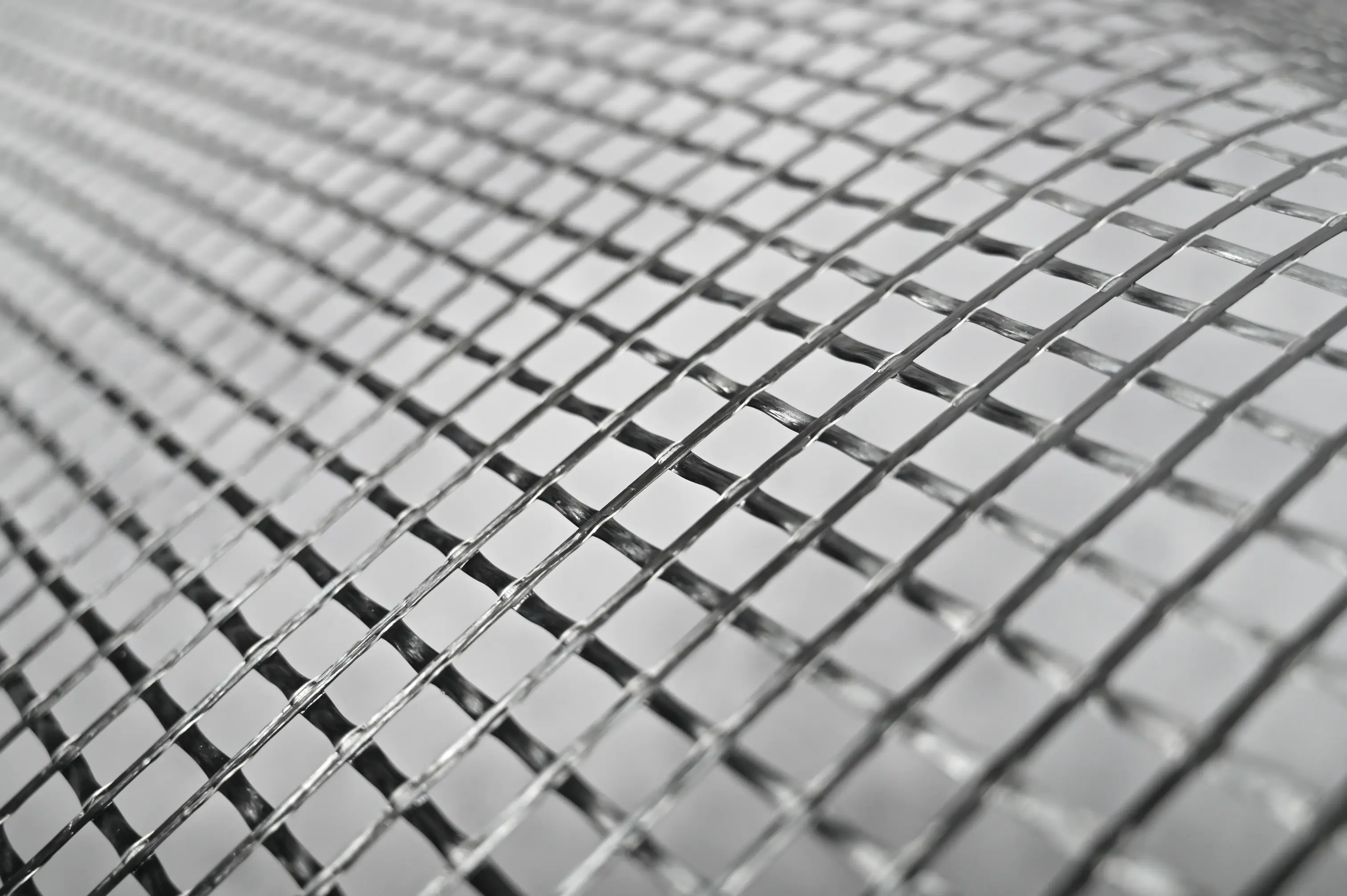
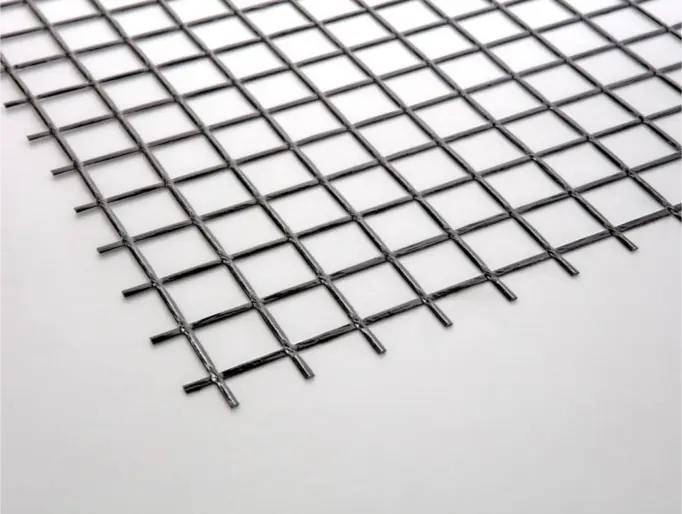
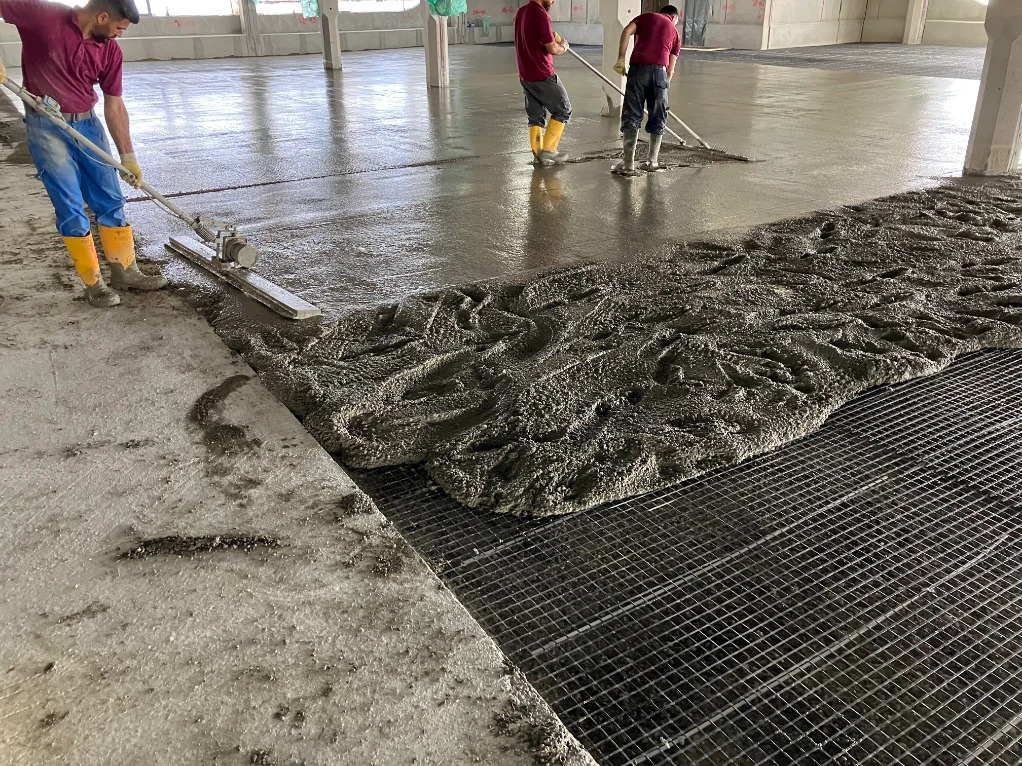
solidian GRID Carbon is an ultra-strong, lightweight and corrosion-resistant carbon grid reinforcement for load-bearing concrete components.
Our carbon grid reinforcement solidian GRID carbon has a tensile strength several times higher than classic steel reinforcement meshes. The carbon fiber composite reinforcement does not corrode and is extremely lightweight. These positive properties lead in part to considerable cost savings in construction, maintenance and repair. The lower material consumption (up to 50 % less water, aggregates and cement) when using our carbon reinforcement grid, as well as the great potential for saving on transportation costs and CO2 emissions, make it a truly sustainable solution. With solidian GRID, concrete goes from gray to green!
 solidian GRID is the first carbon reinforcement grid approved by the German Institute for Building Technology (DIBt) through a General Building Authority Approval (abZ) including a General Construction Technique Permit (aBG). Based on the abZ/aBG and the newly published DAfStb Guideline “Concrete Components with Non-Metallic Reinforcement”, solidian GRID reinforcement can be used as single-layer or multi-layer tensile reinforcement (up to 6 layers) in concrete components. Carbon reinforcement grids with an abZ/aBG are designated in accordance with the requirements of the DAfStb Guideline. Detailed information about the General Building Authority Approval can be found here on a dedicated page.
Product Features
Advantages
- Slimmer components: Enables slender construction with unique aesthetic design possibilities.
- Lower transportation and storage costs: The lightweight reinforcement itself can be transported in rolls and enables lighter, thinner precast concrete elements.
- Deflection: No higher deflection of the components compared to steel due to a similar modulus of elasticity.
- Resource efficiency: Lower consumption of concrete and therefore less use of water, aggregates and cement.
- Safer and easier handling: The lower weight ensures safer and healthier handling during processing.
- Minimal disruption to operations: Less disruption to operations due to less maintenance and repair work.
These properties make our non-metallic reinforcement the ideal choice for modern, sustainable construction projects.
Technical information
- Composite material made of high-performance carbon fibers
- Also as grid reinforcement with building authority approval
- Characteristic short-term tensile strength: ≥ 2600 N/mm²
- Available in various load levels
- Standard dimensions 6.0 x 2.30 m and available in rolls (<3.0 m width)
 For our solidian carbon grid reinforcements, we have had environmentally relevant properties determined by neutral and objective data in an Environmental Product Declaration EPD. This information is available here and in the download area.
reinforcements for the future generations
EPD
Alkaline Resistance
Easy Cutting
High Tensile Strength
Recyclable
Long Life Span
Corrosion Free
Lightweight and easy to install
ARTICLES
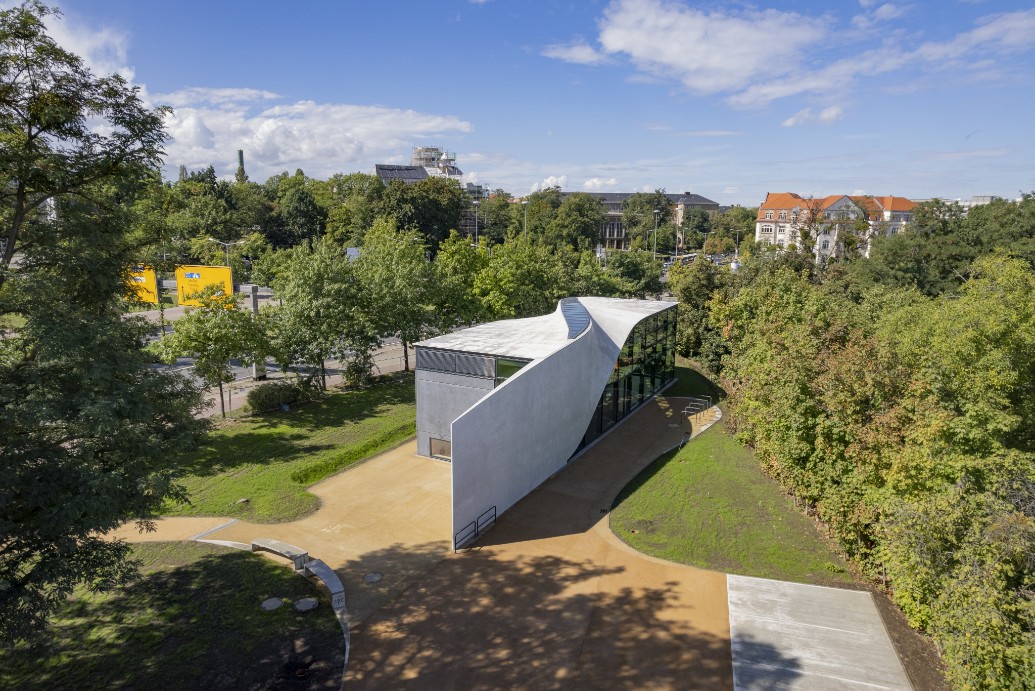
Reference project
Projects
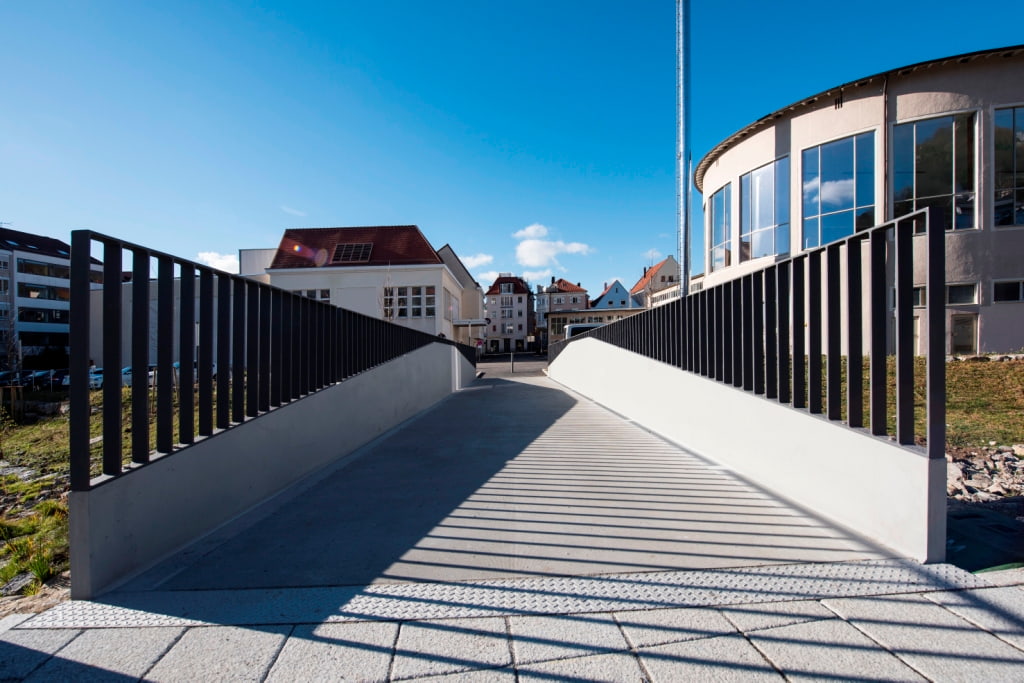
Pedestrian bridge Albstadt-Ebingen
The pedestrian bridge in Albstadt-Ebingen marks a new chapter in bridge construction: it is the first bridge in the world to be built entirely from carbon concrete – a true pioneering achievement that points the way toward the future of...
read more
Projects
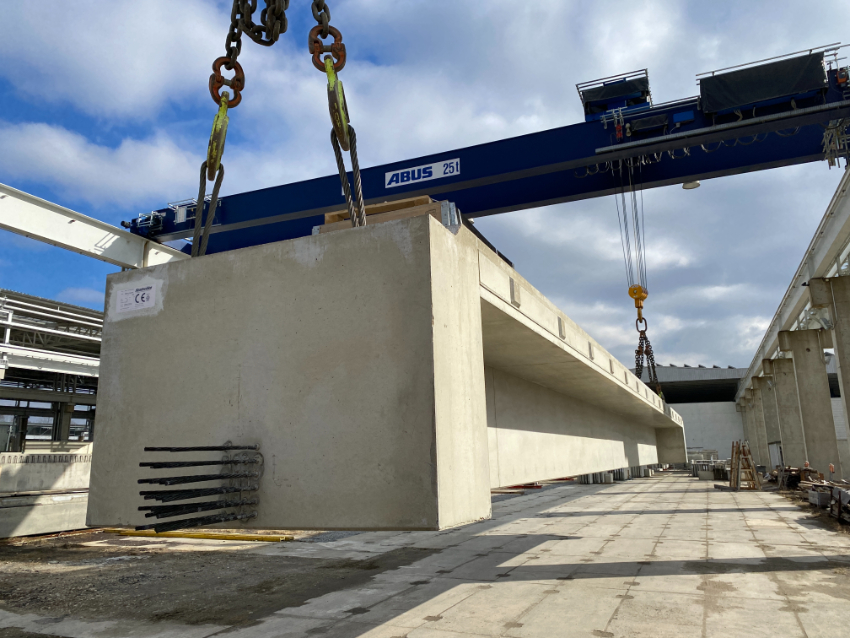
PAMB Bridge
A pilot application for modular bridge construction was realized as part of this innovative development project in Saxony. The central construction element is a precast bridge girder made of carbon concrete, which was designed as a...
read more

Projects
Bosporous bridge
For the cladding of bridge pylons at a height of 320 meters, the façade panels needed to be both lightweight and strong. Due to the substructure requirements and the challenges of handling at such great heights, each panel's weight was...
read more
Product Applications
- Prefabricated parts in general, e.g. balcony slabs
- Facades, e.g. exposed concrete facades, sandwich walls, ventilated facades
- Hydraulic structures, maritime structures, swimming pools
- Tunnel structures and bridge superstructures
- Infrastructure, e.g. sewers, ram protection walls
- Measures to strengthen load-bearing structures, e.g. earthquake reinforcement, floor slabs
- Concrete components (e.g. foundations) for components for the generation, transmission and end use of electricity
- Repair measures for e.g. parking garage slabs, bridge superstructures, floor slabs
Related Products
Product Handling & Transport
solidian SPACER - simple reinforcement spacers fully compatible with our reinforcing mesh solidian GRID.
read more
Product Handling & Transport
The advantages of non-metallic reinforcement in combination with suitable accessories enable fast and safe production of panel-shaped components.
read more
Rigid Meshes
solidian GRID glass is a high-strength, lightweight, corrosion-resistant glass fiber reinforcement grid for load-bearing concrete components.
read more
Rigid Meshes
CARBOrefit® refers to the method of strengthening the load-bearing structure of reinforced concrete components with the high-performance material carbon concrete.
read more
Rigid Meshes
solidian ANTICRACK is carbon reinforcement with an even better bonding behavior for optimum crack distribution, small cracks, and short anchorage lengths.
read more
- Product & Technical Compatibility
- Process Efficiency & Performance
- Use Cases & Application Support
- Which composite manufacturing processes are your reinforcements compatible with?
- Are they compatible with automated production environments?
- How do your reinforcements help improve production efficiency?
- Can your reinforcements be adapted to our production setup?
- Can you help us choose the right reinforcement for our project?
- Are your products suitable for visually demanding applications?
- In which industries are your glass fiber reinforcements commonly used?
frequently asked questions
Your top inquiries, addressed
Our products are suitable for pultrusion, RTM, vacuum infusion, filament winding, and other continuous or closed-mold processes.
Yes. kelteks FreeMat and other glass reinforcements are optimized for high-speed production, offering clean handling and consistent quality across long production runs.
Our products ensure fast resin flow, excellent fiber wetting, and consistent fiber placement, leading to shorter cycle times and reduced scrap rates.
Yes. We can customize roll widths, formats, surface weights, and roll lengths to meet the specific needs of your process or equipment.
Our team provides technical guidance and product samples to help you test and select the best solution for your application.
Yes. Thin reinforcement layers like kelteks FreeMat become nearly invisible after resin infusion, making them ideal for transparent or aesthetic surfaces such as toboggans, water slides, and decorative panels. Check the product gallery here.
Our reinforcements are used in industrial equipment, construction components, transportation, electrical infrastructure, and marine applications. A key segment is the recreational industry, especially waterparks, where materials must be durable, non-corrosive, and visually appealing.