read all about it
When it comes to ensuring the stability and durability of masonry walls, the role of reinforcement often goes unnoticed. Yet, it is a critical component in modern construction, particularly for projects requiring long-lasting and crack-resistant structures. One of the most effective solutions in this domain is bed joint reinforcement – a simple yet impactful method to strengthen masonry walls horizontally.
What is Bed Joint Reinforcement?
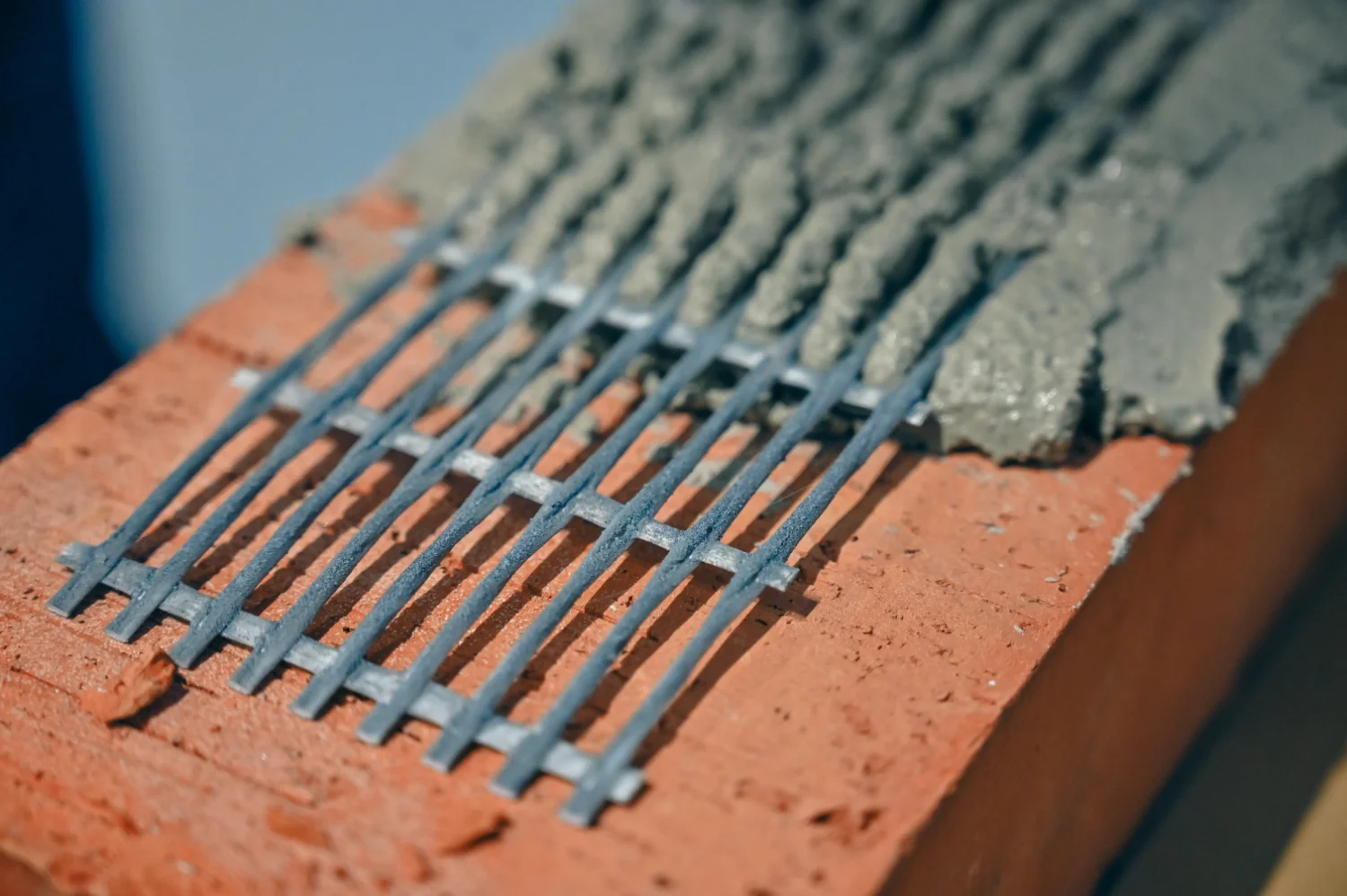
Bed joint reinforcement involves embedding horizontal reinforcement materials, such as textile or metallic meshes, within the mortar layers (or bed joints) of masonry walls. These reinforcements are strategically placed at intervals, usually every 50 cm, to provide additional tensile strength and crack prevention.
This method is commonly used in masonry construction to address the inherent weaknesses of unreinforced walls, which can be prone to cracks and structural instability due to various factors such as:
- Thermal expansion and contraction
- Moisture fluctuations
- Seismic activity
- Uneven settlement of the foundation
Why is Bed Joint Reinforcement Crucial in Modern Construction?
- Prevention of Cracks in masonry walls are not only unsightly but can also compromise the structural integrity of a building. Bed joint reinforcement helps distribute loads evenly across the wall, minimizing the stress concentration that leads to cracks.
- Improved Structural Stability Horizontal reinforcement enhances the wall’s resistance to lateral forces, such as wind pressure and seismic activity. This is particularly important in areas prone to earthquakes, where unreinforced masonry walls are vulnerable to out-of-plane failure.
- Longevity and Durability by reinforcing the mortar joints, bed joint reinforcement increases the overall durability of masonry walls, reducing the need for costly repairs and maintenance over time.
- Versatility Bed joint reinforcement is suitable for a variety of applications, including residential, commercial, and industrial buildings, making it an indispensable solution for modern construction needs.
Traditional vs. Modern Bed Joint Reinforcement
Historically, metal meshes and wires were the go-to materials for bed joint reinforcement. However, these traditional solutions come with inherent drawbacks, such as susceptibility to corrosion, especially in humid or coastal environments. Over time, this can weaken the reinforcement and lead to structural failures.
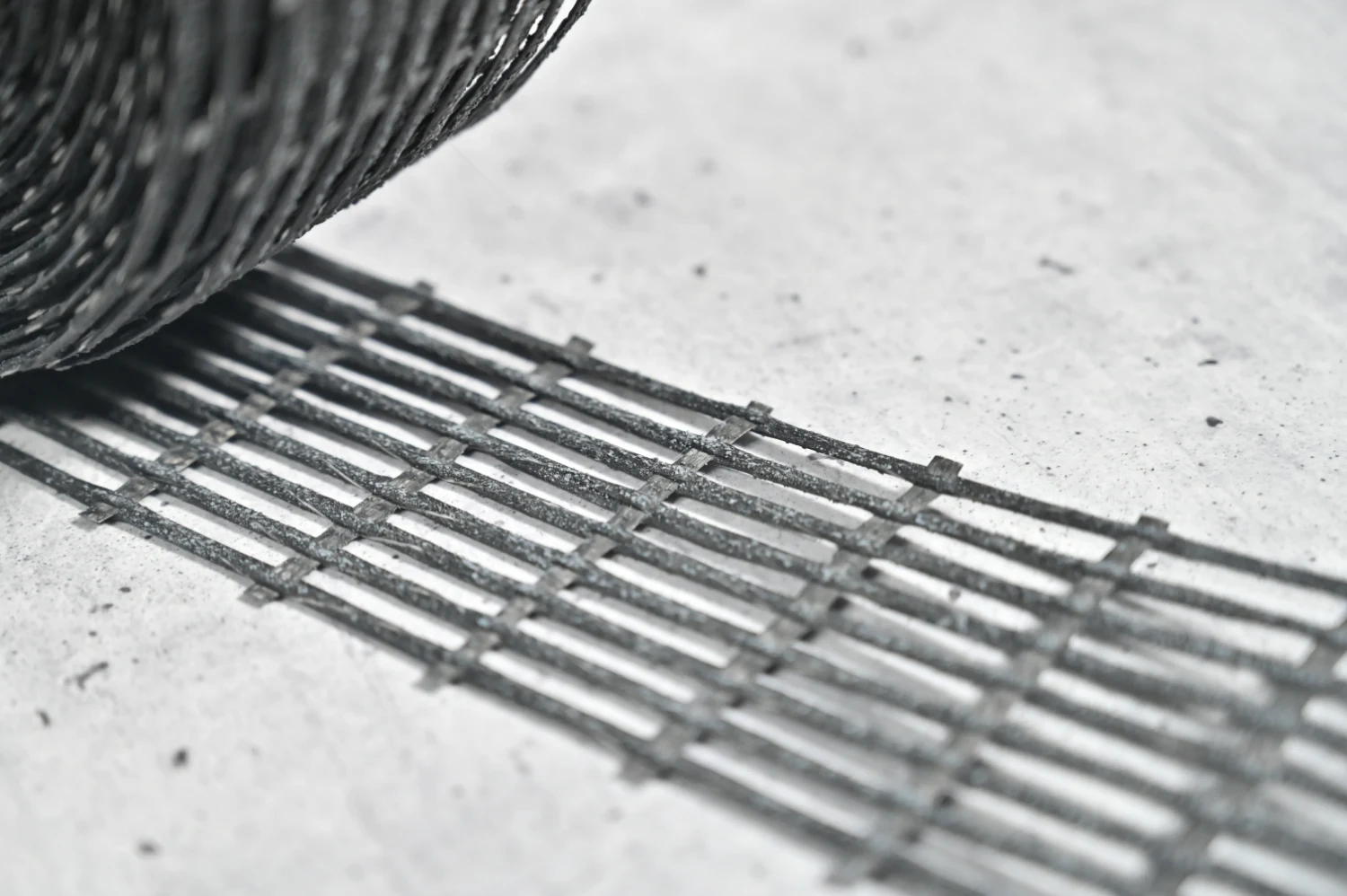
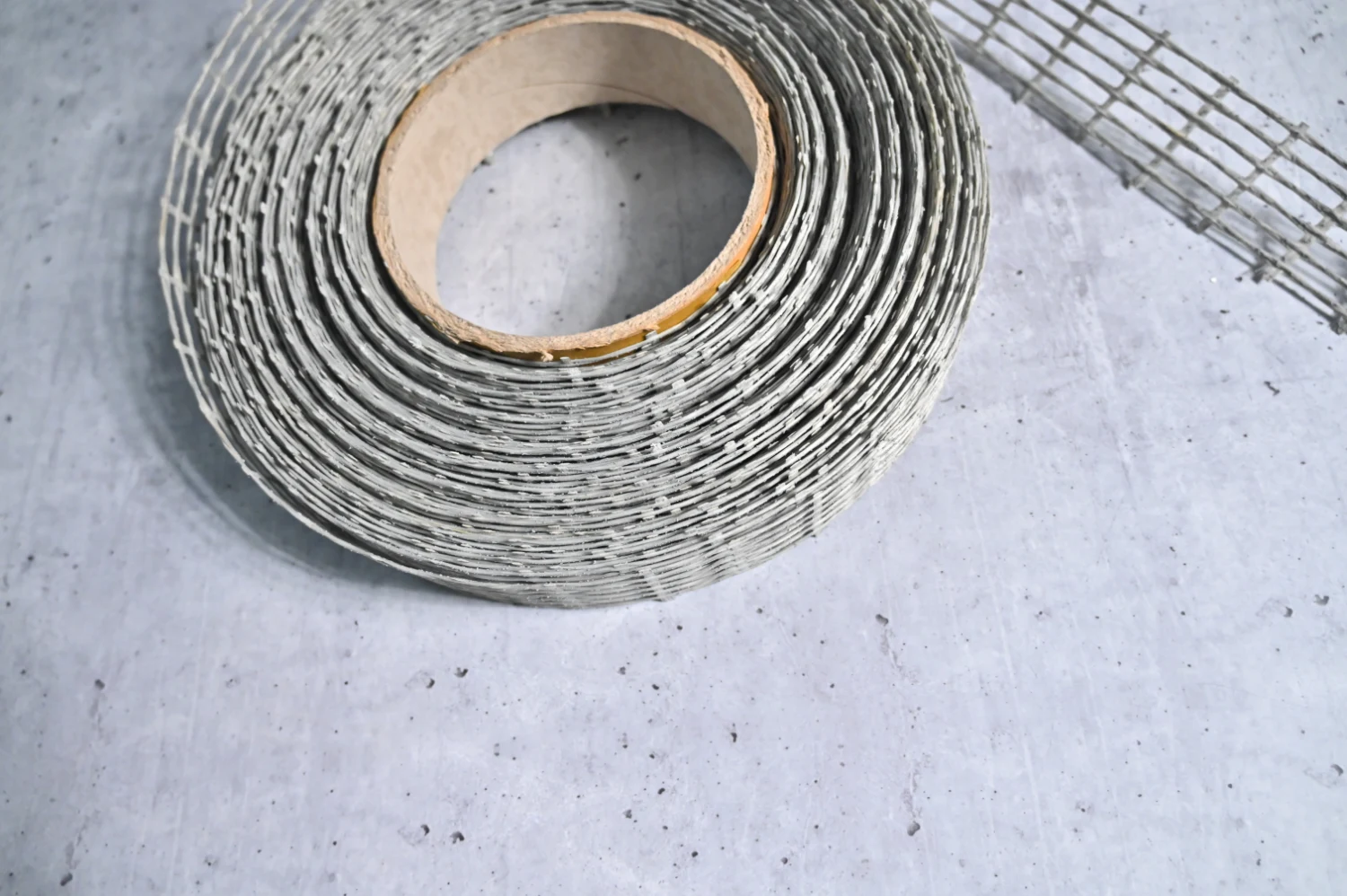
Modern solutions like solidian Briksy use advanced materials such as carbon or alkali-resistant (AR) glass fibers. These materials are:
- Non-corrosive, ensuring long-term performance even in aggressive environments.
- Lightweight, making them easier to handle and install.
- Eco-friendly, aligning with sustainable construction practices.
How Does Bed Joint Reinforcement Work?
The process is straightforward yet effective:
- Reinforcement meshes are cut to the required length.
- They are embedded in the mortar layers at regular intervals.
- Proper alignment ensures that the reinforcements are fully integrated into the wall, providing maximum tensile strength.
Bed joint reinforcement is more than just a construction technique – it’s a vital step toward ensuring the safety, durability, and resilience of masonry structures. As the construction industry evolves, embracing modern solutions like solidian Briksy allows builders to overcome the limitations of traditional materials while meeting the demands of sustainable and long-lasting design.
Are you ready to elevate your masonry projects?
Learn more about how solidian Briksy can transform your construction approach: click HERE.
build solid.