read all about it
On drawings, masonry details are defined by planners and engineers. In reality, every detail that ends up in a wall passes through a much broader decision process. Before it is ever built, a masonry detail must be accepted. It must not raise unnecessary questions, introduce uncertainty, or create risk for anyone involved. That applies just as much to reinforcement details as to visible architectural elements.
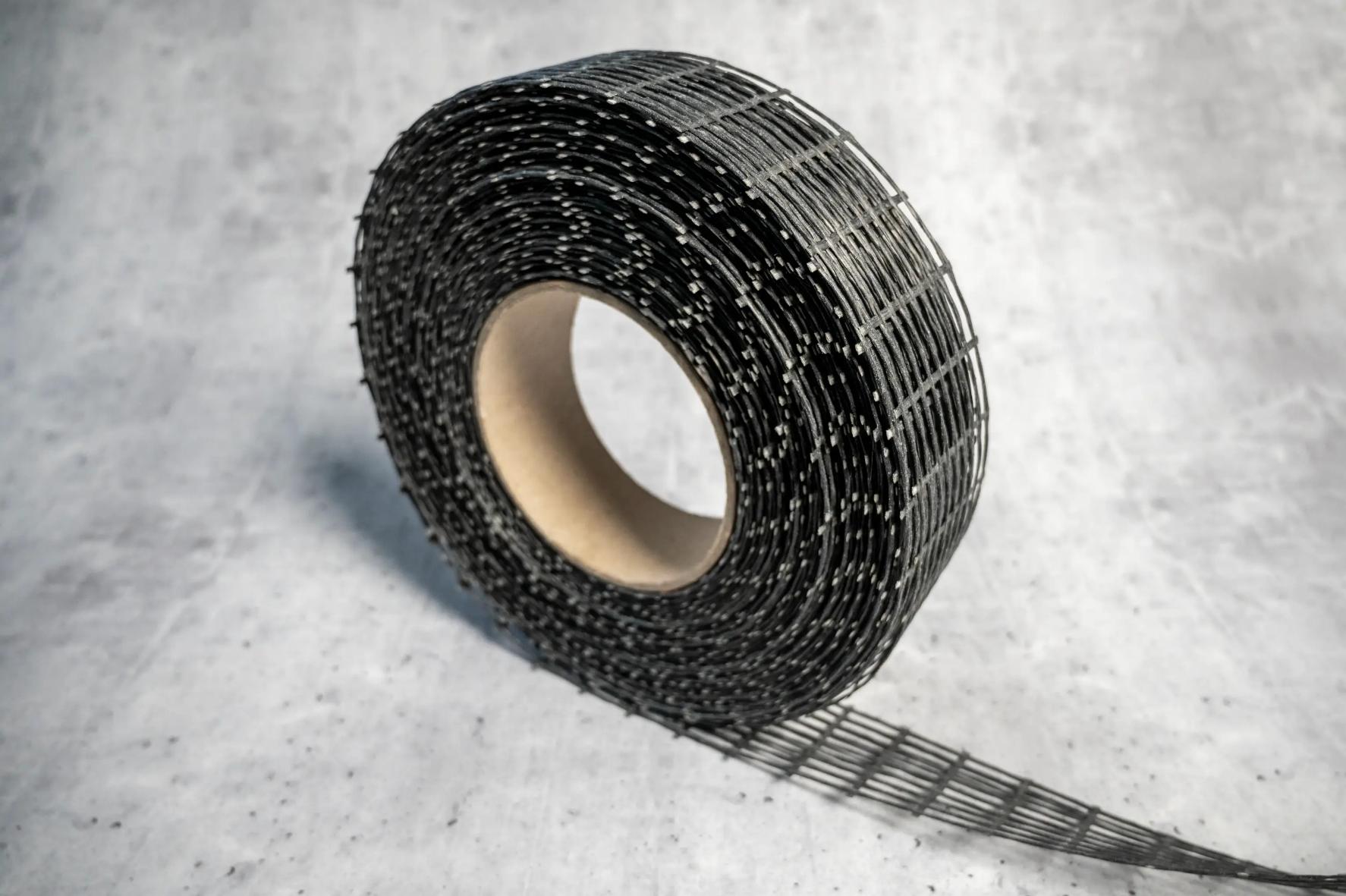
At first glance, solidian Briksy may look like just another mesh in the wall.
In practice, it works because it fits the way decisions about masonry walls are actually made.
The Three Questions Every Masonry Detail Must Answer
Whether explicitly or not, most masonry details are evaluated through the same three questions.
1. Is it technically sound and familiar?
Trust is always the first filter. Designers, reviewers and investors need confidence that a detail is technically justified, based on proven construction principles, and understandable within existing design logic. Solutions that follow established detailing concepts are easier to accept than those that introduce uncertainty or require a completely new way of thinking.
solidian Briksy fits into known bed joint reinforcement principles. Placement, spacing and structural purpose remain familiar, allowing designers to evaluate it using the same reasoning they already apply to traditional solutions.
2. Does it complicate execution or logistics?
Even the best technical solution must work on site. Contractors and site managers quickly assess whether a detail:
- slows down installation,
- increases physical effort,
- requires special tools,
- or complicates storage and handling.
solidian Briksy introduces no new friction here. Lightweight handling, easy cutting and installation within the standard masonry workflow keep execution simple and predictable.
3. Does it reduce long-term risk?
For investors and project owners, the key question is not how a wall performs on day one, but how it behaves over time.
Cracks, visual defects, maintenance interventions and disputes usually appear years later. Details that help control serviceability issues reduce these long-term risks, even if they remain invisible once the wall is built.
Bed joint reinforcement plays a quiet but decisive role in how stresses are distributed and how cracks develop or are avoided in critical zones.
Where solidian Briksy Fits
solidian Briksy does not aim to change how masonry walls are designed or built. It follows established principles while addressing durability and handling concerns that matter over time. That is why it is often accepted not because it demands attention, but because it quietly fits into existing decision-making processes.
Masonry walls rarely fail structurally. When problems occur, they usually appear slowly — through cracks, maintenance issues and dissatisfaction years after completion. Details that help prevent these outcomes do not need to be loud or revolutionary. They need to be reliable, understandable and easy to accept.
solidian Briksy is not just another mesh in the wall.
It is a reinforcement detail designed to reduce questions tomorrow, by making decisions easier today.
build solid.