read all about it
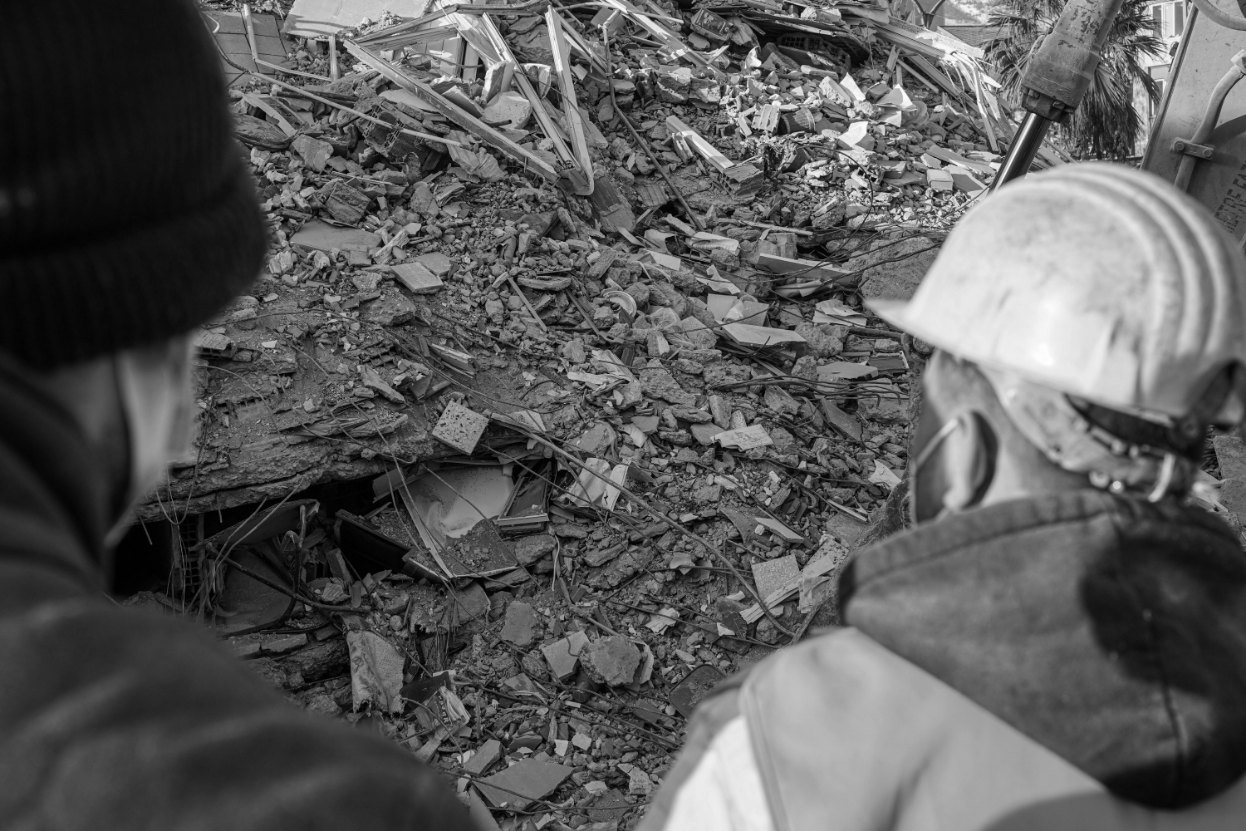
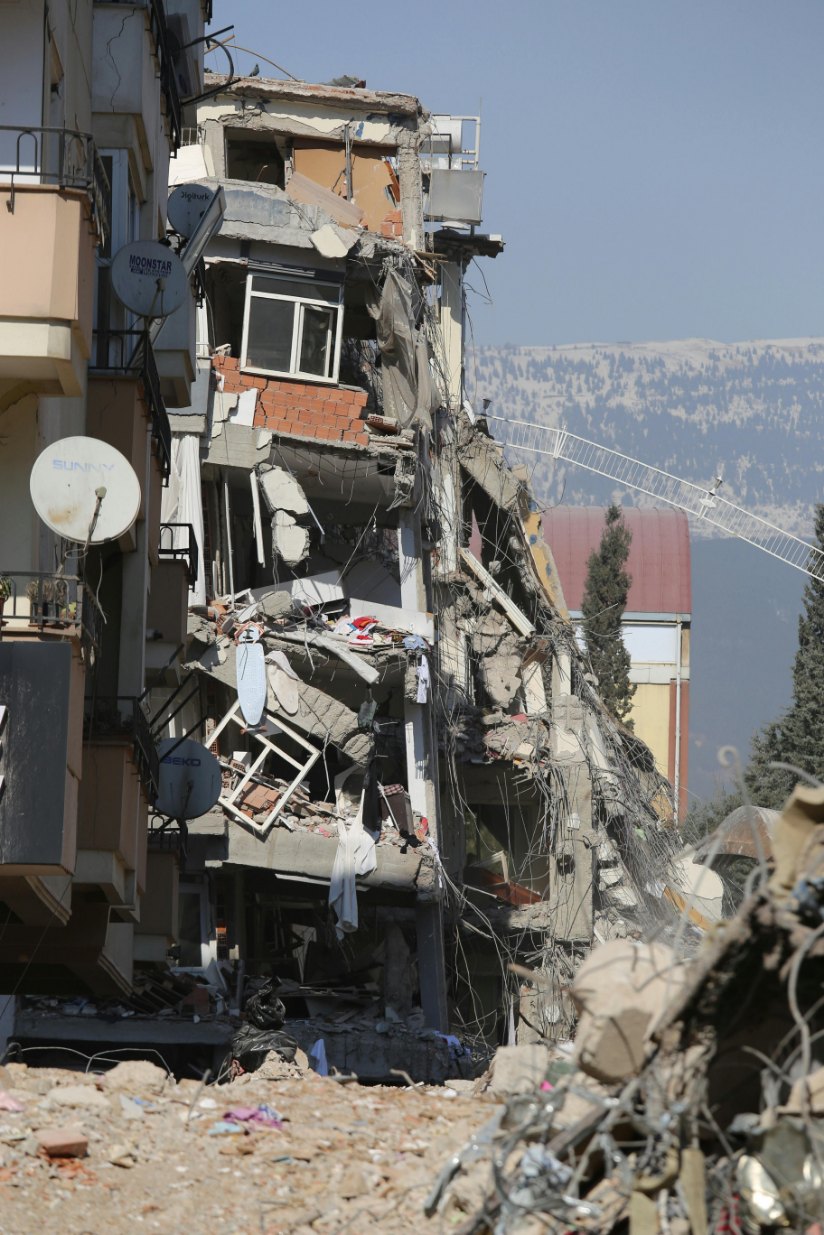
On February 6, 2023, Turkiye was struck by a devastating 7.8 magnitude earthquake in the Southeast Anatolia Region—a tragedy that claimed over 55,000 lives and left countless structures severely damaged or destroyed. This catastrophic event exposed the vulnerabilities of Turkiye’s aging building stock and underscored the urgent need for comprehensive seismic retrofitting. Despite ongoing efforts by both public and private sectors, millions of buildings—many constructed before modern seismic codes were enforced—still require urgent assessment and reinforcement. Financial constraints, bureaucratic delays, and technical challenges continue to hinder progress, especially in regions sitting on active fault lines such as Istanbul, Marmara, Eastern Anatolia, and the Aegean.
In light of these challenges and the critical importance of safeguarding lives and infrastructure, we speak with Mr. Samed Uslu, a leading expert in seismic retrofitting, to discuss the current state of retrofitting in Turkiye, innovative solutions like the CRM, FRCM, and FRP systems offered by solidian · kelteks, and the strategic measures needed to ensure a safer future for Turkiye’s built environment.
How would you describe the current state of seismic retrofitting in Turkiye? What are the main challenges faced by the construction sector and regulatory bodies?
Seismic retrofitting in Turkiye is gained the most attention after the devastating February 6, 2023 which occurred in South East Anatolia Region. That earthquake served as a wake-up call, highlighting the urgent need for structural strengthening in existing buildings. While there have been significant efforts from both the public and private industries, the pace of retrofitting still lags behind the demand unfortunately. One of the biggest challenges is the sheer volume of buildings requiring urgent intervention—millions of structures need assessment and reinforcement. And others are financial constraints, lack of awareness, and technical challenges in reinforcing existing structures without major disruptions.
Regulatory bodies face hurdles in enforcing seismic standards due to bureaucratic delays, funding limitations, and resistance from property owners due to cost concerns. Additionally, there is a skills gap in applying advanced retrofitting technologies, which requires specialized training for engineers and contractors also.
Which regions or types of structures are most at risk, and why?
Regions along the North Anatolian Fault (Istanbul and Marmara region), the East Anatolian Fault, and the Aegean region are at the highest risk due to their proximity to major fault lines.
In terms of structures, the most vulnerable are:
- Buildings that were constructed before year 2000, modern seismic regulations.
- Non-engineered structures, including older masonry and poorly maintained concrete buildings.
- Buildings with irregularities, such as soft-story configurations or weak foundations, which increase the risk of collapse during an earthquake.
Istanbul, with it’s very high population density and aging building stock, is particularly fragile to a future major earthquake. The highest-risk regions include the Marmara, Eastern Anatolia and Aegean regions, as they sit on active fault lines. Istanbul, in particular, is a major concern due to its dense population and aging building stock.
Structures built before 2000, prior to the enforcement of modern seismic codes, are especially vulnerable. Older reinforced concrete buildings, masonry structures, and those with soft-story designs (such as buildings with open ground floors used for garages or commercial purposes) are at significant risk of collapse in future seismic events.
How do Turkish laws and standards impact the implementation of seismic retrofitting measures?
Turkiye has a well-defined seismic code, with regulations outlined in the Turkish Building Earthquake Regulation (TBDY 2018) and the Urban Transformation Law (Law No. 6306), which mandates structural assessments and retrofitting of at-risk buildings. However, enforcement remains inconsistent due to financial constraints, lack of awareness, and logistical challenges in retrofitting occupied buildings.
Could you explain what the CRM (Composite Reinforced Mortar), FRCM (Fabric-Reinforced Cementitious Matrix), and FRP (Fiber-Reinforced Polymer) systems offered by solidian · kelteks entail? What are the main advantages of these technologies?
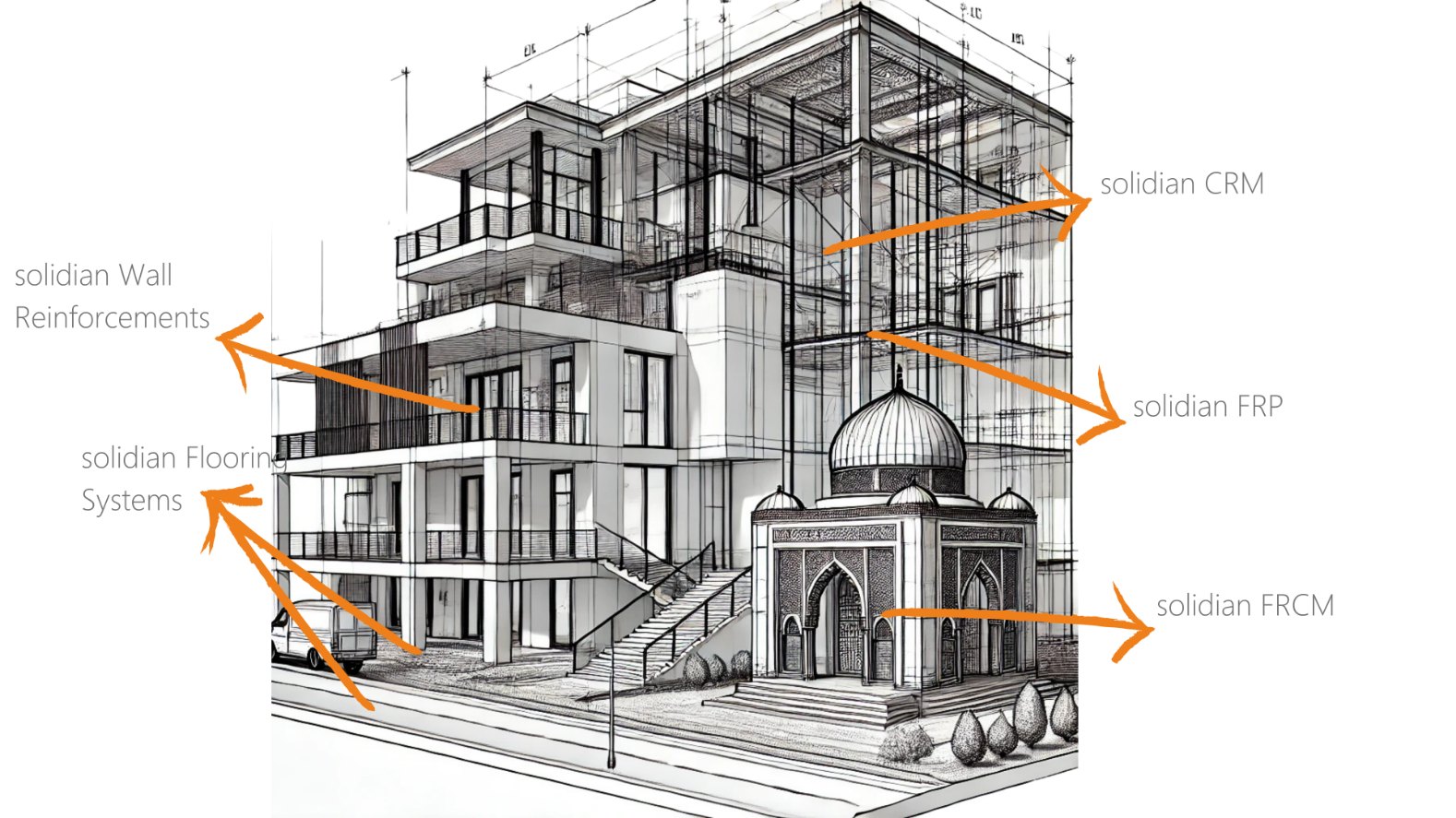
We are specialized in innovative reinforcement systems for seismic retrofitting:
- CRM (Composite Reinforced Mortar): In CRM system the inorganic matrix is reinforced with mesh, corners and connectors to increase strength, load bearing capacity and ductility of structural elements in new and existing masonry and concrete structures.
- What we offer?
- We offer our Antiseismic Connector L, Antiseismic Connector Open End, Antiseismic Corners & Forms, Antiseismic Grid
- These products of ours;
- CE certified
- Complete reinforcement solution for CRM system
- AR glass coated with epoxy resin for highest quality
- Produced by our R&D experts with high care for top performance
- In-house laboratory testing and constant quality control
- Suitable for brick, concrete or stone wall
- Non-corrosive, safe and sustainable solution
- What we offer?
- FRCM (Fabric-Reinforced Cementitious Matrix): A lightweight and flexible reinforcement system using high-strength textiles embedded in a cementitious matrix. This system enhances structural resilience without adding excessive weight, making it ideal for older buildings with load restrictions. FRCM retrofit systems effectively improve seismic performance by strengthening both existing and new structures, making them indispensable in earthquake-prone regions.
- What we offer?
- We offer our Antiseismic Connector Open End, Antiseismic Flex Grid
- These products of ours;
- In-house development and testing guarantee a constant level of quality
- Non-corrosive, sustainable and lightweight solution
- Effective tension redistribution
- Long-term durability
- What we offer?
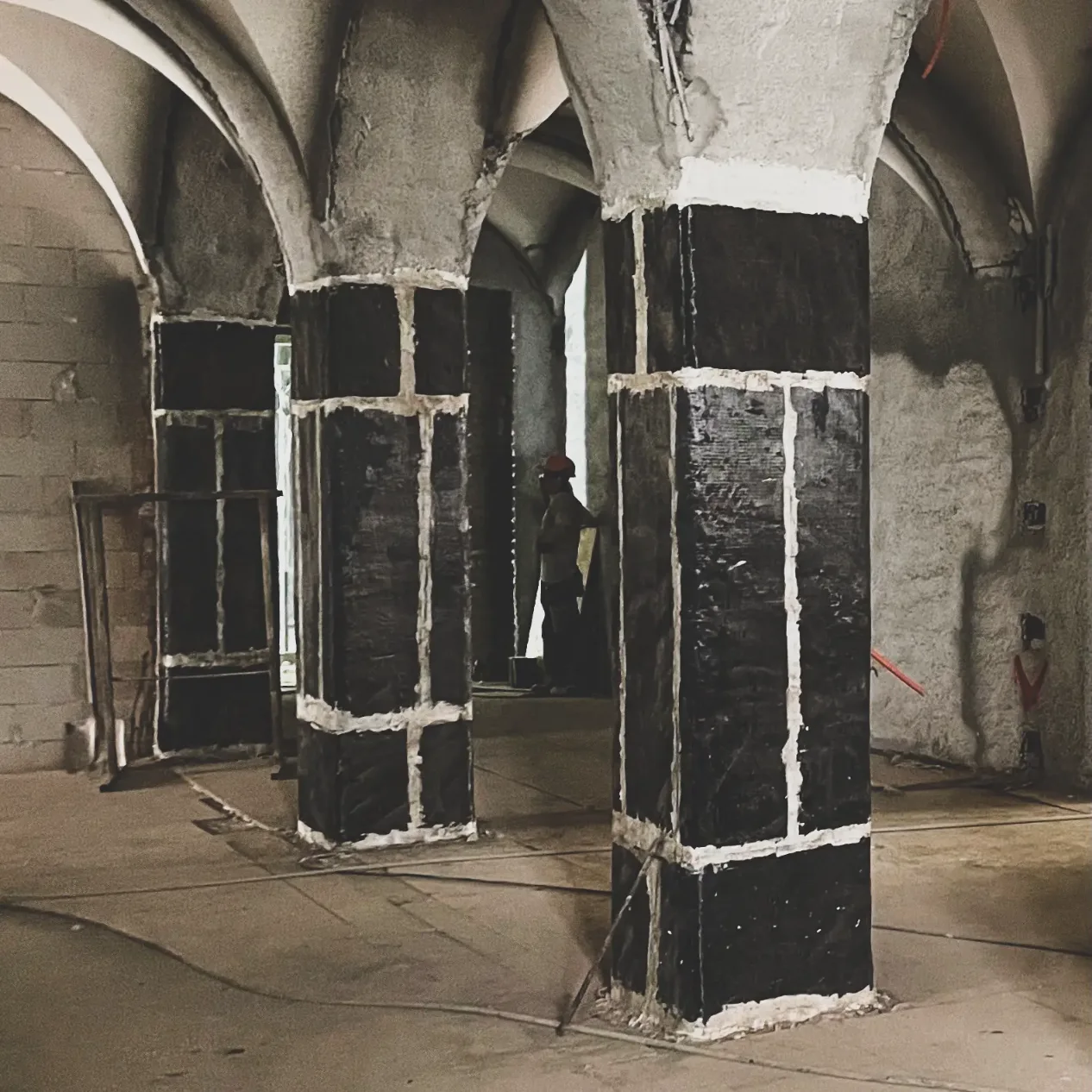
- FRP (Fiber-Reinforced Polymer): Fiber-reinforced polymers are composite materials consisting of a polymer matrix reinforced with fibers. They are used in structural rehabilitation to reinforce the load-carrying capacity due to planned increases in live loads or the removal of load-bearing elements. Solidyen Wrap is an innovative composite for FRP technology. This non-corrosive, high strength, lightweight carbon product increases flexibility without sacrificing strength, significantly improving the stiffness and ductility of structural elements.
- What we offer?
- We offer our Antiseismic Wrap
- These products of ours;
- Non-corrosive product with high tensile strength
- Excellent performance under dynamic loading
- Resistance to most alkalis and acids
- Vibration damping ability
- Extremely favorable strength-to-weight ratio
- Manufactured by our R&D experts who take great care to ensure optimum performance
- What we offer?
- Moreover; the systems we have the ability to construct and produce according to the industry’s demands is one of our strongest muscles. We listen, understand and evaluate the need and create the exact product. Flex Wall Joint for example is one system that we are making tests right now and we will introduce it to market very soon.
The main advantages of these systems include ease of installation, minimal disruption to buildings in use, durability, and cost-effectiveness compared to traditional retrofitting methods.
Can you elaborate on the significance of the CE certification (EAD 340392-00-0104) for the CRM range and how internal laboratory testing and ongoing quality control are implemented?
The CE certification (EAD 340392-00-0104) for our CRM portfolio is a significant milestone, ensuring that our composite reinforcement solutions meet European safety, performance, and durability standards. This certification validates that the materials have undergone rigorous mechanical, thermal and durability tests, proving their effectiveness in seismic strengthening applications.
Internally, we maintain strict quality control through continuous laboratory testing. Our testing protocols include tensile strength analysis, accelerated aging tests, bond strength evaluations, and in-situ performance monitoring to ensure reliability in real-world applications.
Could you share examples where your seismic retrofitting solutions have been successfully implemented? What were the results in terms of enhanced structural resilience?
Our solutions have been successfully implemented in several seismic retrofitting projects across Turkiye and Europe. Some key examples include:
- Historical masonry buildings: We have used CRM and FRCM systems to reinforce heritage structures in seismic zones, preserving architectural integrity while improving seismic resistance.
- Public infrastructure: Bridges, hospitals and schools have been strengthened with our FRP solutions, significantly enhancing their ability to withstand future earthquakes.
- Residential and commercial buildings: Retrofitting with our lightweight reinforcement systems has reduced the seismic vulnerability of structures without adding excessive weight or requiring major structural modifications.
The results have demonstrated improved load distribution, increased ductility, and enhanced energy dissipation capacity, effectively reducing the likelihood of collapse in seismic events. You can check some of our finished projects in our webpage under references.
What specific measures do you recommend for government agencies, engineering firms, and the private sector to improve the safety of buildings in Turkiye?
To enhance seismic resilience, we strongly recommend:
- Mandatory Seismic Assessments: Enforce periodic structural evaluations for all high-risk buildings, especially in earthquake-prone regions. We know that the state institutes started in Turkiye but this is not fast enough.
- Retrofitting Incentives: Introduce financial support mechanisms, such as tax breaks or low-interest loans, to encourage private property owners to invest in seismic strengthening.
- Advanced Material Adoption: Promote the use of cutting-edge reinforcement technologies (CRM, FRCM, FRP) to improve the effectiveness and affordability of retrofitting.
- Public Awareness Campaigns: Educate property owners and tenants on the risks of poorly reinforced buildings and the importance of retrofitting.
- Training & Certification Programs: Require specialized training for engineers and contractors in modern seismic retrofitting techniques.
How do you see the role of training, professional development, and collaboration between industry and academia in advancing seismic retrofitting practices?
Collaboration between academia, industry, and regulatory bodies is essential for advancing seismic retrofitting. Universities must continue conducting research on innovative materials and structural reinforcement methods, while companies like us can provide practical applications and real-world testing.
Training programs should be expanded to engineers, architects, and construction professionals to ensure they are proficient in modern retrofitting solutions. Establishing certification programs for professionals specializing in seismic reinforcement will also help standardize best practices.
What is the main message you would like to convey to our readers, especially those working in the construction sector and governmental institutions? And to people whom are living in these structures?
The key message is urgency and responsibility.
- Seismic retrofitting is not optional—it is a necessity to prevent future tragedies.
- Government institutions must prioritize enforcement and funding for seismic reinforcement.
- The construction sector must embrace new technologies and ensure structural safety takes precedence over cost-cutting measures.
Earthquakes do not wait for regulations to catch up. We must act now to safeguard lives, infrastructure, and the future of our cities.
And for the people living in these buildings -which we think this is the most fatal point- we strongly recommend them to raise voice. Just as we are looking for features that will bring us comfort when renting or buying a building, we should also be looking for features that will make us live in a peaceful and solid structure. Regulations already cover and secure 90% of the structural elements of a building. But we still need to keep our eyes open and we should be the demanding part. The architecture of a house, or the kitchen, or the ceramics used or the paint on the walls are of course important, but we can also question whether this house was built in accordance with building regulations. We can also question details such as what type of bricks are used in the walls, what type of connection these walls are connected to the beams and columns. Ceramics, paint and stylish faucets will keep you comfortable but a solid building will guarantee that you will live!