
Unmatched durability and cost-efficiency
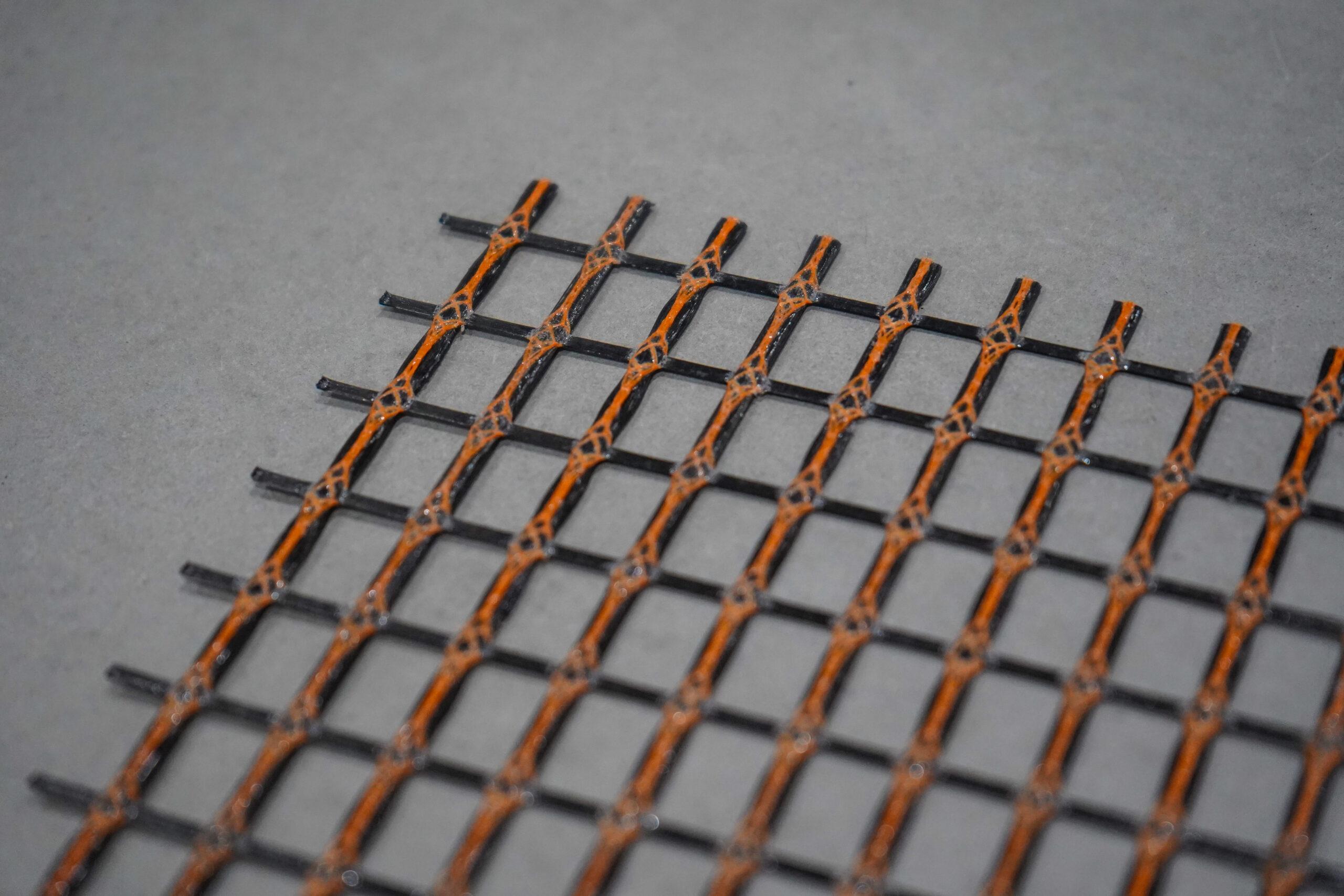

GRID CARBOrefit
コンクリート層が最小限。
構造物の強化。
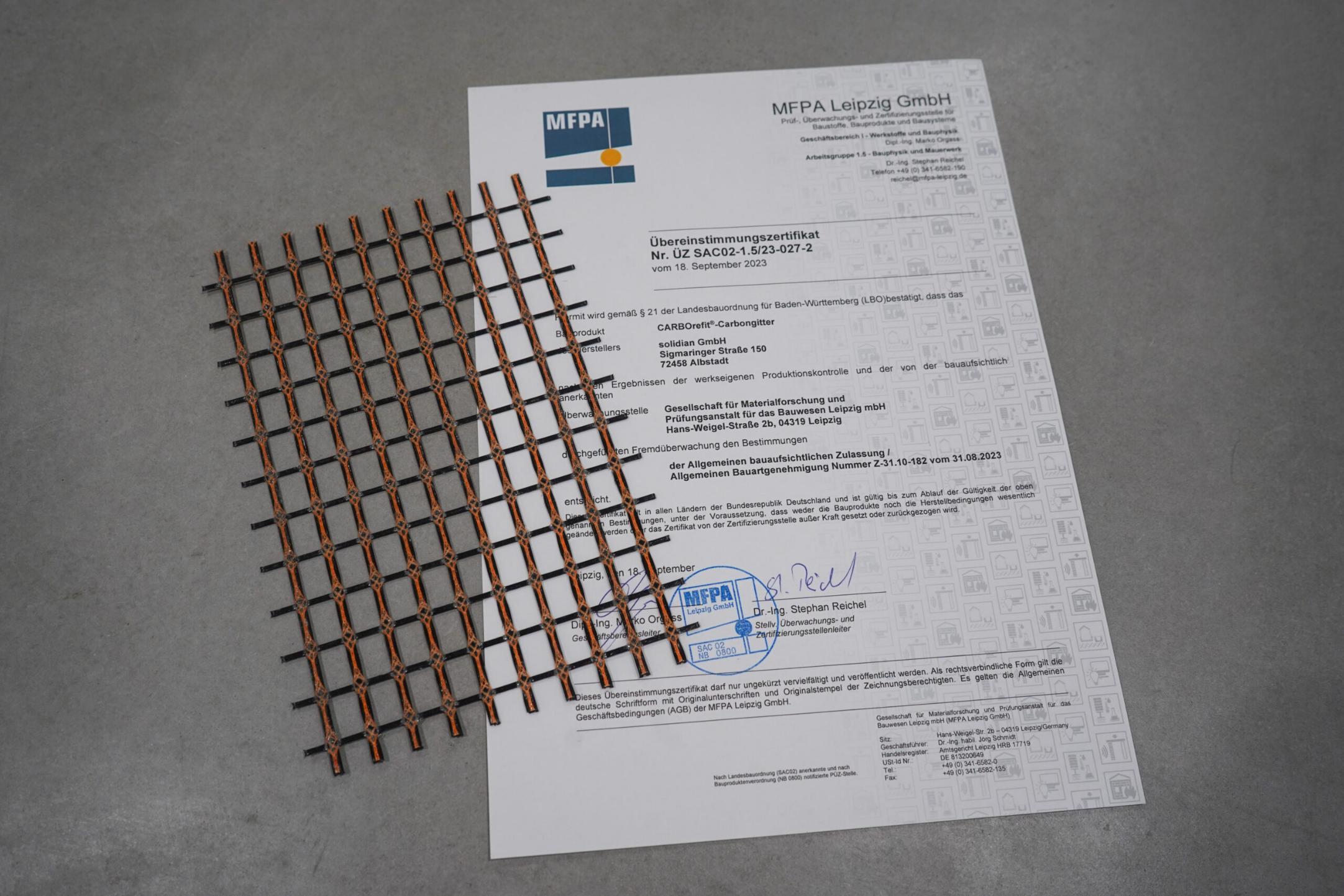
CARBOrefit® は、既存の構造を固定すると同時に、その耐荷重性と耐久性を高める、持続可能で資源を節約する強化ソリューションです。CARBOrefit® は、効率的かつ経済的に、さまざまな方法で使用できます。ドイツの技術承認 / 一般建設技術許可 Z-31.10-182 (ドイツの承認をダウンロードするには、番号をクリックしてください) は、建設業界の資源節約設計に特に貢献するソリューションをプランナーに提供します。
CARBOrefit® 方式は、建設業界の使い捨て精神に対抗します。既存の建物ストックを保存、さらに開発、変換、再利用することが、気候に優しい建設の重要な手段と見なされているからです。CARBOrefit® は、持続可能な変化「解体ではなく保存」の一環として、DNGB* Audience Award 2023 を受賞しました。
* ドイツ後期建設公社 (DGNB e.V.) (ドイツ持続可能な建築協議会)
Product Features
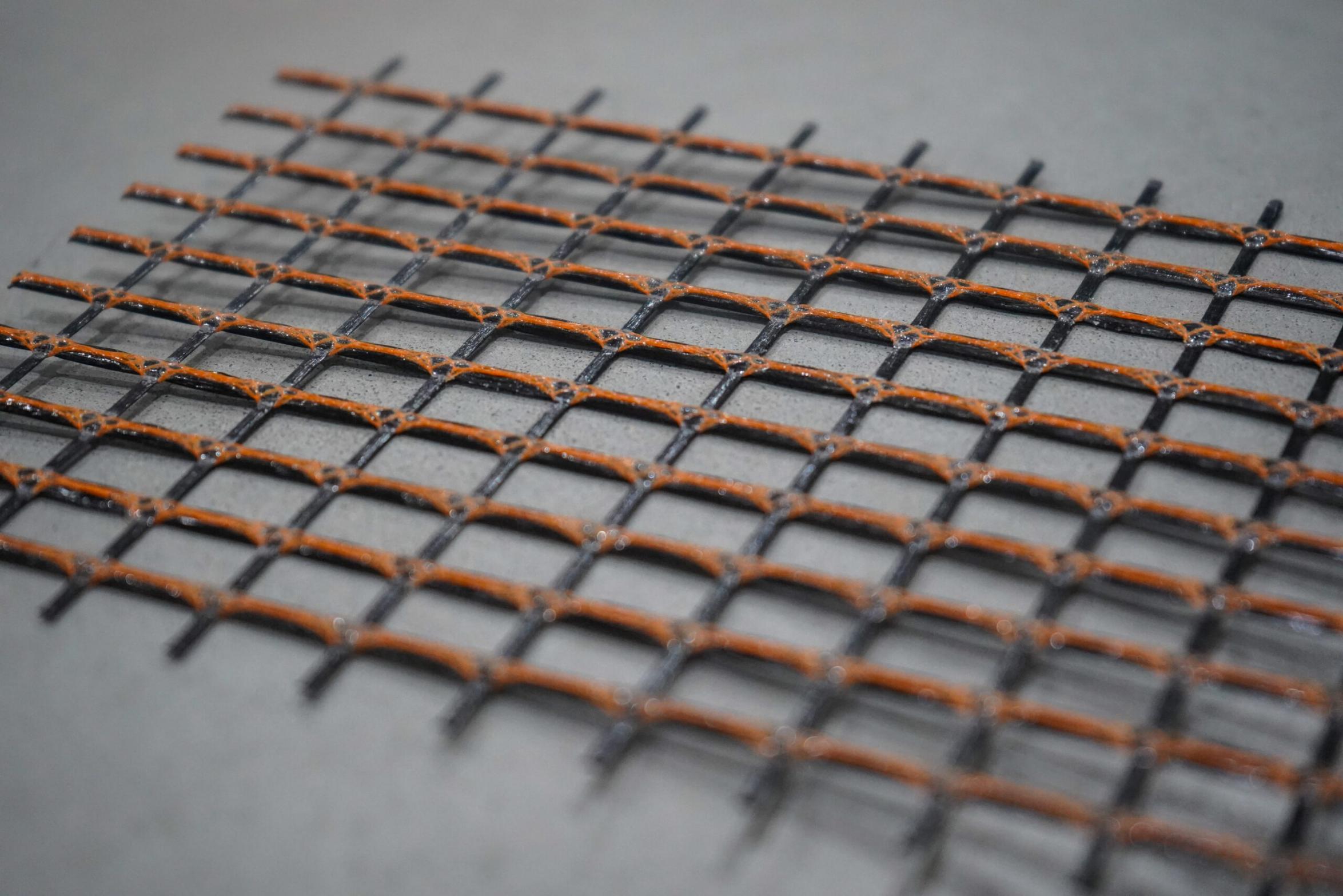
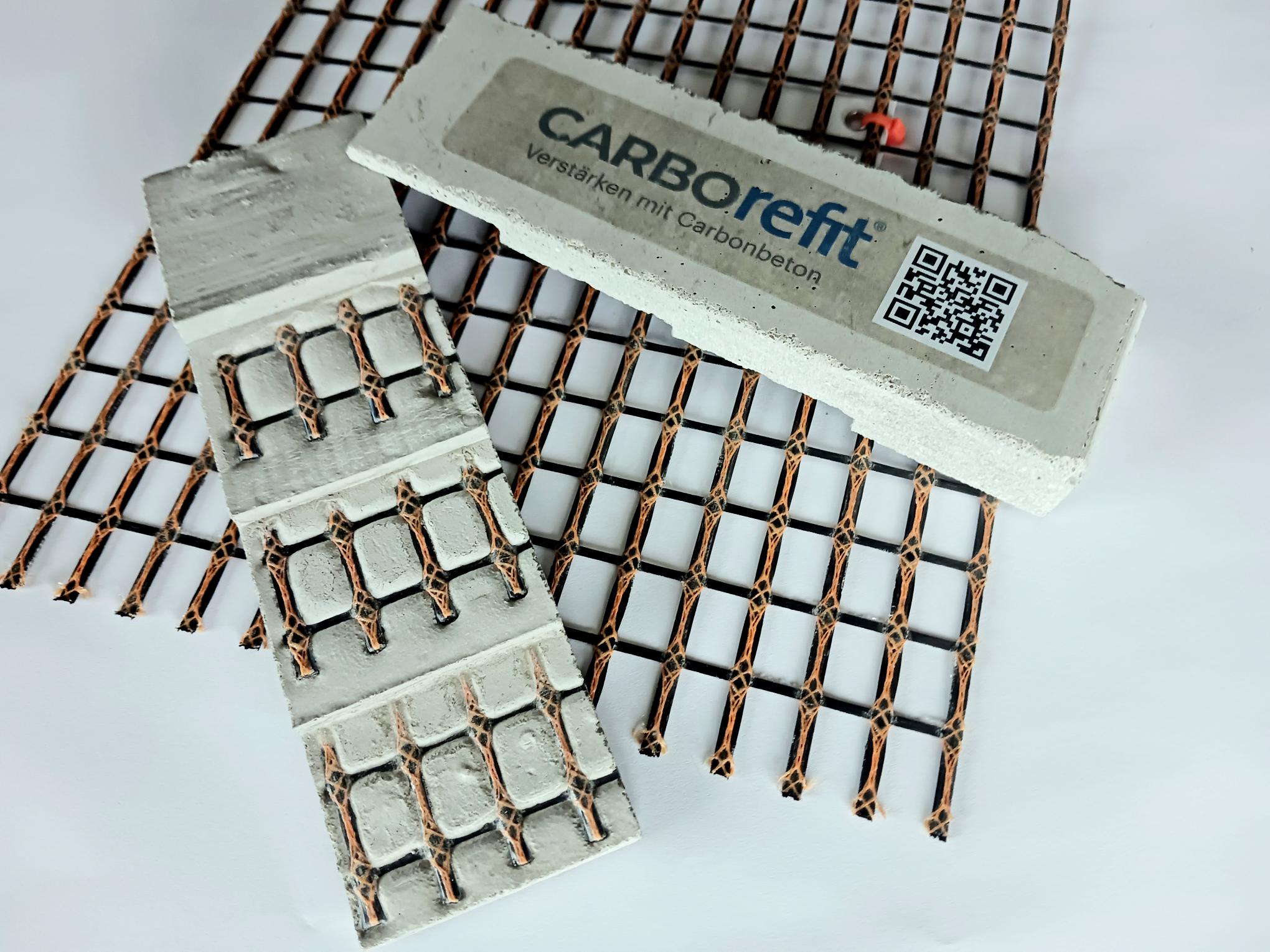
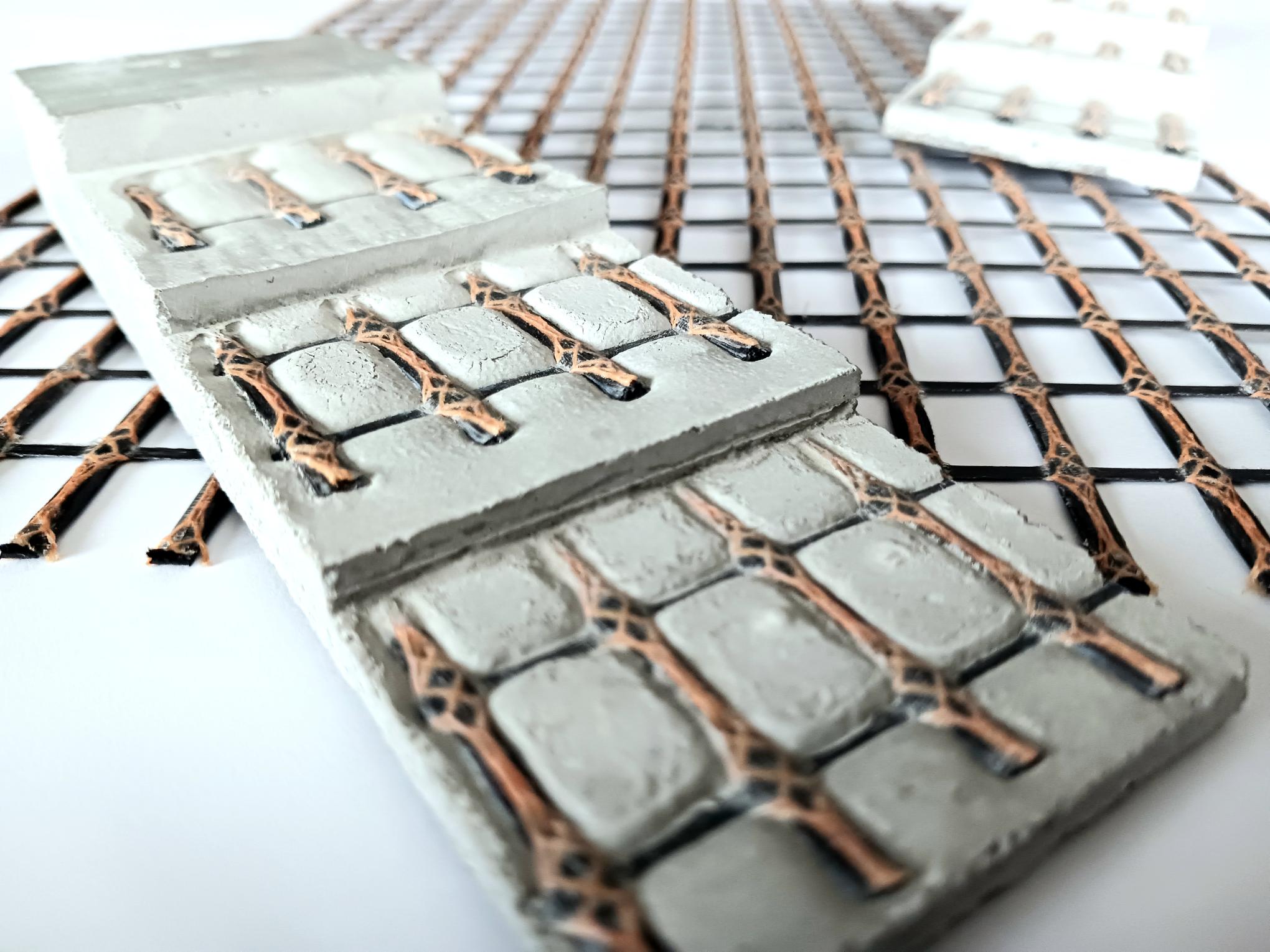
複合材料のカーボンコンクリートは、コンクリートとカーボン製の補強材(ソリディアン GRID カーボングリッド補強材など)という 2 つの高性能材料で構成されています。
当社は、CARBOrefit® 法専用に、カーボン繊維とアクリレート分散液をベースにした特殊なタイプのソリディアン GRID を製造しています。技術承認 Z-31.10-182 に従って、これらはカーボン補強グリッドのグループ「CARBOrefit® タイプ 3 標準バージョン」または「CARBOrefit® タイプ 3 特別バージョン」に分類されます。
材料の耐腐食性に加えて、グリッドの優れた引張強度、柔軟性、フラットな構造、超軽量、補強鋼マットに比べて機械加工が容易であることも特筆に値します。
これにより、比較的薄い補強層を既存のコンポーネントに簡単に適用できるなど、多くの利点が生まれます。これにより、建設現場での作業(頭上作業を含む)や輸送が容易になります。
カーボン グリッドの柔軟性が高いため、建物の曲面の補強も容易です。カーボン グリッドの高性能により、通常、カーボン コンクリート 1 層(合計補強厚さ約 10 mm)で、既存のコンポーネントの耐荷重能力を大幅に向上できます。
Solidian GRID カーボン ファイバー補強グリッドの極めて高い耐久性と 100 年を超える長寿命は、構造と細工に優しい補強方法に貢献し、今日の従来の補強方法よりも経済的にも優れています。
- すべての利点を一目で確認できます:
- 腐食しない素材なので、非常に耐久性があり長持ちします
- 補強鋼に比べて数倍の引張強度があります
- 柔軟性があり、鋼よりもはるかに軽いので、取り扱いや曲面の設計が非常に簡単です
- 持続可能な素材です。従来の方法に比べて補強層を減らすことで、水、骨材、セメントの消費量が大幅に削減され、原材料の消費量が減ります
- 補強層の厚さが大幅に減るため、既存の建物に最適なソリューションです (クリアハイトなどに準拠)
- 追加の高アルカリモルタル層により、コンクリートの覆いが増え、既存の建物の鉄筋が保護されます
- 追加のモルタル層により、カーボンファイバーシートに比べて優れた防火性能があります
カーボングリッドはコンクリート表面の近くに配置されているため、非常に効果的に作動します
詳細については、CARBOrefit® Web サイトをご覧ください: www.carborefit.de/english/
reinforcements for the future generations
Product Applications
CARBOrefit® は、炭素コンクリートで鉄筋コンクリート部品を強化するためのキットです。CARBOrefit® 細粒コンクリートの層を、手作業によるレイアップまたはスプレー プロセスを使用して、補強する鉄筋コンクリート部品のコンクリート表面に塗布します。これに、ソリディアン GRID などの炭素グリッド補強材を塗布し、細粒コンクリートの別の層を手作業によるレイアップまたはスプレーで塗布します。この新しく塗布された細粒コンクリートの層は、最終層として、または炭素グリッドのさらなる層のキャリア層として使用できます。この方法では、最大 4 層の炭素グリッド補強材を使用できます。
承認による使用および適用の範囲は、主に静的荷重を受ける鉄筋コンクリート部品の引張ゾーンの強化用に準備された表面上の単軸曲げ補強材 (炭素グリッドの縦方向または反り方向) にまで及びます。
詳細については、こちらからダウンロードできる CARBOrefit® のチラシを参照してください。
Solidian GRID カーボン グリッド補強材は、CARBOrefit® 方式で、特に以下の用途に使用できます。
補強 – 既存コンポーネントの耐荷重能力の向上
改修 – 既存コンポーネントの耐久性の回復
修理 – 既存コンポーネントの元の耐荷重能力の回復
適用分野:
指定建造物およびコンポーネント
橋梁建設
水力構造物
構造および土木工学
CARBOrefit® 方式の適用のために、すべての関連文書 (プランナー フォルダー、情報資料、出版物など) がまとめられています。 すべての文書の現在のバージョンは、www.carborefit.de のダウンロード エリアで入手できます。または、ここをクリックしてください (ほとんどがドイツ語のみ)。
カーボン コンクリートで補強材を設計しますか?
CARBOrefit® プロジェクトの設計は、FRILO「B2 鉄筋コンクリート設計」を使用したソフトウェア サポートで簡単に行えます。 詳細については、こちらをご覧ください (ドイツ語のみ)。
CARBOrefit® プロセス (サンプルテキスト) および CARBOrefit® カーボン グリッド補強材としての solidian GRID の入札書類は、www.ausschreiben.de (ドイツ語のみ) でご覧いただけます。
- Performance Enhancement
- Handling and Logistics
- Compliance and Compatibility
- Application and Installation
- Durability and Resistance
- Sustainability and Environmental Impact
- Is solidian GRID suitable for replacing corroded steel reinforcement?
- How does solidian GRID contribute to system durability when used with mortars?
- Can solidian GRID conform to curved surfaces during installation?
- How does the weight of solidian GRID affect transportation and installation?
- Is there an Environmental Product Declaration available for solidian GRID and solidian REBAR?
- Has solidian GRID received official building approvals?
- With which types of binders is solidian GRID compatible?
- Is solidian GRID approved for use in standard concrete applications?
- What is the minimum thickness required for concrete layers using solidian GRID?
- Can solidian GRID be used to reinforce existing concrete structures?
- What is the expected lifespan of solidian GRID in wastewater applications?
- How does solidian GRID perform in acidic environments?
- How does solidian GRID contribute to sustainable construction?
- Resource efficiency: By minimizing the need for extra concrete cover, solidian GRID conserves materials such as cement and aggregates, contributing to resource efficiency.
- Environmental Product Declarations (EPDs): solidian provides transparent data on the environmental impact of their products through EPDs, facilitating informed decision-making for sustainable building projects.
Solidian Kelteks - Reduced CO₂ emissions: The use of solidian GRID in construction can lead to significant reductions in CO₂ emissions due to decreased material usage and enhanced durability, which extends the lifespan of structures and reduces the need for repairs.
frequently asked questions
Yes, in cases where steel reinforcement has corroded, solidian GRID can serve as a substitute for structural reinforcement. The existing corroded steel can remain in place and be covered with a new layer of carbon-reinforced mortar, restoring structural integrity.
When combined with high-quality mortars, solidian GRID significantly enhances the overall durability of the system, providing a robust solution for demanding environments.
Yes, solidian GRID strikes a balance between stiffness and flexibility, allowing it to be applied to curved surfaces with diameters greater than 800mm.
The lightweight nature of solidian GRID facilitates easy transportation, even through sewage tunnels, and simplifies the installation process, reducing labor and equipment requirements.
Yes, a certified Environmental Product Declaration (EPD) is available for both solidian GRID and solidian REBAR. The EPD provides transparent and verified information about the environmental impact of these products throughout their life cycle, supporting sustainability assessments in construction projects.
Yes, solidian GRID has obtained the General Building Approval (abZ) from the German Institute for Building Technology (DIBt). This approval authorizes its use as carbon reinforcement grids in construction, ensuring compliance with national building standards.
solidian GRID is versatile and works with a range of binders, including Portland Cement, Calcium Aluminate Cements, and Geopolymer Cements.
solidian GRID holds German Approval as reinforcement for EN 206 concretes, supporting its compatibility with various mortar systems, including those adhering to DIN 19573.
Concrete layers reinforced with solidian GRID can be as thin as 20mm, as no additional concrete cover is needed to protect the reinforcement from corrosion.
Yes, solidian GRID can be applied as an additional layer over existing steel-reinforced concrete. When combined with solidian ANTICRACK, it offers enhanced crack-limiting properties, providing extra protection to the underlying steel reinforcement.
Classified under XWW4, solidian GRID ensures long-term performance for over 50 years, making it a durable choice for long-term infrastructure projects.
solidian GRID is fully resistant to severe acidic conditions, including environments with pH levels as low as 0. It has successfully passed tests in accordance with DIN 19573 standards for pH 0 and pH 1.
solidian GRID enables the design of thinner concrete layers (greater than 20mm) without requiring additional concrete cover for reinforcement protection. This reduction in material usage leads to lower resource consumption and a diminished environmental footprint, supporting more sustainable construction practices.
Additional information: