
Primafas
Prevent cracks and protect your facade system
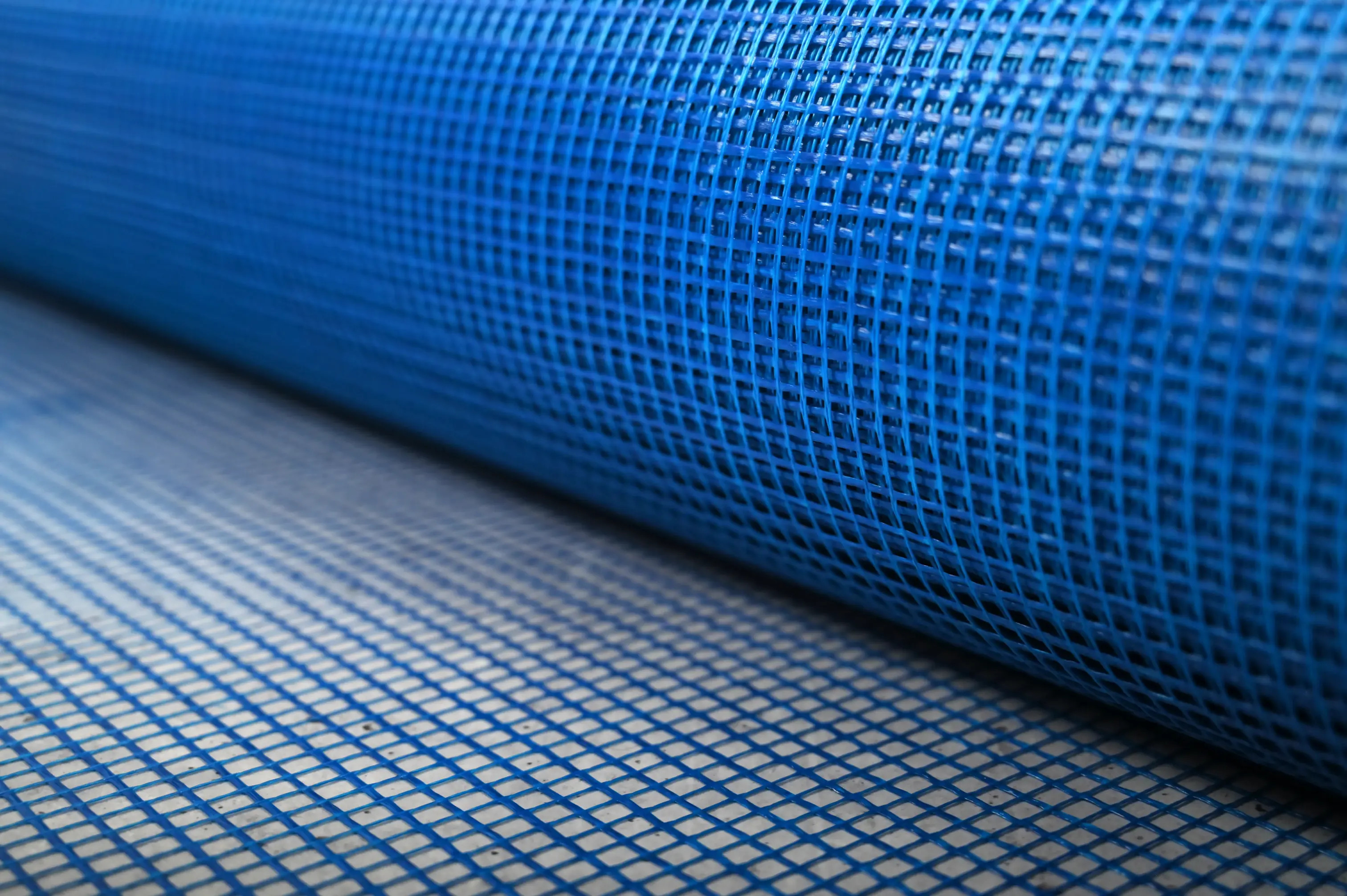
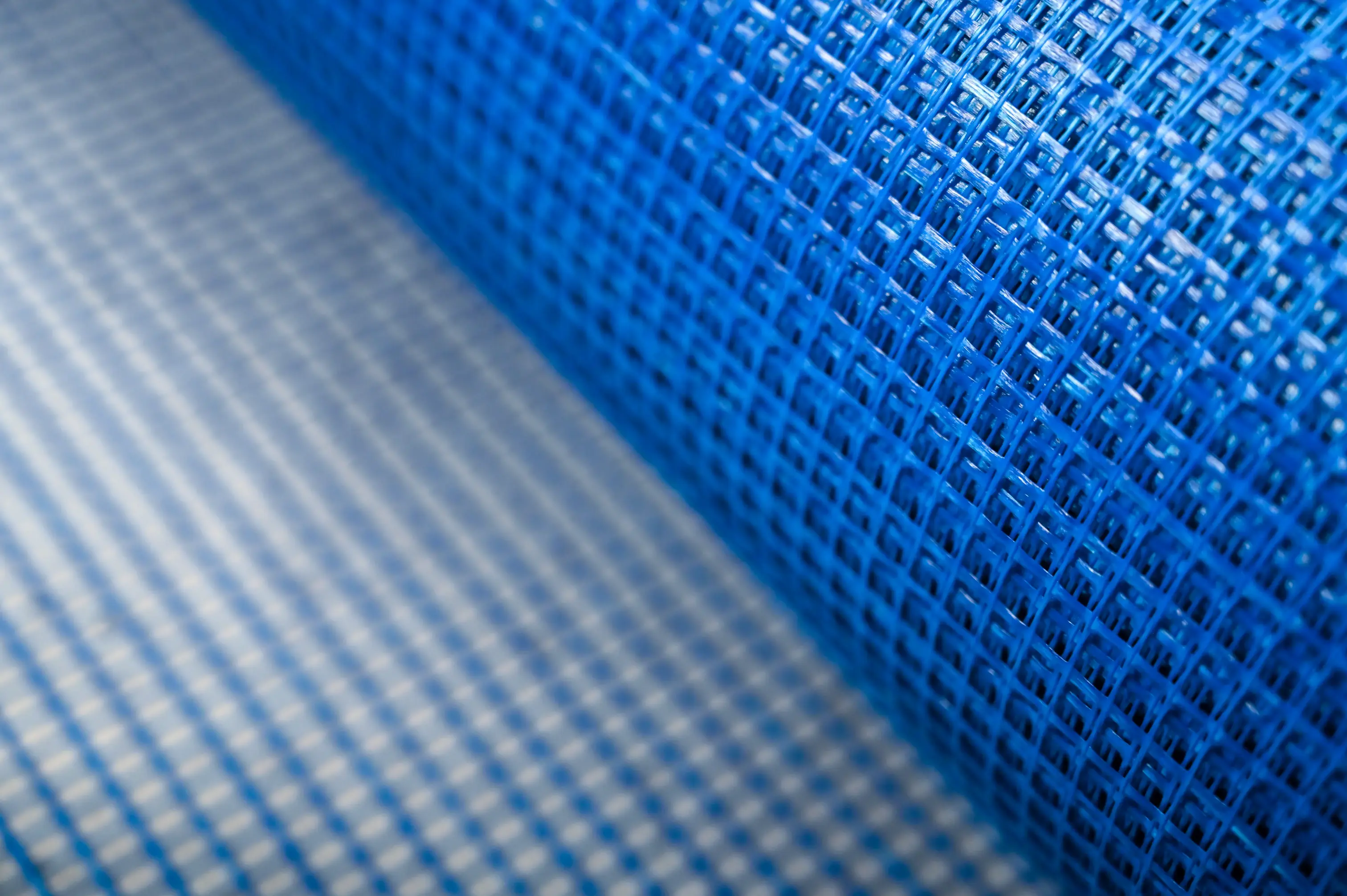
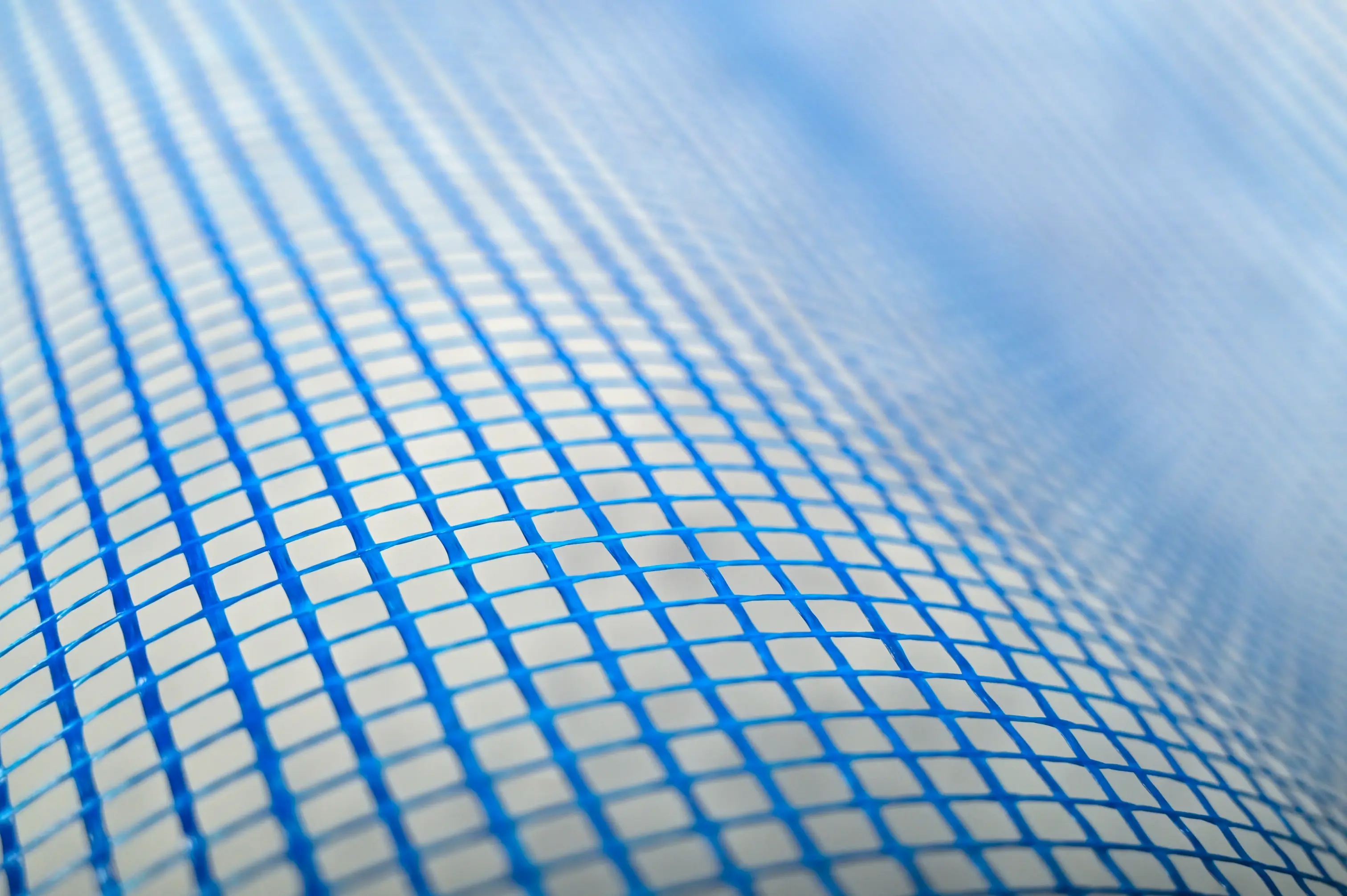
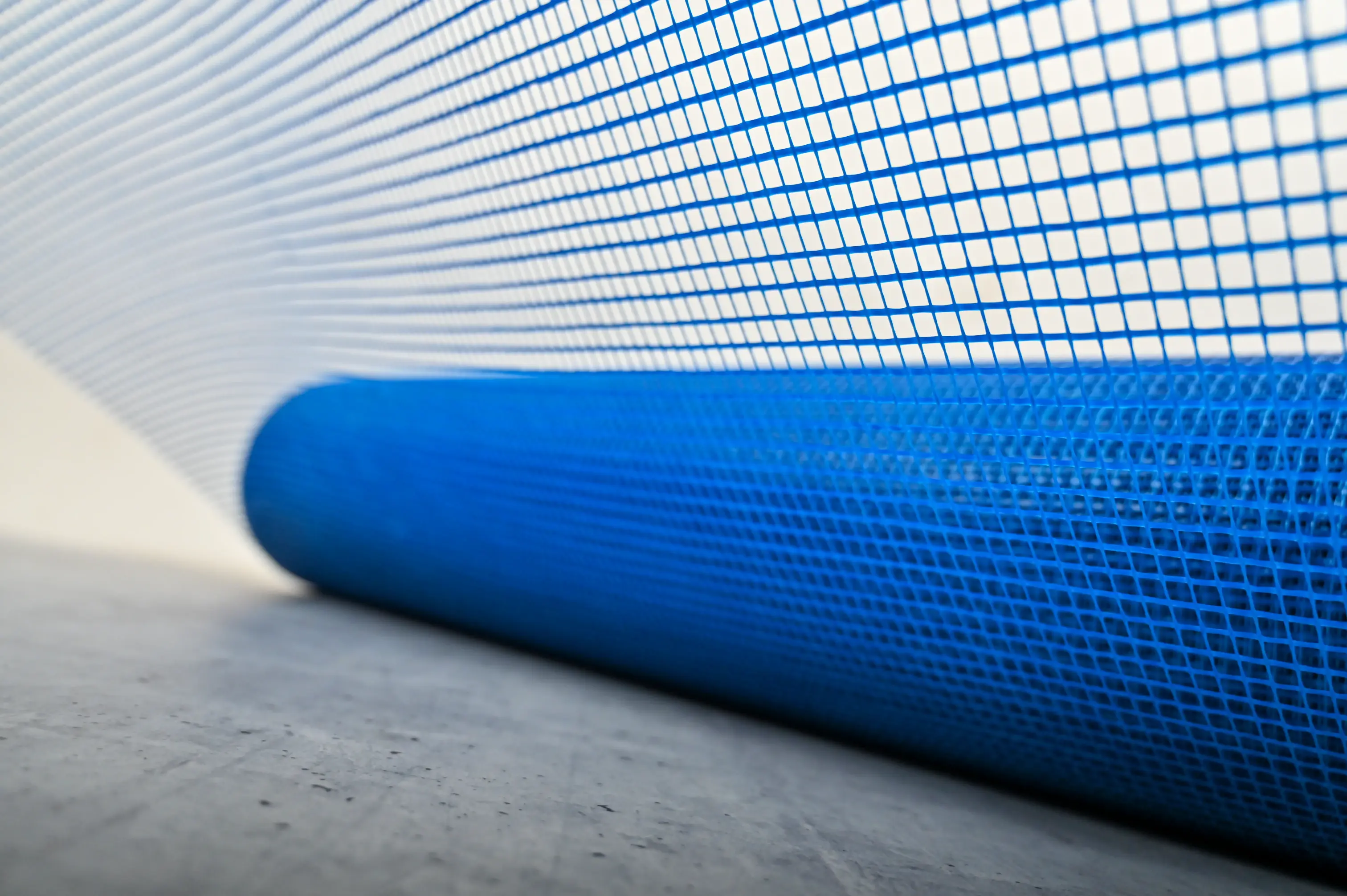
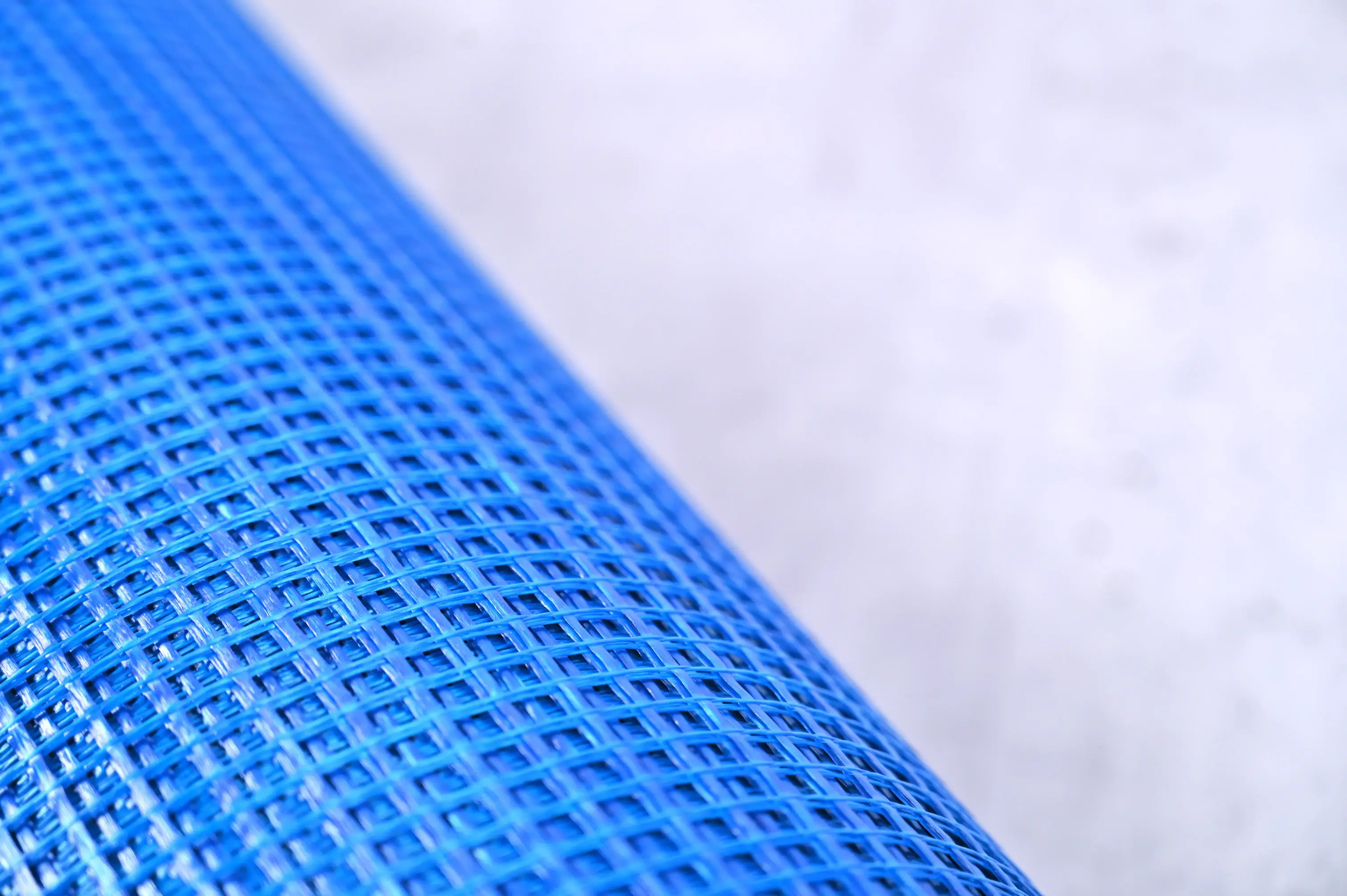
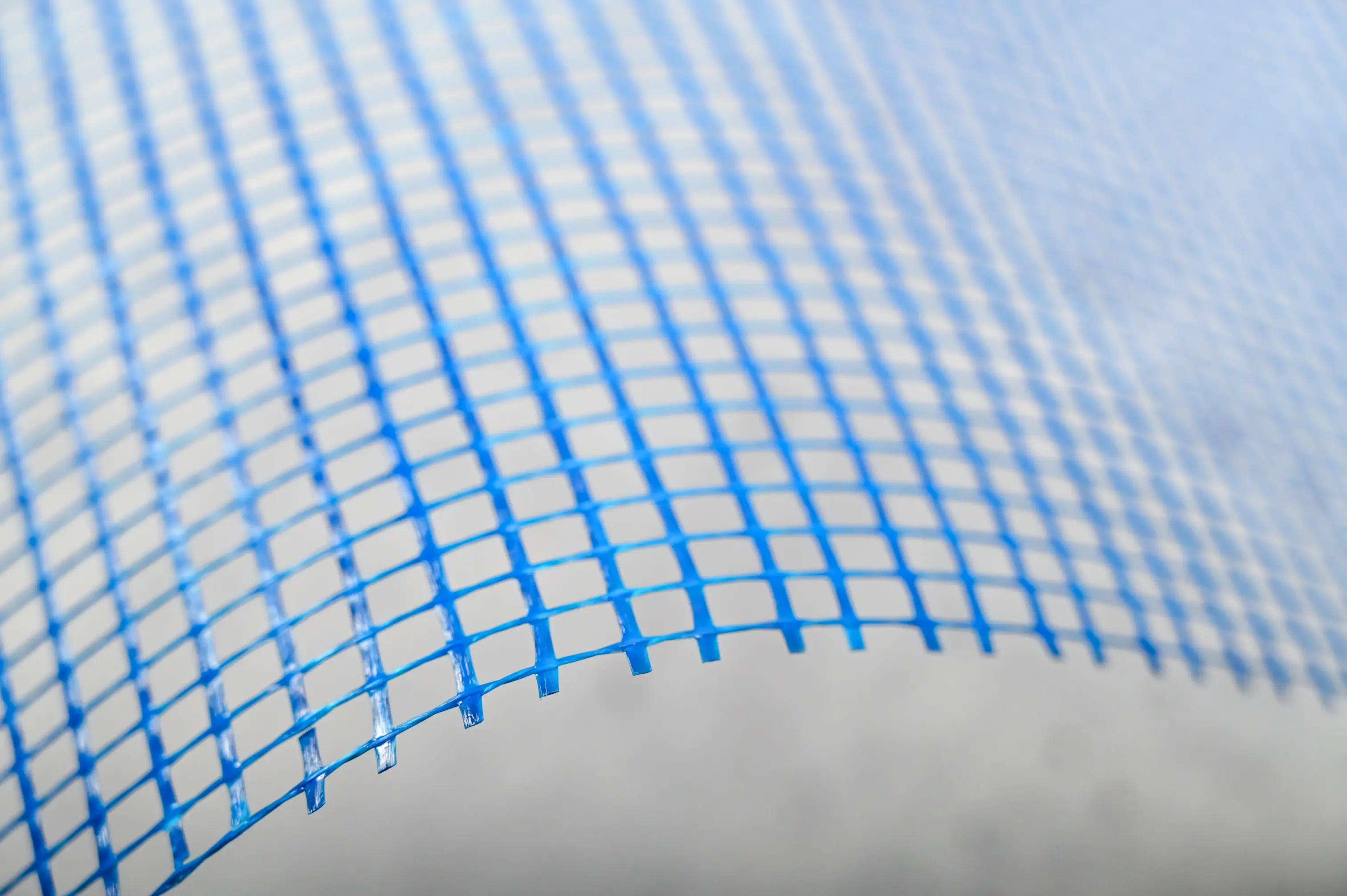
solidian Primafas for ETICS (External Thermal Insulation Composite System) is a reinforcing glass fiber mesh used in building construction for external wall applications.
The reinforcement mesh has a high tensile strength and low elongation to prevent the formation of cracks, and an alkali-resistant coating to protect the wall mesh while the render dries.
solidian Primafas mesh prevents any potential crack creation and by that protects the whole system from water infiltration and mould development. The life time of ETICS is by that prolonged to maximum.
Certified by EAD 040016-01-0404.
Product Features
Advantages
- E-glass known for stable fabric quality
- Excellent mechanical properties
- Non-corrosive
- Flexible reinforcement
- In-house developed technique & technology
- In-house conditioning and testing
- Does not add significant weight or mass to the structure
- Easy installation procedure
- Easy to cut
reinforcements for the future generations
CE mark
Flexibile
Easy Cutting
Long Life Span
Thermall Insulation
Reference project
Projects
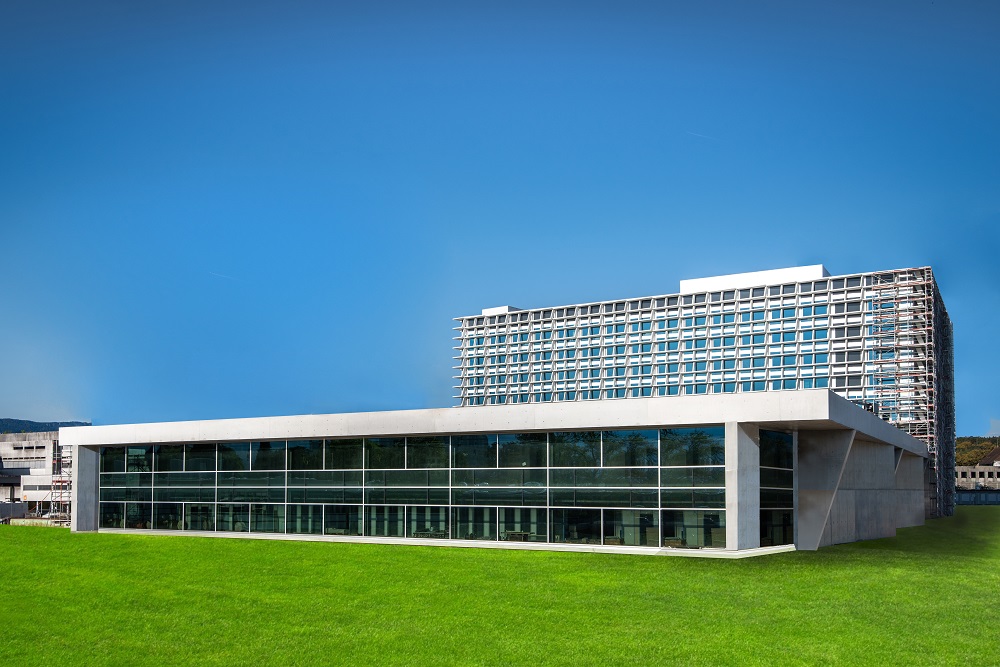
Bürgerspital Solothurn
Horizontal and vertical elements are securely mounted in front of the windows, enclosing the entire building. The interplay between space and light was a crucial aspect of the façade design. This project wouldn’t have been feasible with...
read more
Projects
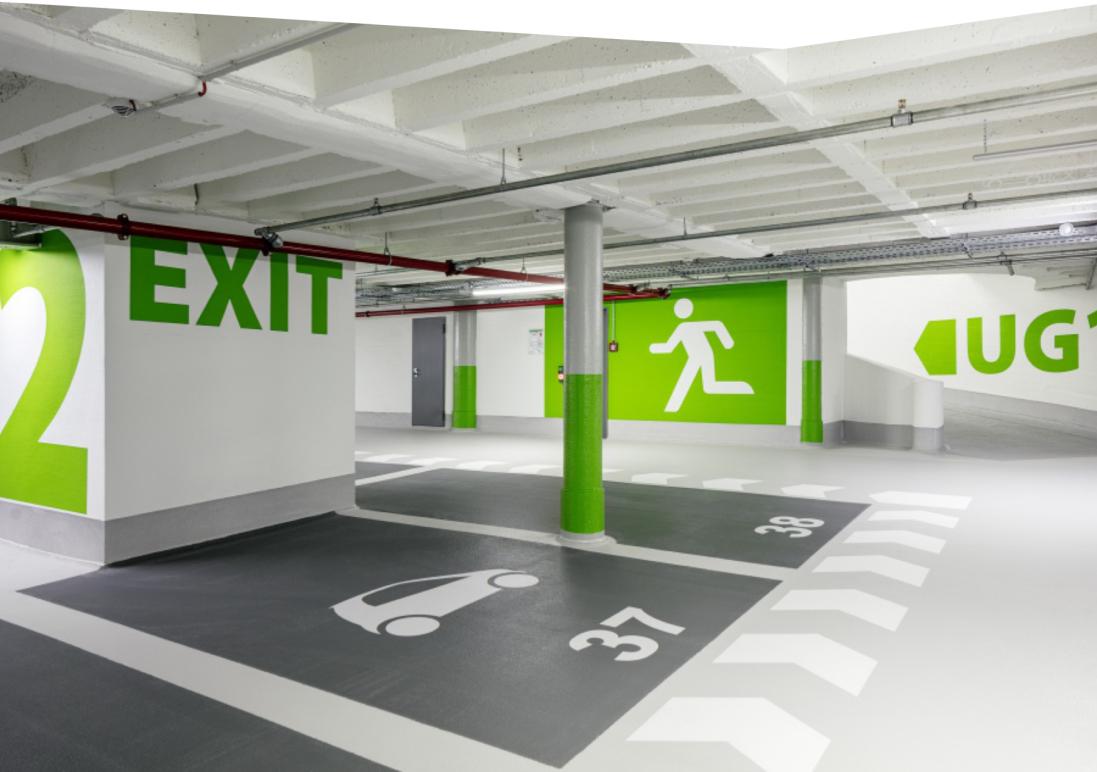
Underground parking garage Marquardtbau Stuttgart
In 2017, KNAAK+REICH project office was tasked with strengthening the structure of an underground car park and protecting it from further corrosion. To minimize the load on the approximately 1,600 m² area, a lightweight solution was...
read more

Projects
Bosporous bridge
For the cladding of bridge pylons at a height of 320 meters, the façade panels needed to be both lightweight and strong. Due to the substructure requirements and the challenges of handling at such great heights, each panel's weight was...
read more
Product Applications
solidian Primafas is mandatory component for ETICS system!
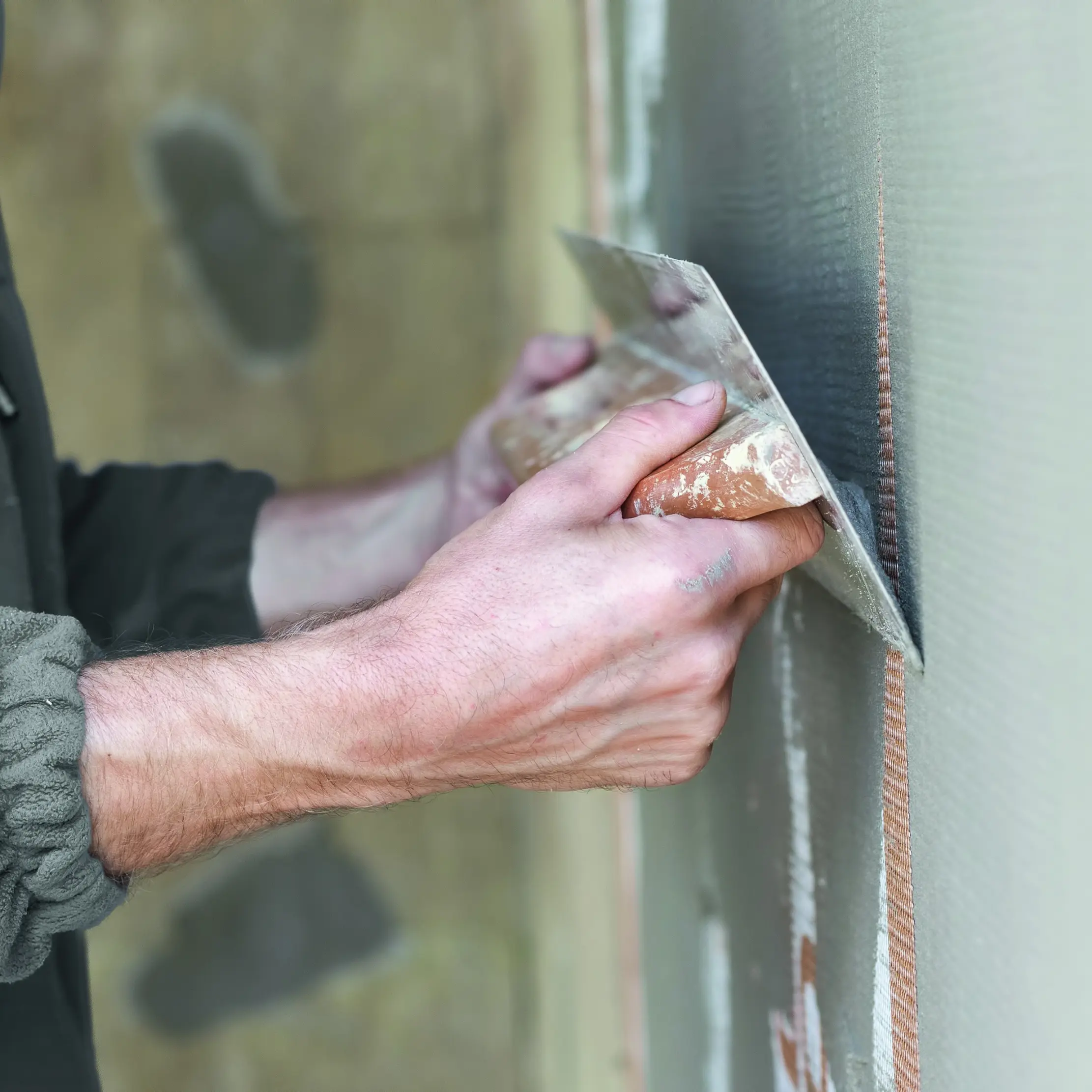
- Firstly, corner and window profiles should be correctly applied on the prepared surface. Then install the 30 × 50 cm mesh strips diagonally to avoid cracking.
- Apply the first layer of base coat over the entire surface.
- Apply the mesh from the top to the bottom of the wall by pressing it into the first layer of the base coat (starting from the centre then out to the side).
- The overlap between the two mesh strips should be a minimum of 10 cm to ensure continuity of reinforcement.
- Apply the rest of the base coat keeping the mesh in the upper third.
- Product & Technical Compatibility
- Process Efficiency & Performance
- Use Cases & Application Support
- Which composite manufacturing processes are your reinforcements compatible with?
- Are they compatible with automated production environments?
- How do your reinforcements help improve production efficiency?
- Can your reinforcements be adapted to our production setup?
- Can you help us choose the right reinforcement for our project?
- Are your products suitable for visually demanding applications?
- In which industries are your glass fiber reinforcements commonly used?
frequently asked questions
Your top inquiries, addressed
Our products are suitable for pultrusion, RTM, vacuum infusion, filament winding, and other continuous or closed-mold processes.
Yes. kelteks FreeMat and other glass reinforcements are optimized for high-speed production, offering clean handling and consistent quality across long production runs.
Our products ensure fast resin flow, excellent fiber wetting, and consistent fiber placement, leading to shorter cycle times and reduced scrap rates.
Yes. We can customize roll widths, formats, surface weights, and roll lengths to meet the specific needs of your process or equipment.
Our team provides technical guidance and product samples to help you test and select the best solution for your application.
Yes. Thin reinforcement layers like kelteks FreeMat become nearly invisible after resin infusion, making them ideal for transparent or aesthetic surfaces such as toboggans, water slides, and decorative panels. Check the product gallery here.
Our reinforcements are used in industrial equipment, construction components, transportation, electrical infrastructure, and marine applications. A key segment is the recreational industry, especially waterparks, where materials must be durable, non-corrosive, and visually appealing.