Unmatched durability and cost-efficiency
Transform water-exposed concrete infrastructures. Save costs. Build for generations.
read more


Every infrastructure project begins with a commitment to quality. Yet, corrosion, high maintenance, and material fatigue are costly setbacks. What if there was a way to eliminate these issues from the start?
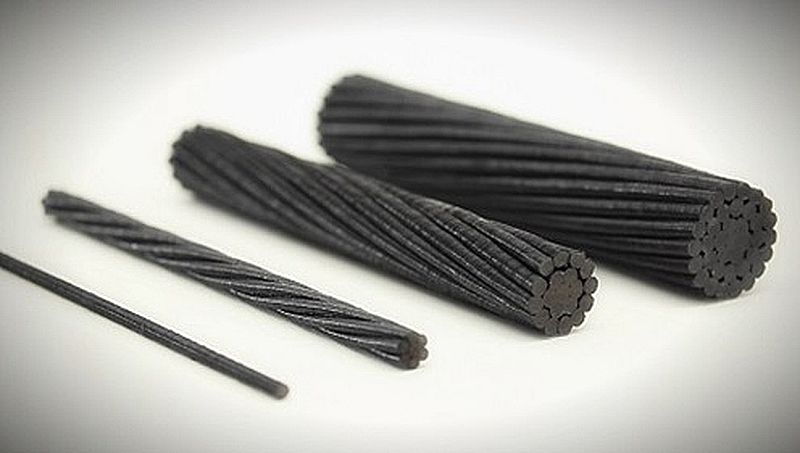
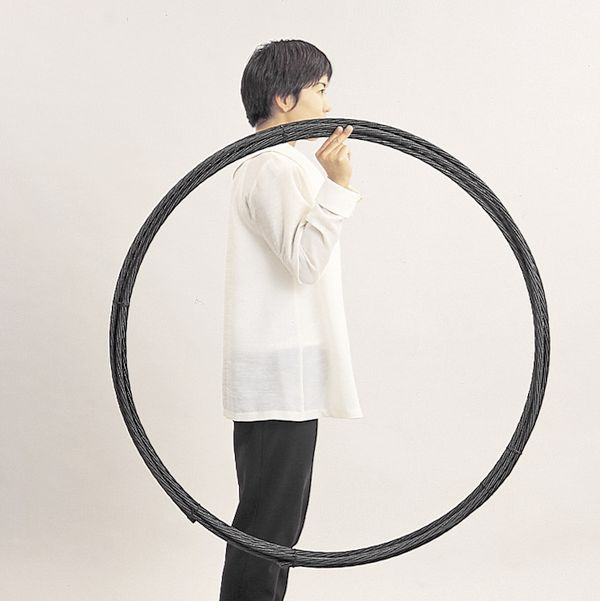
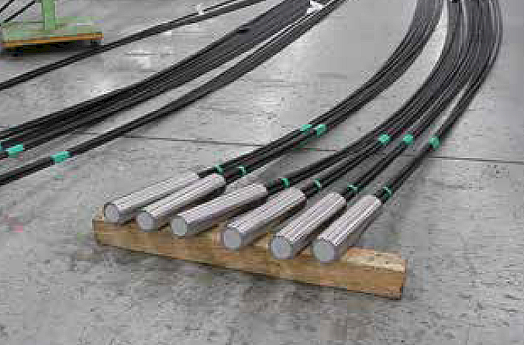
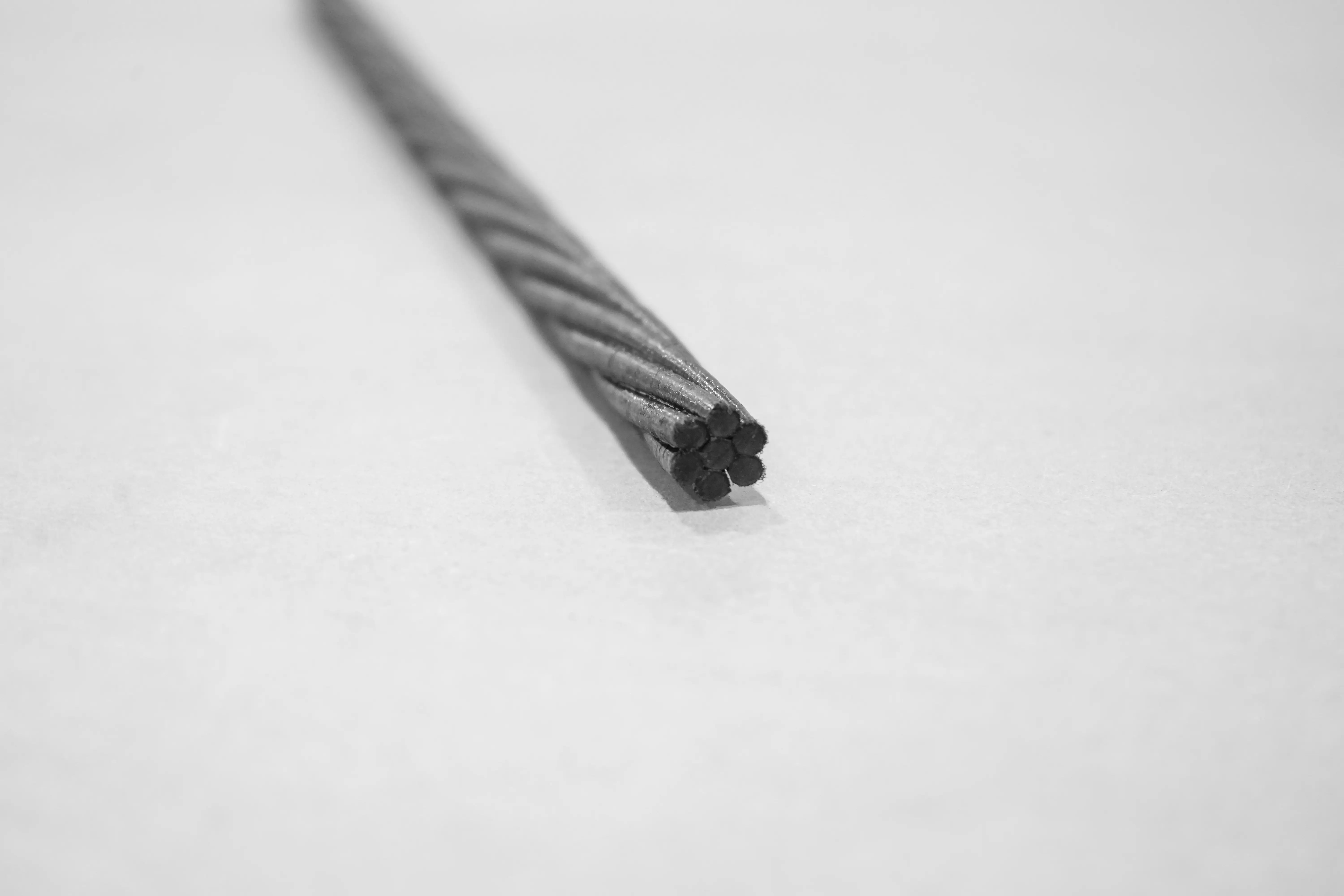
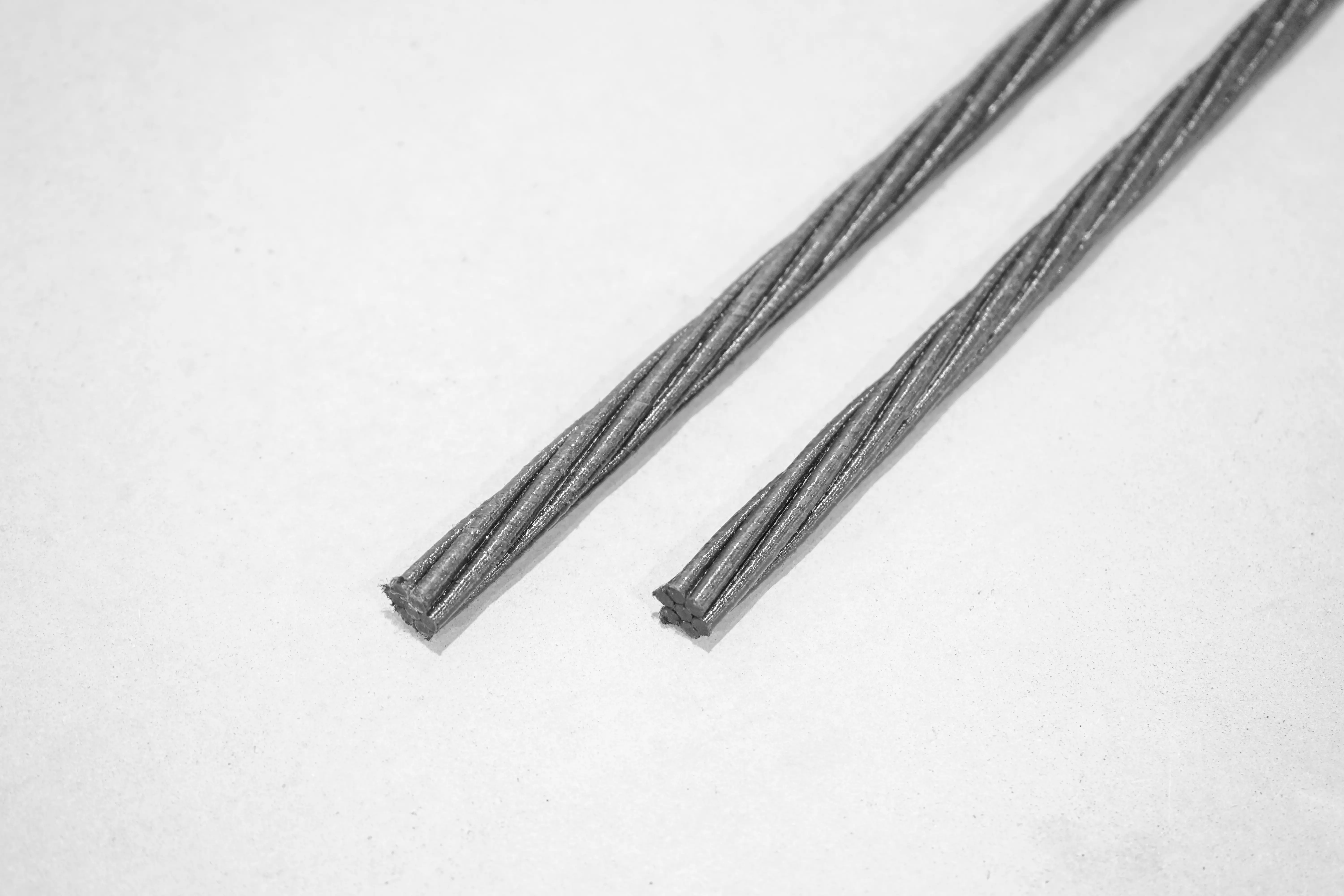
CFCC® from Tokyo Rope is designed to be the solution for professionals who demand more—high tensile strength, zero rust, and minimal relaxation loss. CFCC® reduces the need for repairs, saving time, money, and resources.
The advanced technology used for traditional iron ropes is fully compatible with carbon fiber composite cables, meaning no new equipment or infrastructure is required. You can seamlessly upgrade to the superior performance of CFCC® without any added implementation expenses, maximizing your ROI from day one.
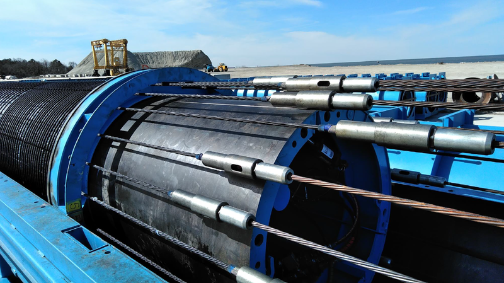
Lifecycle Cost Analysis Highlight the Savings: “With its corrosion resistance and low maintenance, CFCC® offers up to 30% savings in lifecycle costs compared to steel. Less upkeep means fewer expenses, allowing you to allocate resources where they matter most.”
Comparison Chart: Simple visualization comparing lifecycle costs of CFCC, black steel, and epoxy-coated steel, showing the savings potential.
Eco-Friendly Benefits Durable and Sustainable: CFCC® contributes to eco-friendly construction by reducing the need for replacements and lowering resource consumption. Longer-lasting infrastructure equates to less waste and fewer resources spent on repairs.
Supporting Quote: “CFCC® allows infrastructure to be built once and built to last, minimizing environmental impact.”
| Name | Weight (g/m) | Diameter (mm) | Material |
|---|---|---|---|
|
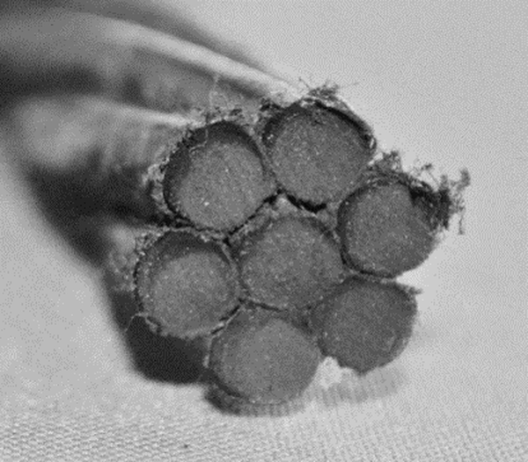
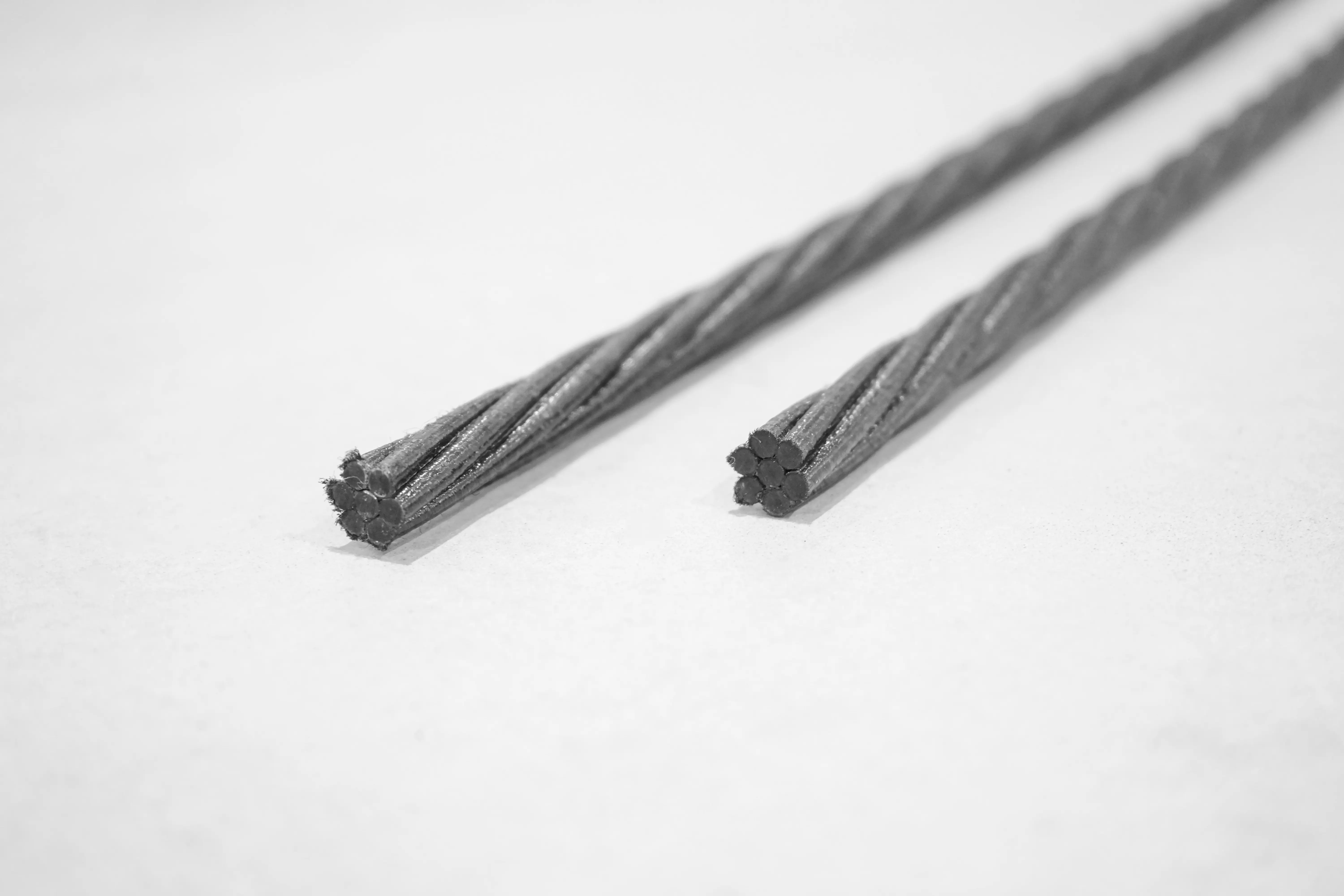
CFCC 1x7 D12,5 |
146 | 12,5 | Carbon |
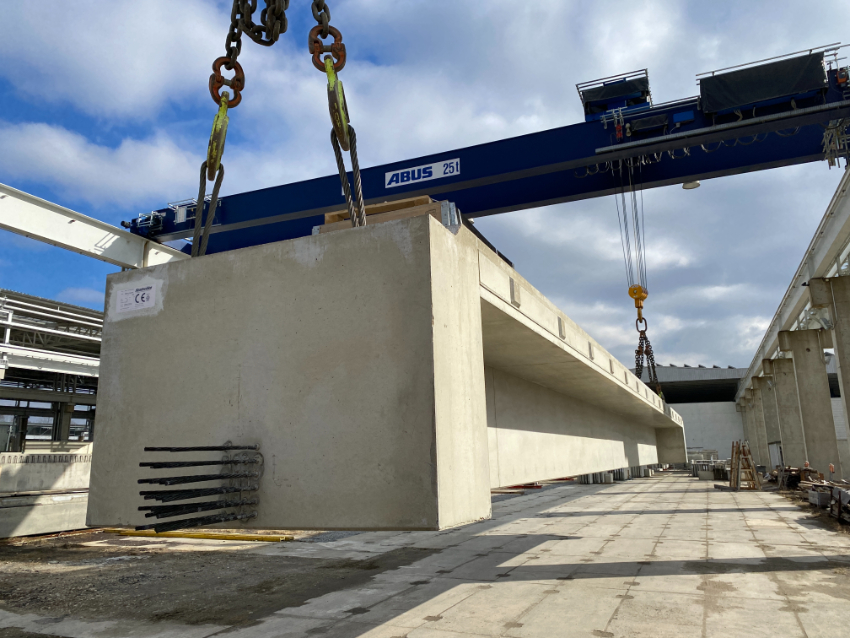
Versatile applications of CFRP strands in the construction industry
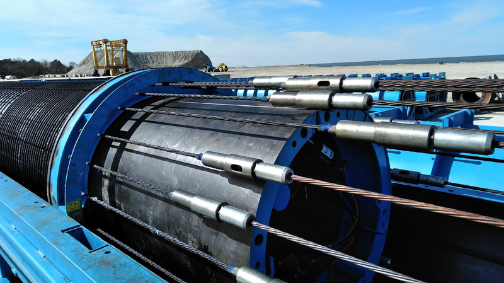
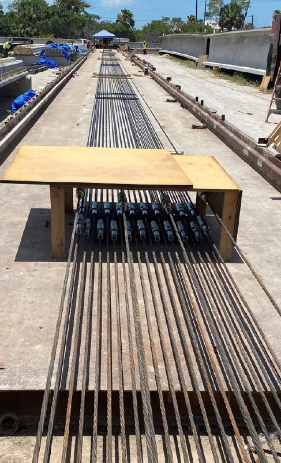
CFRP (Carbon Fiber Reinforced Polymer) strands offer innovative solutions for a variety of prestressing methods and are indispensable in numerous construction projects. They can be used for bonded prestressing (both immediate and post-tensioning) as well as unbonded prestressing (internal and external). This flexibility makes them ideal for meeting a wide range of structural requirements.
Wide range of applications
CFRP strands are used in civil engineering structures and building construction. They are particularly suitable for load-bearing components such as bridges and bridge decks, tower segments, prestressed floors, and girders. Their high strength and corrosion resistance make them an excellent choice for demanding projects.
Durable performance – Even in challenging environments
The exceptional material properties of CFRP strands enable their use in a variety of environmental conditions. They can be applied everywhere, with significant advantages for structures located near the sea. Due to their high resistance to corrosion from salty air and water, CFRP strands are ideal for coastal projects, ensuring a durable, low-maintenance solution.
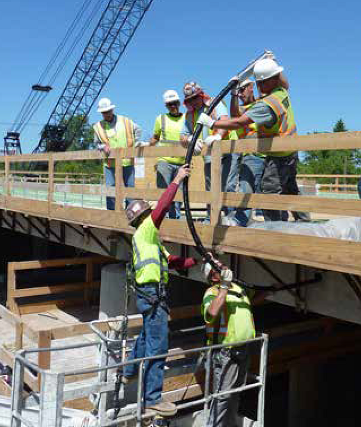
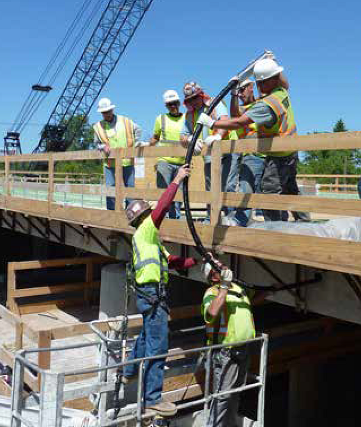
Case Study #1 – Beddington Trail Bridge
Case Study #2 – Yamanashi Maglev Test Line
Request a Quote below, or speak with an expert. We are here for YOU. Always. Personally.
Yes, in cases where steel reinforcement has corroded, solidian GRID can serve as a substitute for structural reinforcement. The existing corroded steel can remain in place and be covered with a new layer of carbon-reinforced mortar, restoring structural integrity.
When combined with high-quality mortars, solidian GRID significantly enhances the overall durability of the system, providing a robust solution for demanding environments.
Yes, solidian GRID strikes a balance between stiffness and flexibility, allowing it to be applied to curved surfaces with diameters greater than 800mm.
The lightweight nature of solidian GRID facilitates easy transportation, even through sewage tunnels, and simplifies the installation process, reducing labor and equipment requirements.
Yes, a certified Environmental Product Declaration (EPD) is available for both solidian GRID and solidian REBAR. The EPD provides transparent and verified information about the environmental impact of these products throughout their life cycle, supporting sustainability assessments in construction projects.
Yes, solidian GRID has obtained the General Building Approval (abZ) from the German Institute for Building Technology (DIBt). This approval authorizes its use as carbon reinforcement grids in construction, ensuring compliance with national building standards.
solidian GRID is versatile and works with a range of binders, including Portland Cement, Calcium Aluminate Cements, and Geopolymer Cements.
solidian GRID holds German Approval as reinforcement for EN 206 concretes, supporting its compatibility with various mortar systems, including those adhering to DIN 19573.
Concrete layers reinforced with solidian GRID can be as thin as 20mm, as no additional concrete cover is needed to protect the reinforcement from corrosion.
Yes, solidian GRID can be applied as an additional layer over existing steel-reinforced concrete. When combined with solidian ANTICRACK, it offers enhanced crack-limiting properties, providing extra protection to the underlying steel reinforcement.
Classified under XWW4, solidian GRID ensures long-term performance for over 50 years, making it a durable choice for long-term infrastructure projects.
solidian GRID is fully resistant to severe acidic conditions, including environments with pH levels as low as 0. It has successfully passed tests in accordance with DIN 19573 standards for pH 0 and pH 1.
solidian GRID enables the design of thinner concrete layers (greater than 20mm) without requiring additional concrete cover for reinforcement protection. This reduction in material usage leads to lower resource consumption and a diminished environmental footprint, supporting more sustainable construction practices.
Additional information: