
Unmatched durability and cost-efficiency
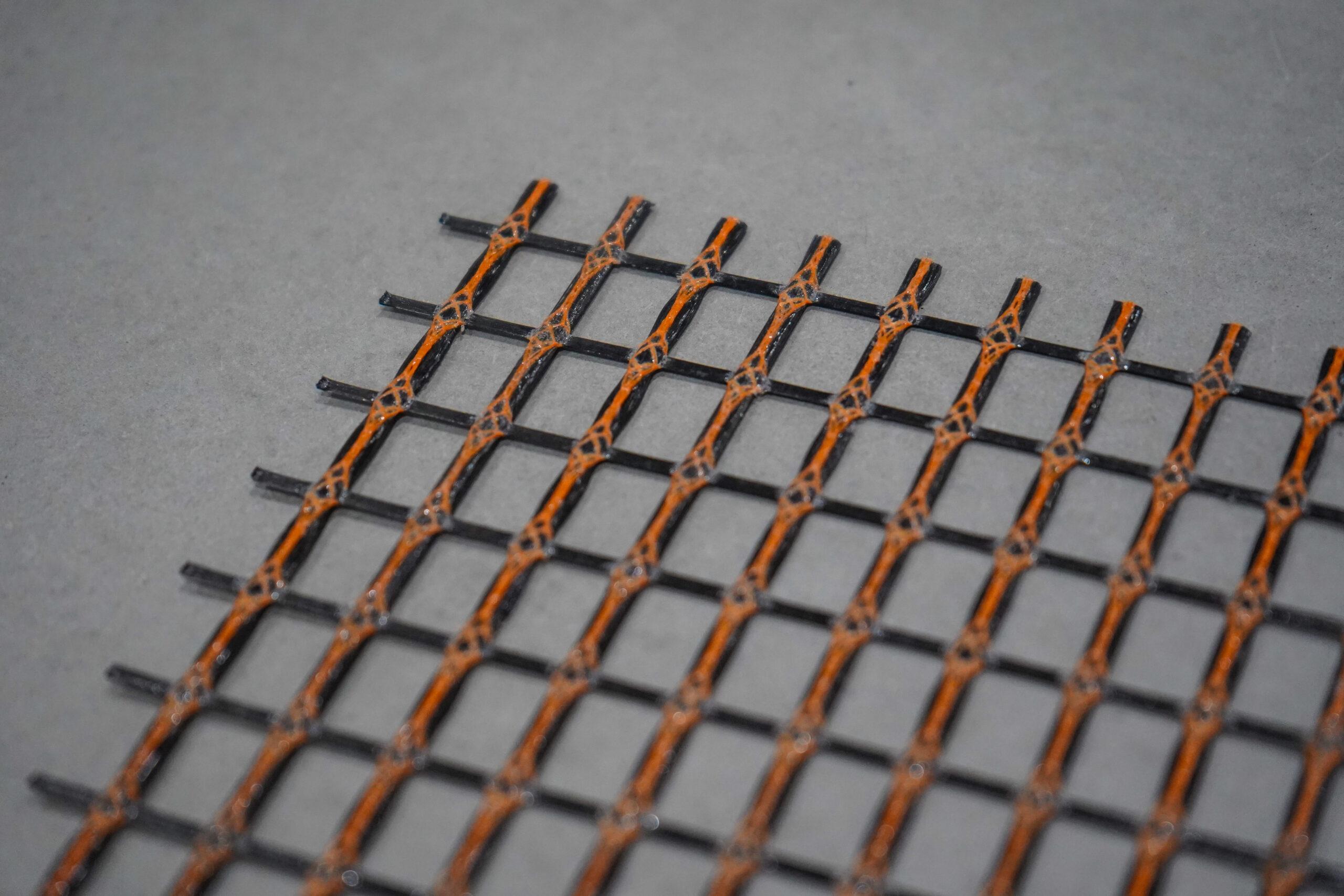

GRID CARBOrefit
Minimal concrete layer.
Strengthening of structures.
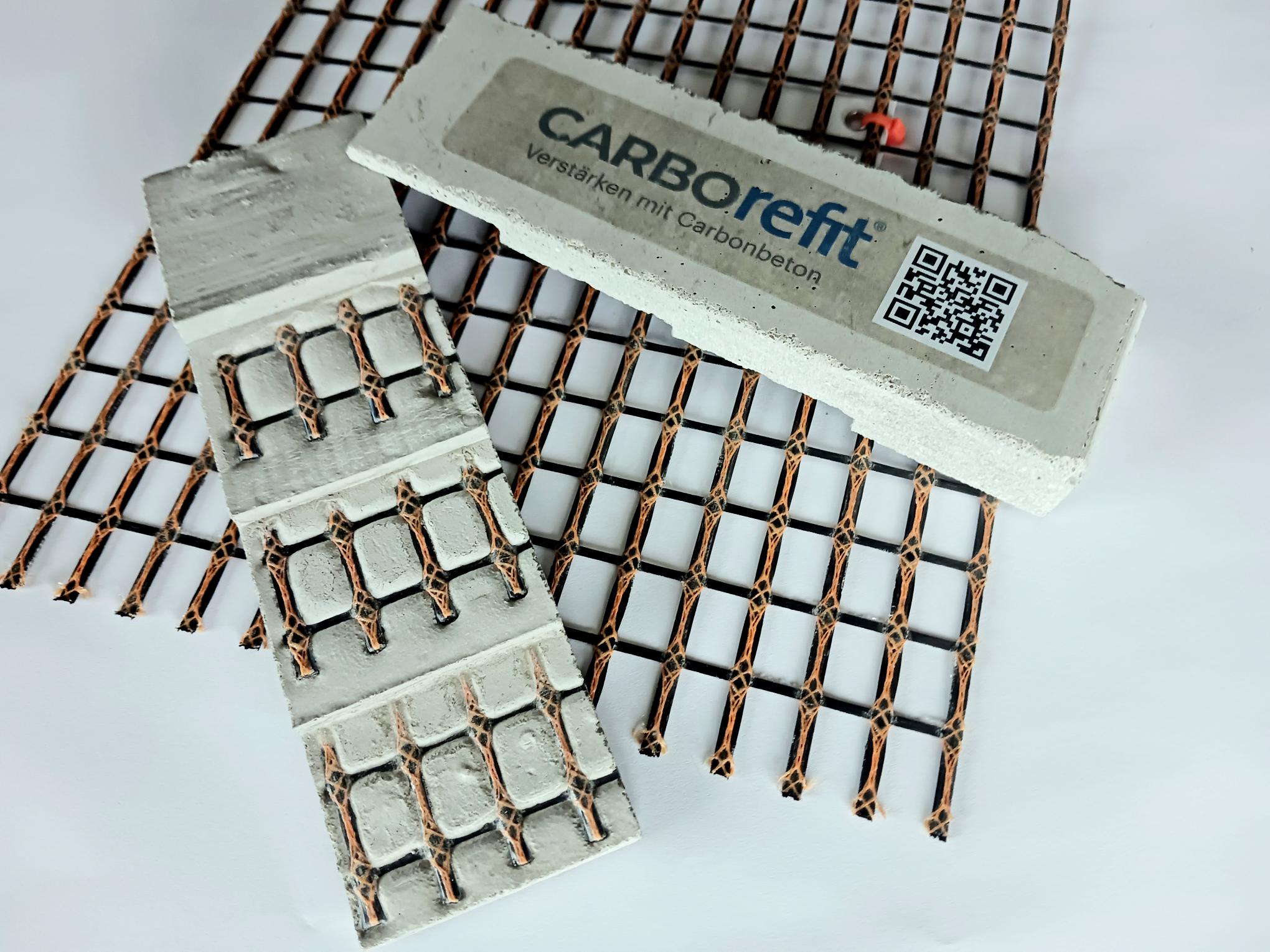
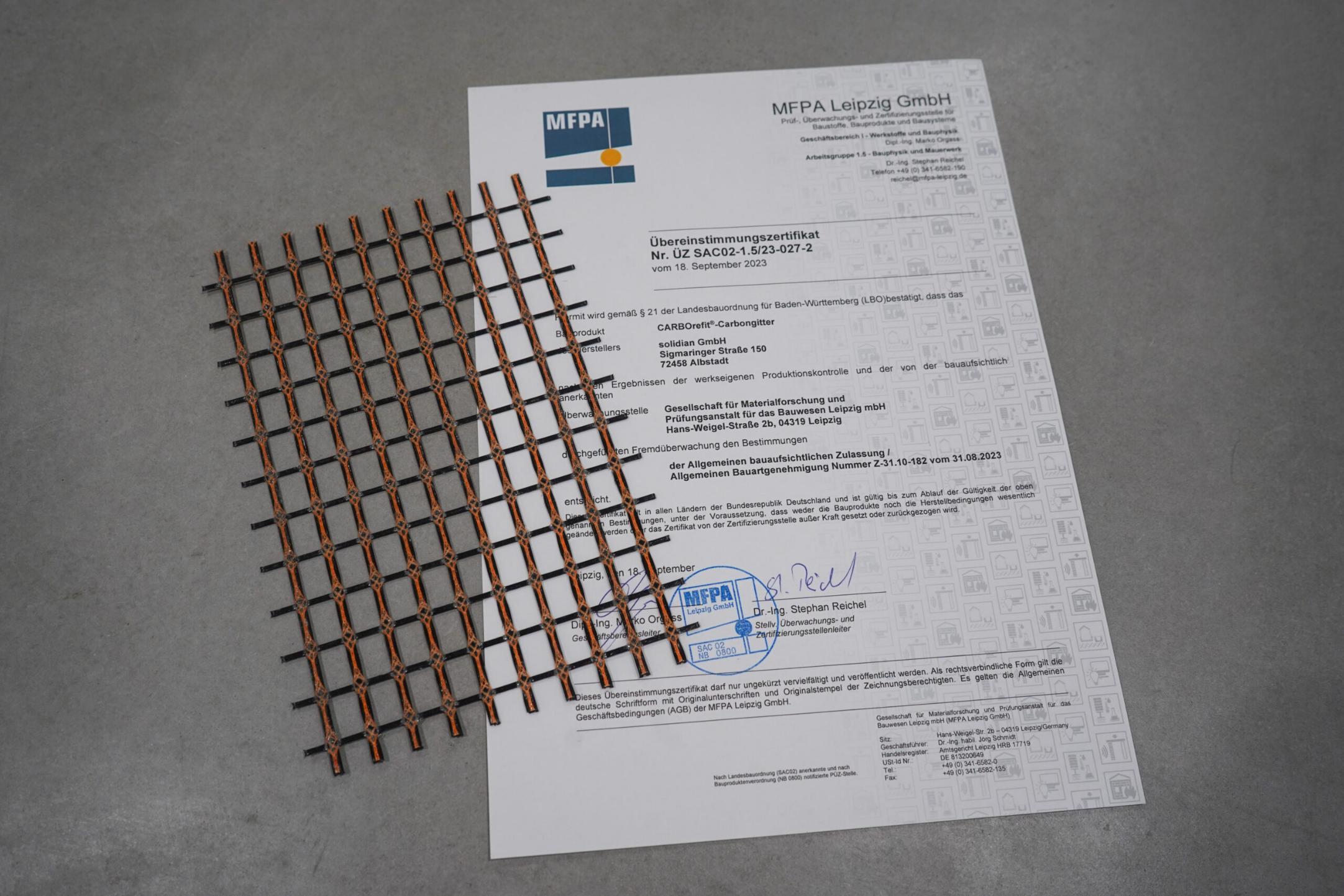
CARBOrefit® stands for a sustainable and resource-saving strengthening solution that simultaneously secures the existing structure and increases its load-bearing capacity and durability. CARBOrefit® can be used efficiently, economically and in a variety of ways. The German technical approval / general construction technique permit Z-31.10-182 (click on number to download German approval) provides planners a solution that makes a special contribution to resource-saving design in the construction industry.
The CARBOrefit®-method counters the throwaway mentality in the construction industry, as preserving, further developing, converting and reutilising the existing building stock is seen as a key lever for climate-friendly construction. CARBOrefit® was honoured with the DNGB* Audience Award 2023 as part of the sustainable change “Preservation instead of demolition”.
* Deutsche Gesellschaft für Nachhaltiges Bauen - DGNB e.V. (German Sustainable Building Council)
Product Features
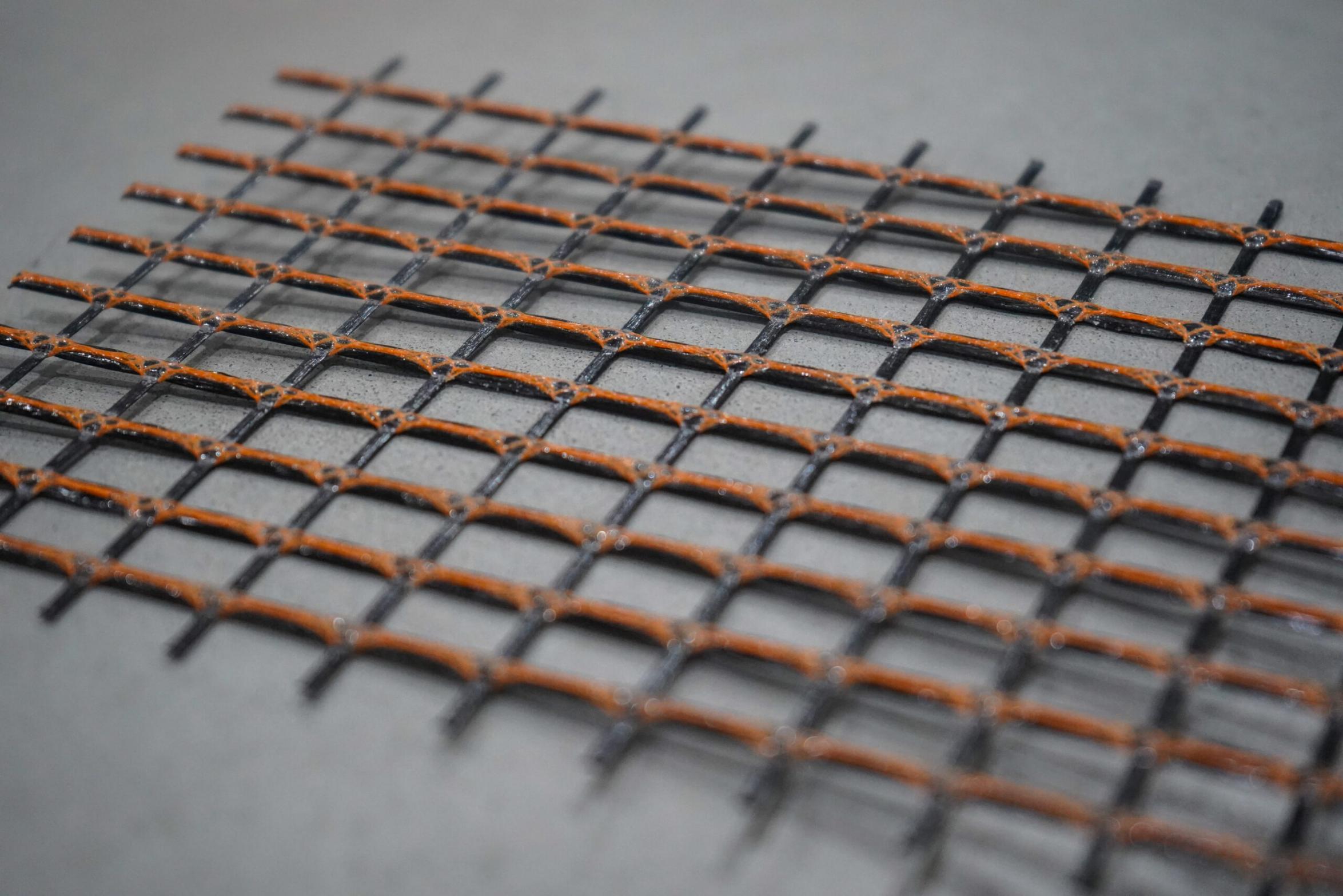
The composite material carbon concrete consists of the two high-performance materials - concrete and a reinforcement made of carbon, such as the solidian GRID carbon grid reinforcement.
We have produced special types of solidian GRID based on carbon fibres and a acrylate dispersion especially for the CARBOrefit® method. In accordance with technical approval Z-31.10-182 these are categorised in the group of carbon reinfocement grids “CARBOrefit® Type 3 standard version” or “CARBOrefit® Type 3 special version”.
In addition to the corrosion resistance of the material, the high characteristic tensile strength, the flexibility and the flat structure of the grid, the super-light weight and the easy machinability compared to reinforcement steel mats should be mentioned.
This results in many advantages, e.g. the ease with which the comparatively thin strengthening layer can be applied to existing components, which facilitates work on the construction site (including overhead work) and transport.
The high flexibility of the carbon grids also makes it easy to reinforce highly curved building surfaces. Due to the high performance of the carbon grid, one layer of carbon concrete (~ 10 mm total strengthening thickness) is usually sufficient to significantly increase the load-bearing capacity of the existing component.
The extreme durability and the long service life of over 100 years of solidian GRID carbon fibre reinforcement grid contribute to a strengthening method that is gentle on the structure and filigree, which is also economically superior to today’s conventional strengthening measures.
All advantages at a glance:
- corrosion-free material, therefore very durable and long-lasting
- several times higher tensile strength compared to reinforcement steel
- flexible and much lighter than steel, therefore very easy to handle and design curved surfaces
- sustainable material, as the consumption of water, aggregates and cement is significantly reduced by reducing the strengthening layer compared to conventional methods, thus reducing the consumption of raw materials
- significant reduction of the strengthening thickness, thus optimal solution for existing buildings (compliance with clear heights, etc.)
- additional high-alkaline mortar layer increases the concrete cover and protects steel reinforcement of existing buildings
- better fire protection compared to carbon fiber sheets due to an additional mortar layer
- the carbon grids can be activated very effectively due to their placement close to the concrete surface
Further information can be found on the CARBOrefit® website: www.carborefit.de/english/
reinforcements for the future generations
Product Applications
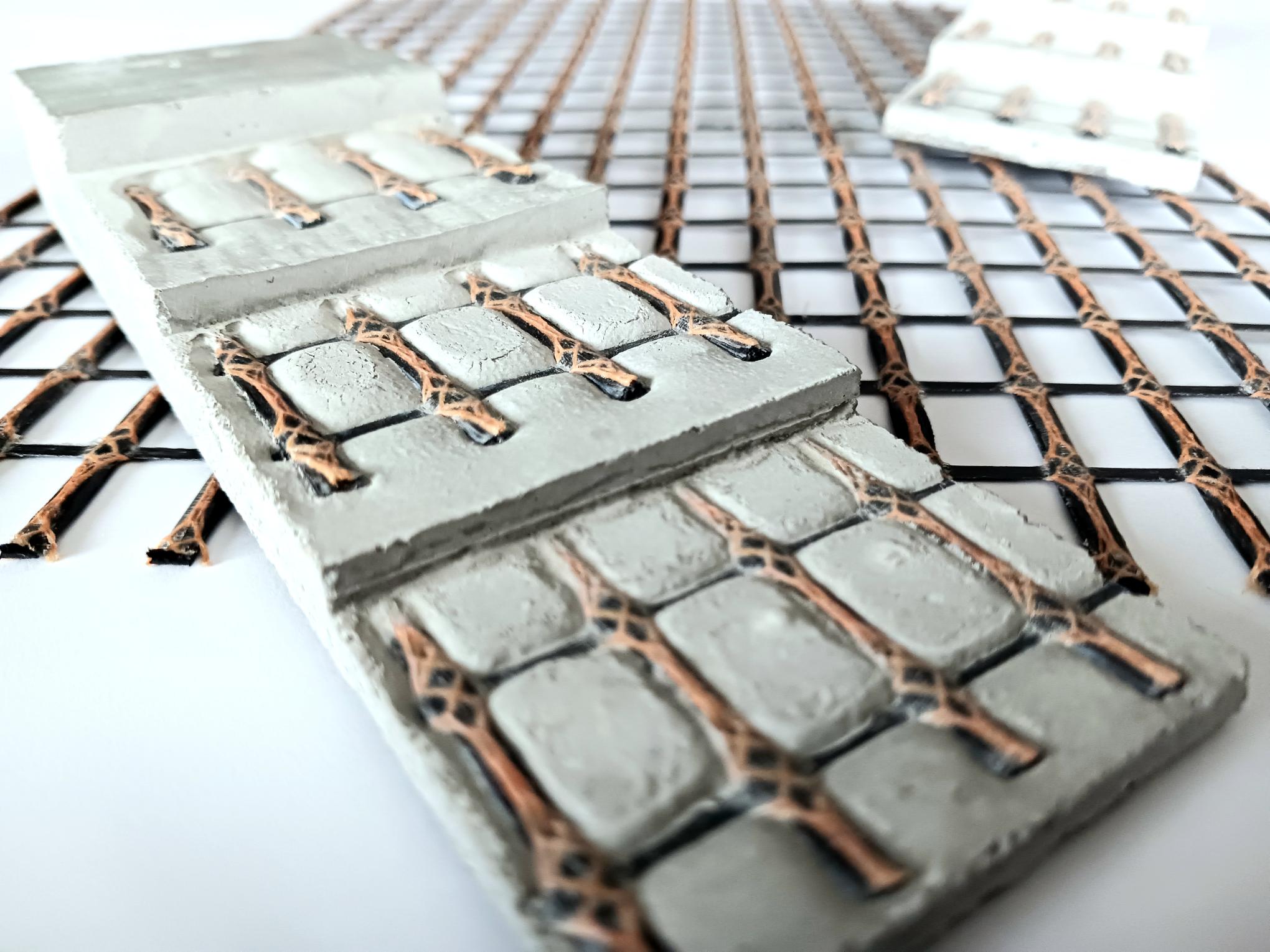
CARBOrefit® is a kit for strengthening reinforced concrete components with carbon concrete. A layer of CARBOrefit®-fine-grained concrete is applied to the concrete surface of the reinforced concrete components to be reinforced using a hand lay-up or spraying process. The carbon grid reinforcement, e.g. the solidian GRID , is worked into this and another layer of fine concrete is applied by hand lay-up or spraying. This newly applied layer of fine concrete can serve as a final layer or as a carrier layer for a further layer of carbon grid. A maximum of 4 layers of carbon grid reinforcement may be used in this way.
The scope of use and application according to the approval extends to uniaxial bending reinforcements (warp or longitudinal direction of the carbon grids) on the surfaces prepared for the strengthening in the tensile zone of reinforced concrete components with predominantly static loads.
For further information we refer to the CARBOrefit® flyer which you can download here.
The solidian GRID carbon grid reinforcement can be used within the CARBOrefit® method for the following applications, among others:
- Strengthening – increasing the load-bearing capacity of the existing component
- Refurbishment – restoring the durability of the existing component
- Repair – restoring the original load-bearing capacity of the existing component
Fields of application include:
- Listed buildings and components
- Bridge construction
- Hydraulic structures
- Structural and civil engineering
All relevant documents (planner folder, information material, publications, etc.) have been compiled for the application of the CARBOrefit® method. The current version of all documents is available in the download area at www.carborefit.de or click here (most in German language only).
Do you want to design strengthening reinforcements with carbon concrete?
The design of CARBOrefit® projects is easily possible with software support using FRILO “B2 Reinforced Concrete Design”. Further information can be found here (only in German language available).
Tender documents for the CARBOrefit® process (sample texts) and for our solidian GRID as CARBOrefit® carbon grid reinforcement can be found at www.ausschreiben.de (only in German language).
- Performance Enhancement
- Handling and Logistics
- Compliance and Compatibility
- Application and Installation
- Durability and Resistance
- Sustainability and Environmental Impact
- Is solidian GRID suitable for replacing corroded steel reinforcement?
- How does solidian GRID contribute to system durability when used with mortars?
- Can solidian GRID conform to curved surfaces during installation?
- How does the weight of solidian GRID affect transportation and installation?
- Is there an Environmental Product Declaration available for solidian GRID and solidian REBAR?
- Has solidian GRID received official building approvals?
- With which types of binders is solidian GRID compatible?
- Is solidian GRID approved for use in standard concrete applications?
- What is the minimum thickness required for concrete layers using solidian GRID?
- Can solidian GRID be used to reinforce existing concrete structures?
- What is the expected lifespan of solidian GRID in wastewater applications?
- How does solidian GRID perform in acidic environments?
- How does solidian GRID contribute to sustainable construction?
- Resource efficiency: By minimizing the need for extra concrete cover, solidian GRID conserves materials such as cement and aggregates, contributing to resource efficiency.
- Environmental Product Declarations (EPDs): solidian provides transparent data on the environmental impact of their products through EPDs, facilitating informed decision-making for sustainable building projects.
Solidian Kelteks - Reduced CO₂ emissions: The use of solidian GRID in construction can lead to significant reductions in CO₂ emissions due to decreased material usage and enhanced durability, which extends the lifespan of structures and reduces the need for repairs.
frequently asked questions
Yes, in cases where steel reinforcement has corroded, solidian GRID can serve as a substitute for structural reinforcement. The existing corroded steel can remain in place and be covered with a new layer of carbon-reinforced mortar, restoring structural integrity.
When combined with high-quality mortars, solidian GRID significantly enhances the overall durability of the system, providing a robust solution for demanding environments.
Yes, solidian GRID strikes a balance between stiffness and flexibility, allowing it to be applied to curved surfaces with diameters greater than 800mm.
The lightweight nature of solidian GRID facilitates easy transportation, even through sewage tunnels, and simplifies the installation process, reducing labor and equipment requirements.
Yes, a certified Environmental Product Declaration (EPD) is available for both solidian GRID and solidian REBAR. The EPD provides transparent and verified information about the environmental impact of these products throughout their life cycle, supporting sustainability assessments in construction projects.
Yes, solidian GRID has obtained the General Building Approval (abZ) from the German Institute for Building Technology (DIBt). This approval authorizes its use as carbon reinforcement grids in construction, ensuring compliance with national building standards.
solidian GRID is versatile and works with a range of binders, including Portland Cement, Calcium Aluminate Cements, and Geopolymer Cements.
solidian GRID holds German Approval as reinforcement for EN 206 concretes, supporting its compatibility with various mortar systems, including those adhering to DIN 19573.
Concrete layers reinforced with solidian GRID can be as thin as 20mm, as no additional concrete cover is needed to protect the reinforcement from corrosion.
Yes, solidian GRID can be applied as an additional layer over existing steel-reinforced concrete. When combined with solidian ANTICRACK, it offers enhanced crack-limiting properties, providing extra protection to the underlying steel reinforcement.
Classified under XWW4, solidian GRID ensures long-term performance for over 50 years, making it a durable choice for long-term infrastructure projects.
solidian GRID is fully resistant to severe acidic conditions, including environments with pH levels as low as 0. It has successfully passed tests in accordance with DIN 19573 standards for pH 0 and pH 1.
solidian GRID enables the design of thinner concrete layers (greater than 20mm) without requiring additional concrete cover for reinforcement protection. This reduction in material usage leads to lower resource consumption and a diminished environmental footprint, supporting more sustainable construction practices.
Additional information: